
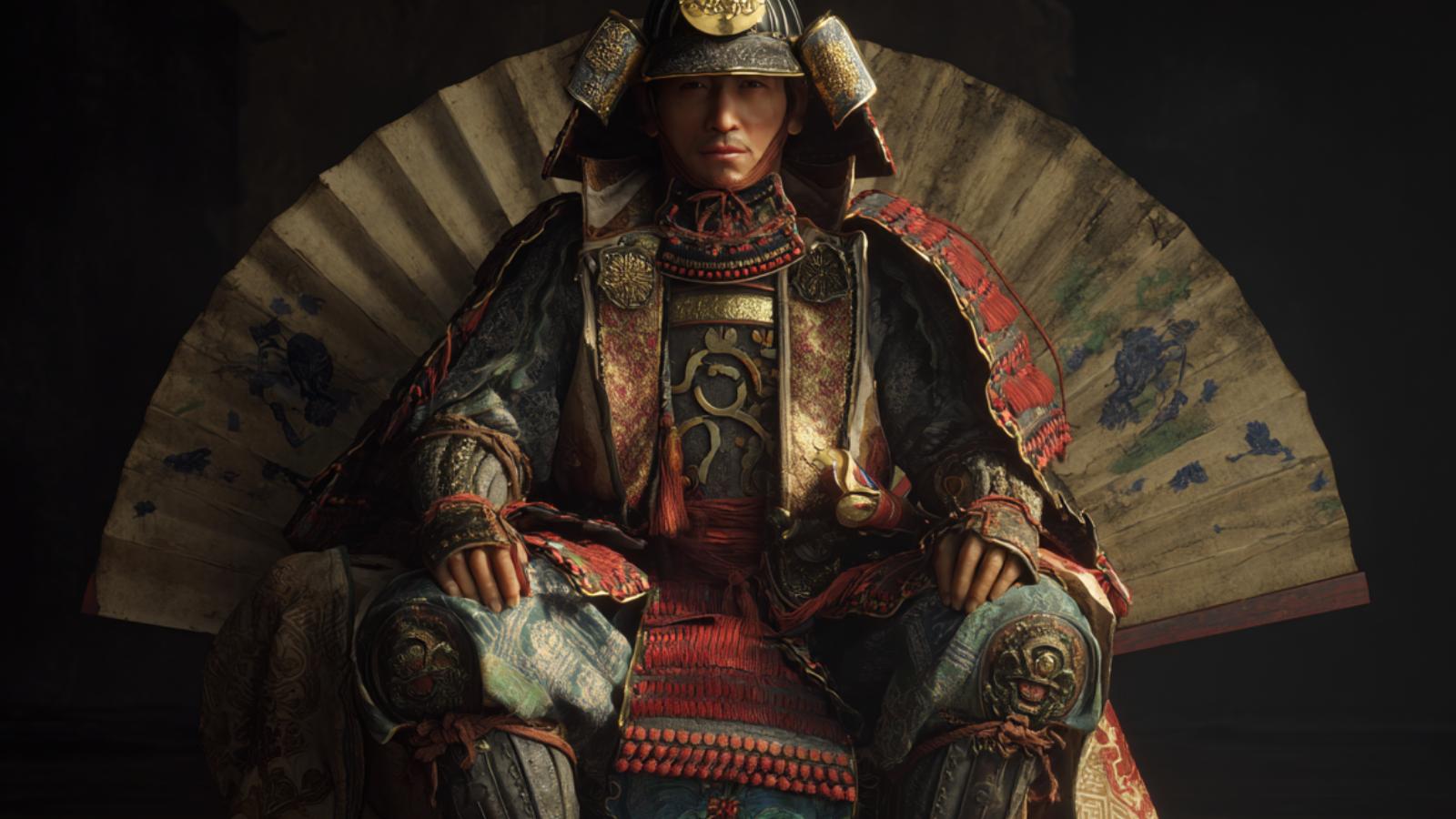
“武士の道は、忠義と名誉に満ちている。”
— The way of the warrior is filled with loyalty and honor.

| Lead 統率 |
Valor 武勇 |
Intel 知略 |
Pol 政治 |
|---|---|---|---|
| 75 | 70 | 65 | 60 |
| Name (JP) | 永井 直勝 |
|---|---|
| Title | Daimyo |
| Clan / Force | Tokugawa Clan |
| Era | 1545 – 1620 |
| Origin | Mutsu |
| Key Battles | |
| Arts | Noh Theater |
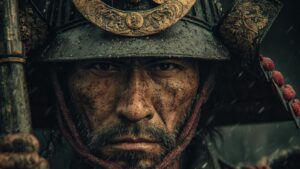
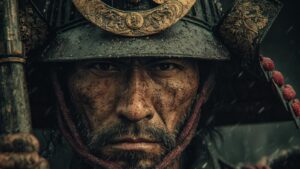
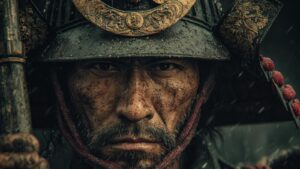
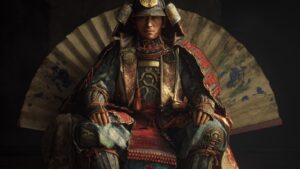
About Nagai Naokatsu
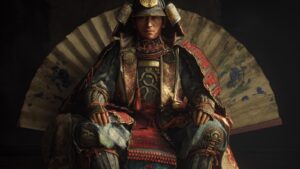
He was born into a samurai family, and from a young age, he was trained in the art of war and the way of the sword.
Throughout his childhood, Naokatsu was exposed to the realities of warfare and the expectations of being a samurai, which instilled in him a strong sense of duty and honor.
As he matured, Naokatsu served under several daimyo, gradually gaining a reputation for his skill and loyalty.
His abilities caught the eye of the powerful Date clan, which he would later serve with distinction.
Over the years, Naokatsu rose to the rank of daimyo himself, becoming a key player in the political landscape of Mutsu.
His leadership style was marked by pragmatic decisions, and he earned a reputation as a capable general who could lead his troops to victory despite challenging circumstances.
Nagai Naokatsu participated in numerous throughout his life, many of which were pivotal in shaping the history of the region.
His strategic acumen was displayed during the campaigns against rival clans, where he demonstrated not only bravery on the battlefield but also a deep understanding of troop movements and logistics.
Even though he faced adversaries with superior resources and numbers, his tactical intelligence often led to favorable outcomes for his forces.
Naokatsus valor during pivotal assaults solidified his standing among his peers and laid the foundation for his as a respected leader.
Nagai Naokatsu passed away in 1620, leaving behind a lasting as a formidable samurai and a respected leader.
While he may not have reached the legendary status of figures such as Oda Nobunaga, his contributions to the samurai culture and the stability of the region were significant.
He is remembered as a symbol of loyalty and honor, and his teachings continue to inspire samurai and enthusiasts of Japanese history to this day.
comment