
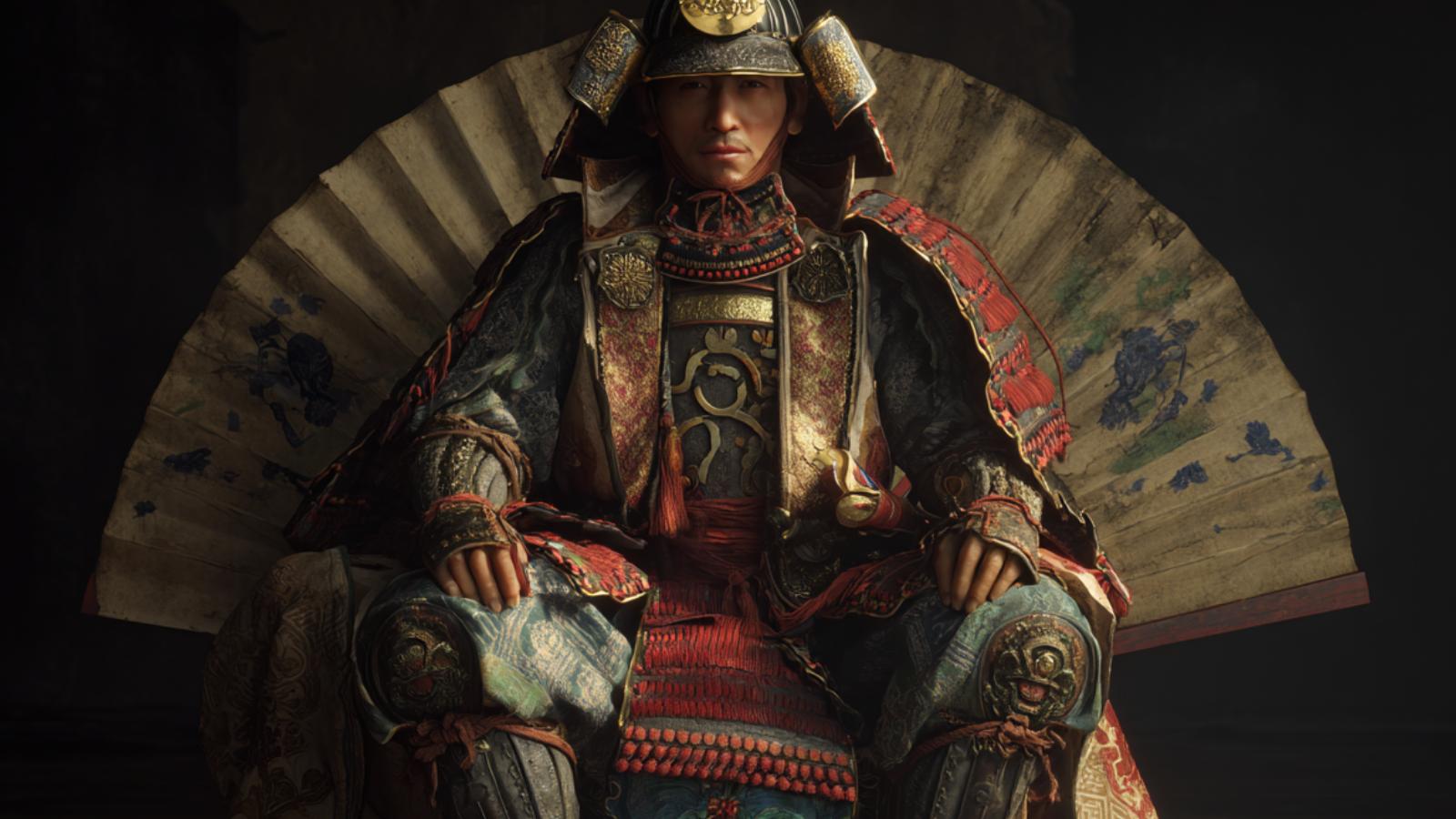
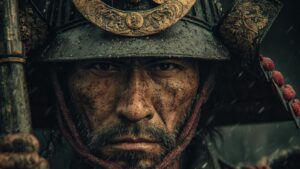
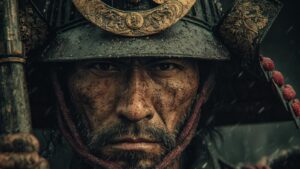
“戦は名誉のためにある。”
— War exists for the sake of honor.

| Lead 統率 |
Valor 武勇 |
Intel 知略 |
Pol 政治 |
|---|---|---|---|
| 85 | 70 | 80 | 75 |
| Name (JP) | 鍋島 直茂 |
|---|---|
| Title | Daimyo |
| Clan / Force | Nabeshima Clan |
| Era | 1561 – 1619 |
| Origin | Hizen |
| Key Battles | |
| Arts | Tea Ceremony |
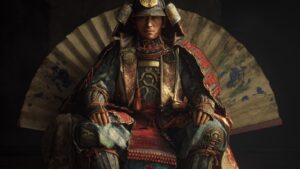
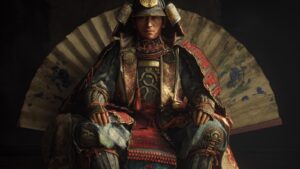
About Nabeshima Naoshige
Being a member of a samurai lineage, Naoshige was groomed for leadership from an early age.
His upbringing was deeply influenced by the tumultuous environment of the Sengoku period, where samurai were both warriors and strategists.
Raised in a culture that valued honor and military prowess, he developed skills that would later define his .
As he matured, Naoshige took command of the Nabeshima clan upon the death of his father.
Under his leadership, the clan became a vital ally to the powerful Toyotomi Hideyoshi, which enabled him to assert his influence in the Hizen province.
His reputation for sound governance and military strategy soon attracted attention, as he successfully navigated political alliances and rivalries.
Notably, he played a significant role in the Kyushu Campaign, helping to secure Toyotomi’s hold over the southern regions of Japan.
Nabeshima Naoshige distinguished himself in various where he showcased his tactical acumen.
Though less renowned for his individual combat compared to other figures, his ability to command troops effectively was evident in against rival clans like the Shimazu.
His strategic use of terrain and formations often led to decisive victories, earning him respect among his peers and adversaries alike.
His includes the integration of various groups within Hizen under his rule, a testament to his diplomatic skills.
Naoshiges contributions to the unification of Japan and the of the Toyotomi clan solidified his status as a notable daimyo.
After the death of Hideyoshi, he continued to maintain his influence during the ensuing conflict of the Tokugawa period.
His descendants carried on the Nabeshima name, which remained significant in Japanese history.
Nabeshima Naoshige is remembered as a man whose leadership and diplomacy helped shape the political landscape of early modern Japan, blending martial strength with strategic governance.
His emphasis on honor and loyalty in warfare resonates in Japanese culture to this day.
comment