
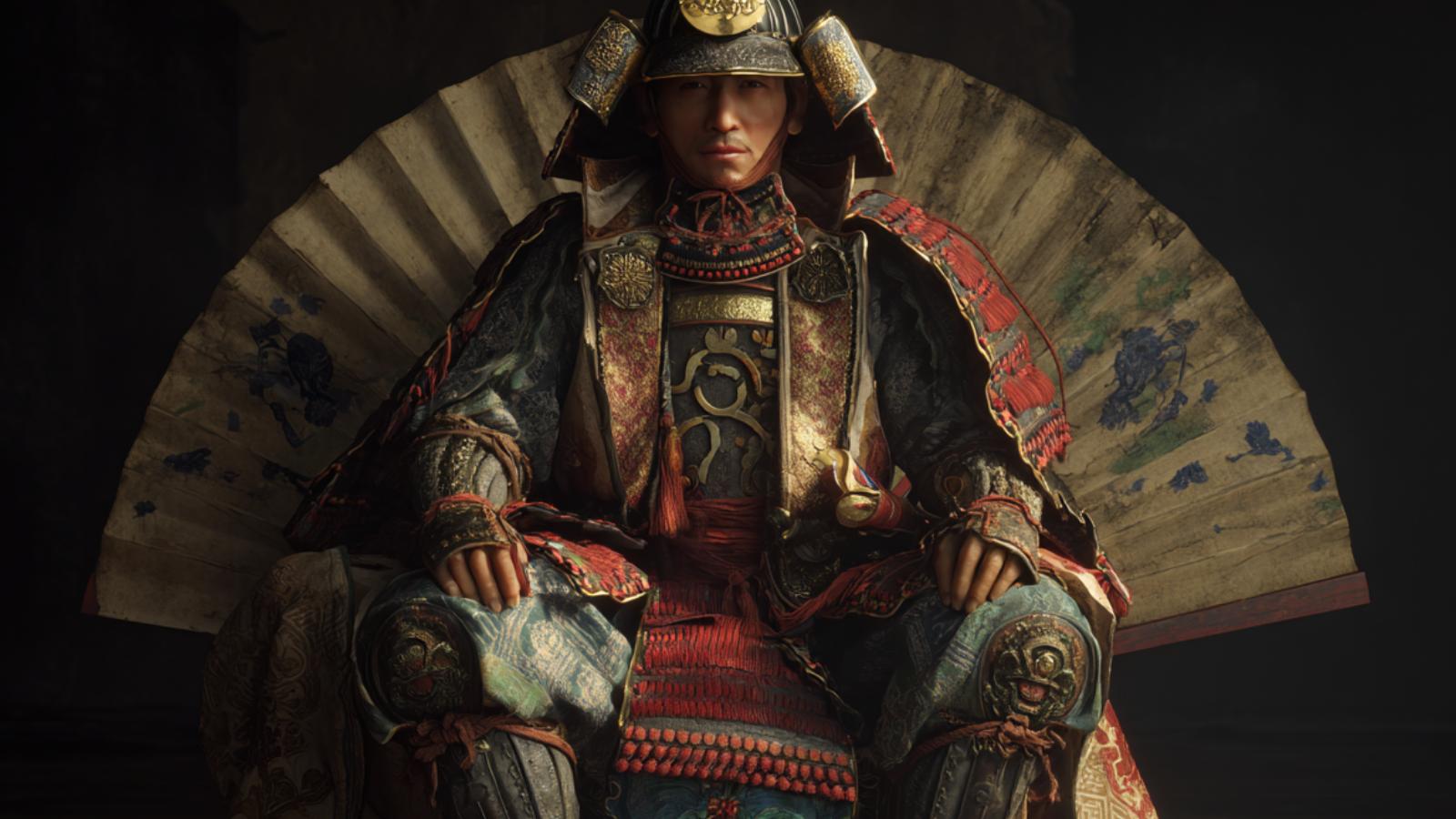
“己の力を信じ、常に前進せよ。”
— Trust in your own strength and always move forward.

| Lead 統率 |
Valor 武勇 |
Intel 知略 |
Pol 政治 |
|---|---|---|---|
| 85 | 70 | 80 | 78 |
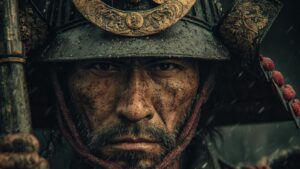
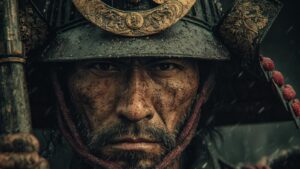
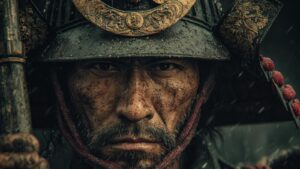
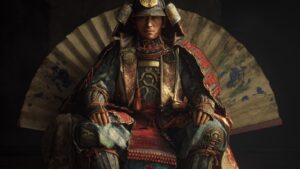
| Name (JP) | 鍋島 勝茂 |
|---|---|
| Title | Daimyo |
| Clan / Force | Nabeshima Clan |
| Era | 1567 – 1638 |
| Origin | Hizen |
| Key Battles | |
| Arts | Noh Theater |
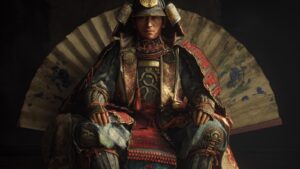
About Nabeshima Katsushige
From a young age, he was immersed in the arts of governance, military strategy, and the cultural practices of the samurai class.
His upbringing in a powerful clan allowed him access to the teachings of great strategists of the age, shaping his future endeavors as a leader.
Katsushiges ascension to power was marked by the significant role his clan played in supporting Toyotomi Hideyoshi during the unification of Japan.
His ability to navigate the tumultuous political landscape earned him respect and recognition among his peers.
Following the death of Hideyoshi, Katsushige skillfully aligned himself with Tokugawa Ieyasu, securing his position as a trusted ally and daimyo.
His diplomatic skills and military prowess during the transition from the Sengoku period to the Edo period solidified his among the samurai class.
Throughout his career, Katsushige participated in various campaigns, demonstrating his tactical sense in numerous .
He led his forces effectively during the Siege of Fushimi Castle and contributed to key strategies in the larger conflicts of the era.
While he was not primarily known for personal combat, his leadership ensured that his retainers performed valiantly, showcasing his ability to inspire and command comrades rather than just his own skill in battle.
Katsushiges is marked by his contributions to governance and the arts.
He was known for advancing culture in his province, particularly in Noh theater, which flourished under his support.
His reign as daimyo of Hizen left a lasting impact, demonstrating how effective leadership combined with cultural patronage can shape a region.
Although he passed away in 1638, his influence and the strength of his lineage continued to resonate in Japanese history, cementing his reputation as a significant figure in the Edo period.
comment