
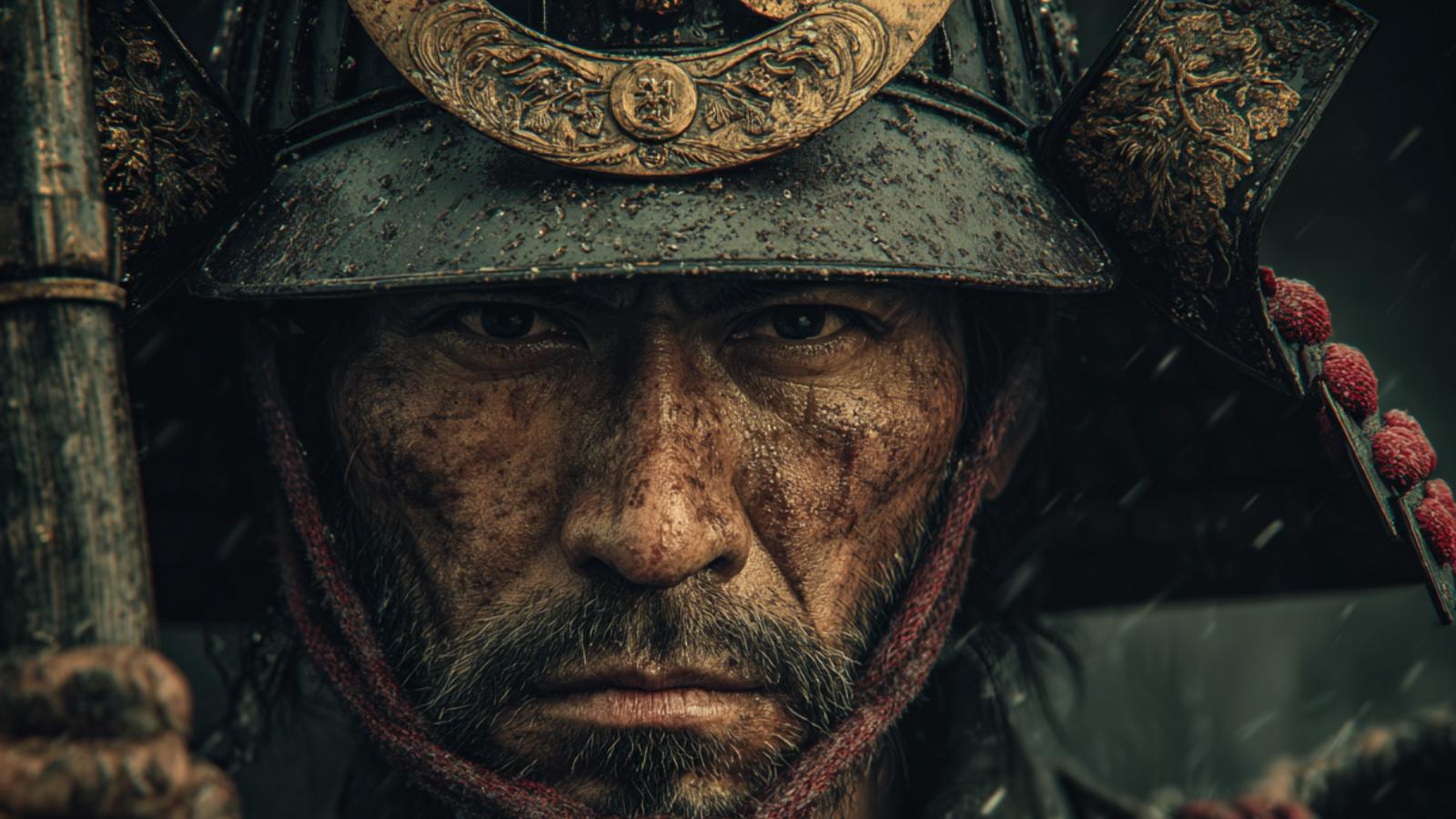
“剣の道は心の道である。”
— The path of the sword is the path of the heart.

| Lead 統率 |
Valor 武勇 |
Intel 知略 |
Pol 政治 |
|---|---|---|---|
| 68 | 72 | 75 | 60 |
| Name (JP) | 妙玖 |
|---|---|
| Title | Samurai |
| Clan / Force | Unknown |
| Era | 1570 – 1636 |
| Origin | Ise |
| Key Battles | |
| Arts | Martial Arts |
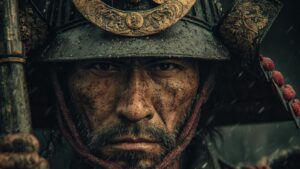
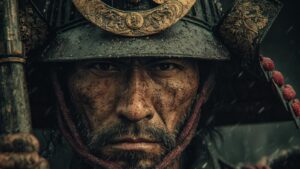
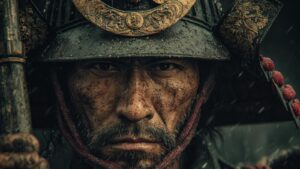
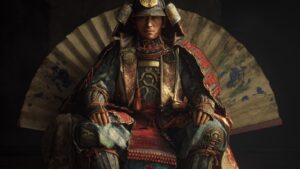
About Myokyu
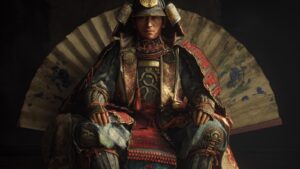
His early training in martial arts led him to emthe warrior spirit of the time, pushing him towards a life of service and loyalty to his lord.
As Japan transitioned from the chaos of the Sengoku period, Myokyu rose to prominence under the banner of influential daimyos.
His strategic acumen began to shine during various engagements as he learned to lead smaller units effectively in skirmishes round the Ise region.
Although he did not achieve the legendary status of some contemporaries, he gained respect for his dedication to military honor and governance.
Myokyu fought in several notable throughout his career.
Notably, he participated in the defensive campaigns against invading clans during the late 1580s and early 1590s.
His ability to inspire loyalty among his men and his tactical maneuvers were crucial in several victories, solidifying his reputation among peers and within his territory.
However, as the central power of the Tokugawa shogunate solidified, the role of many samurai became more administrative, which Myokyu adapted to well.
Myokyu passed away in 1636, leaving behind a as a capable samurai who balanced the arts of war and governance during a transformative period in Japanese history.
He is often remembered for emphasizing the samurai code as a means to nurture future generations of warriors in esteem and honor.
comment