
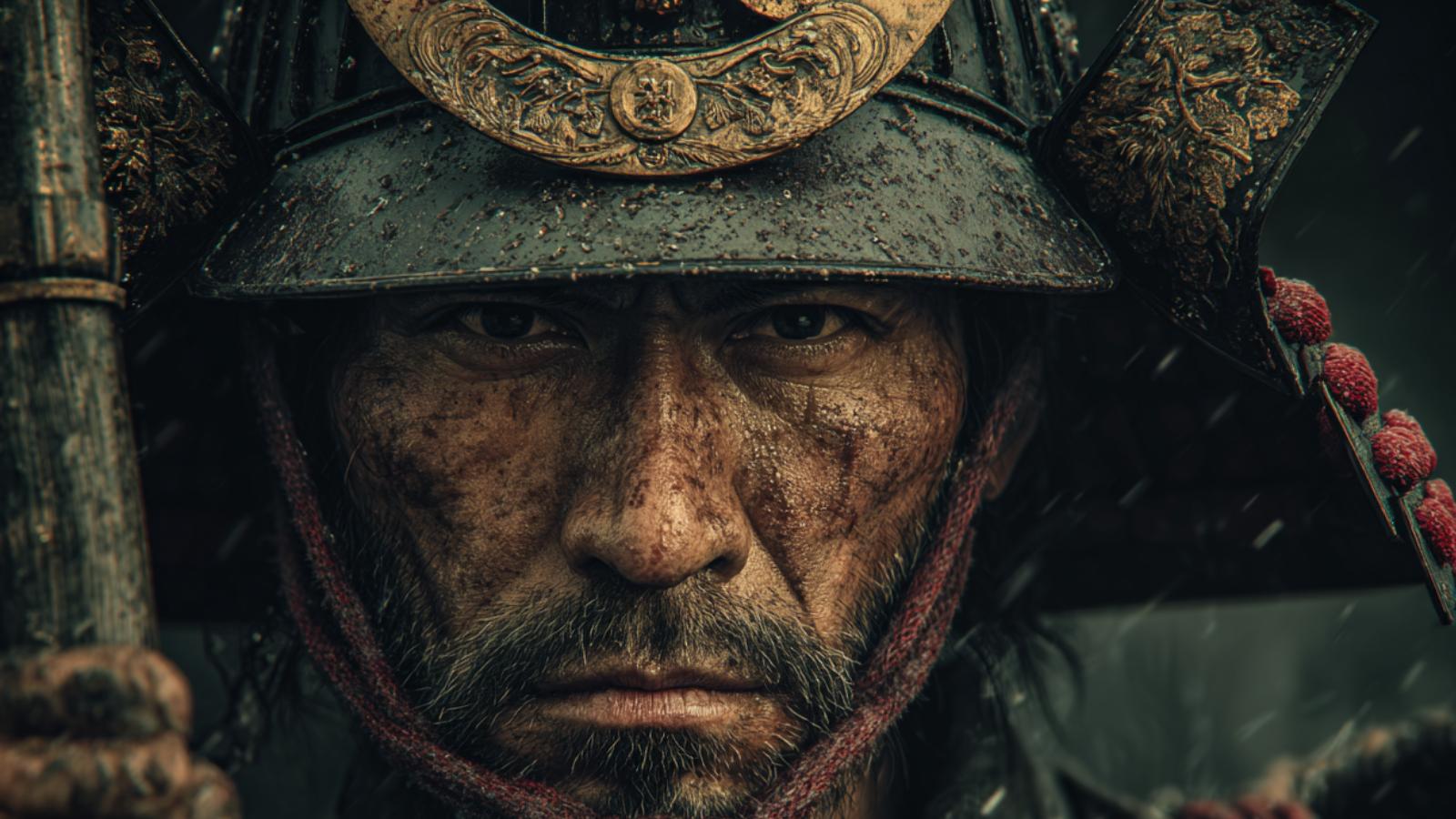
“武士は常に自らを鍛錬する。”
— A warrior must always refine himself.

| Lead 統率 |
Valor 武勇 |
Intel 知略 |
Pol 政治 |
|---|---|---|---|
| 68 | 75 | 72 | 65 |
| Name (JP) | 村田 珠光 |
|---|---|
| Title | Samurai |
| Clan / Force | Unknown |
| Era | 1580 – 1640 |
| Origin | Sakai |
| Key Battles | |
| Arts | Calligraphy |
About Murata Juko
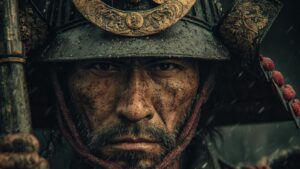
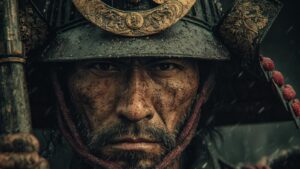
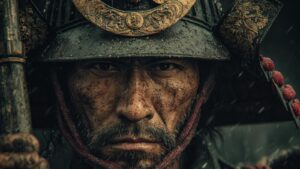
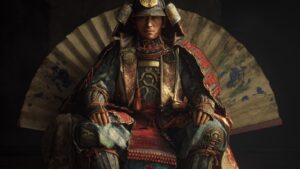
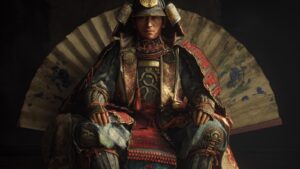
He emerged from a family of bushi, cultivating the ideals of bushido from a young age.
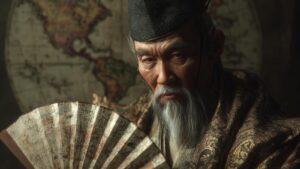
Jukos early training focused not only on martial prowess but also on the cultural aspects of being a samurai, particularly in the art of calligraphy.
His family valued both combat skills and artistic expression, leading to a well-rounded upbringing.
As Juko grew into adulthood, he began to establish his reputation as a capable warrior.
His leadership skills were evident during minor skirmishes as well as during larger, where he displayed a knack for strategy and teamwork.
Although he never commanded a vast army like some of his contemporaries, his understanding of troop movements and battlefield strategy earned him respect among his peers.
Throughout the late 16th and early 17th centuries, Juko participated in several during Japans tumultuous Sengoku period.
His most notable engagement was during the Battle of Sekigahara.
Here, he showed great valor and combat prowess fighting for his lord, contributing to his clans efforts in securing their power.
Despite the chaos of the battlefield, Jukos ability to remain calm under pressure made him a valuable asset in combat.
Murata Juko passed away in 1640, leaving behind a as a skilled samurai not only in combat but also as a patron of the arts.
His dedication to the way of the warrior and the refinement of the self through both martial and artistic practices inspired many samurai who came after him.
Through his contributions, Juko helped shape a generation that valued the duality of skill in both swordsmanship and the arts.
comment