
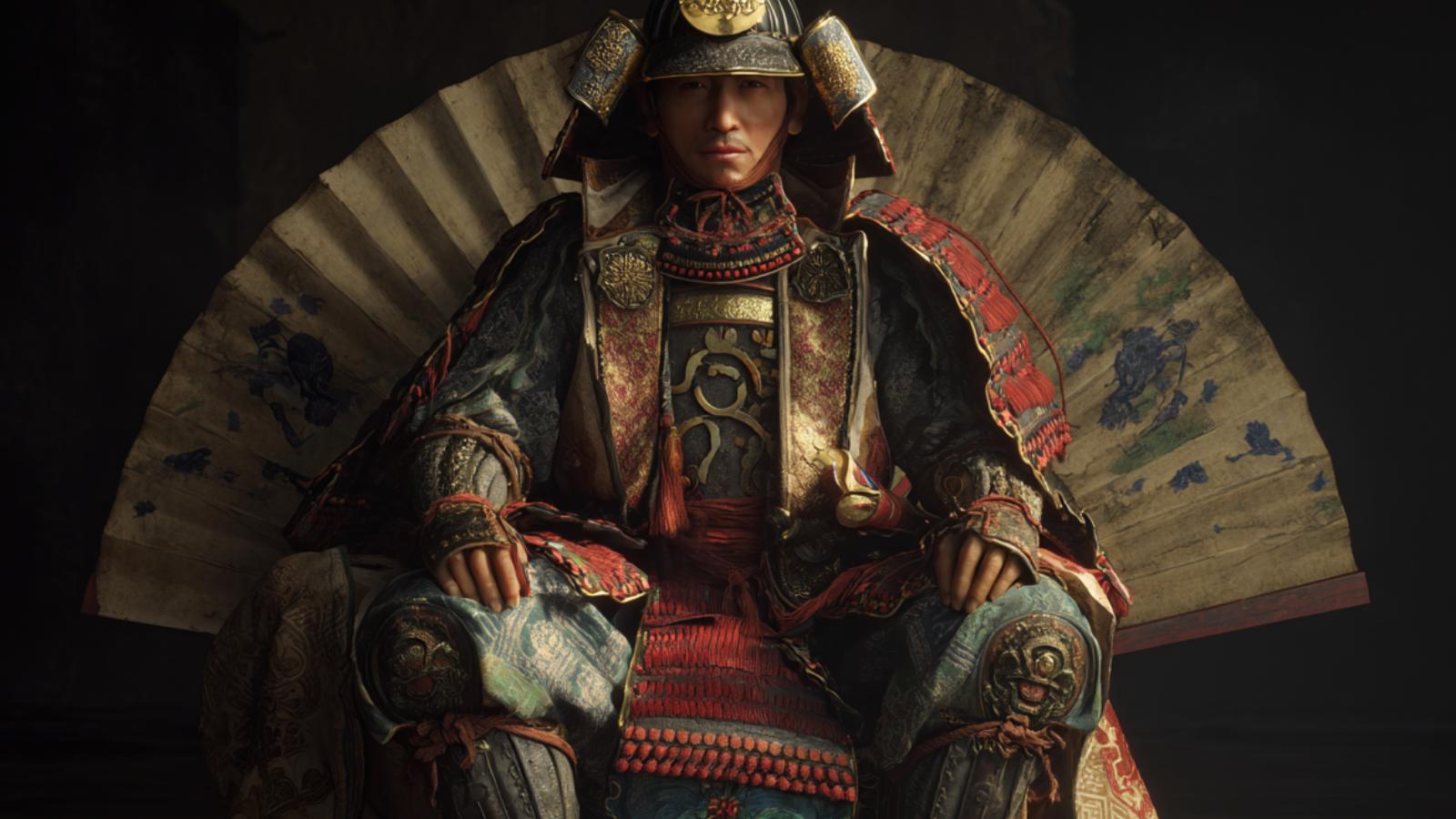
“勝者が歴史を作るが、真の豪傑は記憶される。”
— The victor writes history, but a true hero is remembered.

| Lead 統率 |
Valor 武勇 |
Intel 知略 |
Pol 政治 |
|---|---|---|---|
| 75 | 70 | 80 | 60 |
| Name (JP) | 村上 義清 |
|---|---|
| Title | Daimyo |
| Clan / Force | Minamoto Clan |
| Era | 1545 – 1603 |
| Origin | Bizen |
| Key Battles | |
| Arts | Martial Arts |
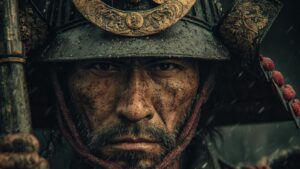
About Murakami Yoshikiyo
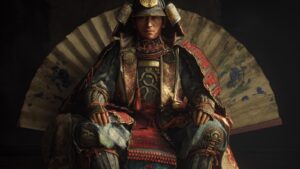
He was the son of a minor lord and thus was raised in a warrior environment that emphasized martial prowess and strategy from an early age.
His childhood was shaped by the turbulent times of the Sengoku period, where power struggles and were commonplace.
This early exposure to the limitations and potential of samurai life instilled in him both ambition and a desire to excel in leadership.
As he moved into adulthood, Yoshikiyo consolidated his power by forming alliances with other local daimyos.
His strategic mindset, combined with military skill, allowed him to take control of several key territories in Bizen.
Throughout the 1570s, he participated in various campaigns, demonstrating his abilities and earning respect among his peers.
He became known for his tactical effectiveness during, as well as his understanding of diplomacy that kept his allies close and enemies at bay.
Murakami Yoshikiyo fought in numerous skirmishes and larger throughout his life, particularly against rival clans in the Bizen region.
His most notable achievement came during the Siege of Takamatsu in 1582 when he led a contingent of troops that played a crucial role in the defense of the castle.
His strategies often involved calculated assaults and carefully laid ambushes, showcasing his ability to outmaneuver opponents with limited resources.
Despite facing setbacks, he maintained a reputation as a capable and brave warrior.
Yoshikiyos extends beyond his military endeavors.
He is remembered for his commitment to the principles of bushido and the martial arts, and for fostering a culture of honor among his retainers.
Although he died in 1603, his contributions to his province and the samurai culture left an enduring mark.
Today, he is recognized as a respected figure in the history of the Sengoku period, a testament to the resilience and resourcefulness of samurai leadership.
His life reflects the complex interplay of warfare, loyalty, and governance that characterized this pivotal era in Japanese history.
comment