
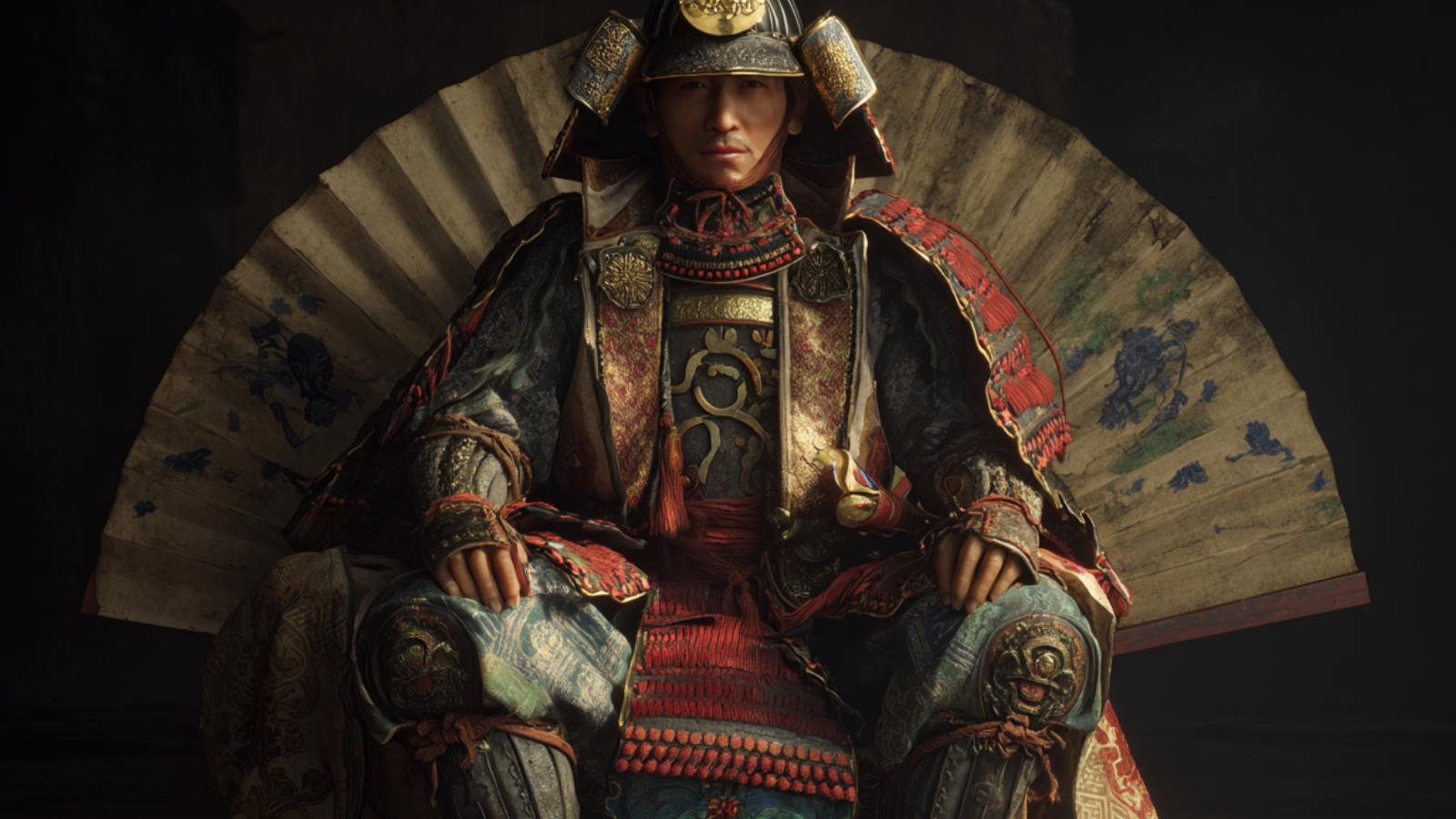
“武士は常に誇りを持ち、剣を持って前に進むべし。”
— A warrior must always hold pride and forge ahead with sword in hand.

| Lead 統率 |
Valor 武勇 |
Intel 知略 |
Pol 政治 |
|---|---|---|---|
| 72 | 68 | 75 | 67 |
| Name (JP) | 村上 武富 |
|---|---|
| Title | Daimyo |
| Clan / Force | Unknown |
| Era | 1560 – 1625 |
| Origin | Shimane |
| Key Battles | |
| Arts | Poetry |
About Murakami Taketomi
He was born into the Murakami clan, which had significant influence in the region as Shugo (military governors).
From a young age, Taketomi was trained in the arts of war and governance, learning the ways of the samurai., As he matured, Taketomi rapidly established himself as a skilled leader and competent military strategist.
He took advantage of the ongoing conflict among the various factions in Japan to expand his influence in Shimane.
His ability to assemble and lead troops effectively earned him a reputation among neighboring clans.
By the early 1580s, he had n to daimyo, commanding respect and loyalty from his vassals and allies alike., Taketomi participated in several notable throughout his career.
His leadership was particularly evident during conflicts against rival clans vying for power over Shimane.
He utilized both direct combat and cunning tactics to outsmart his opponents, which led to several victories that solidified his standing in the region.
His valor on the battlefield was matched by his intellect, as he often employed strategic groundwork to ensure the success of his initiatives., Murakami Taketomi’s is marked by his contributions to the stability and governance of Shimane during a time of unrest.
His emphasis on strategy and diplomacy helped foster a degree of peace in his domain that many other regions lacked.
He died in 1625, leaving behind a rich that would influence future generations of samurai and leaders in the area.









comment