
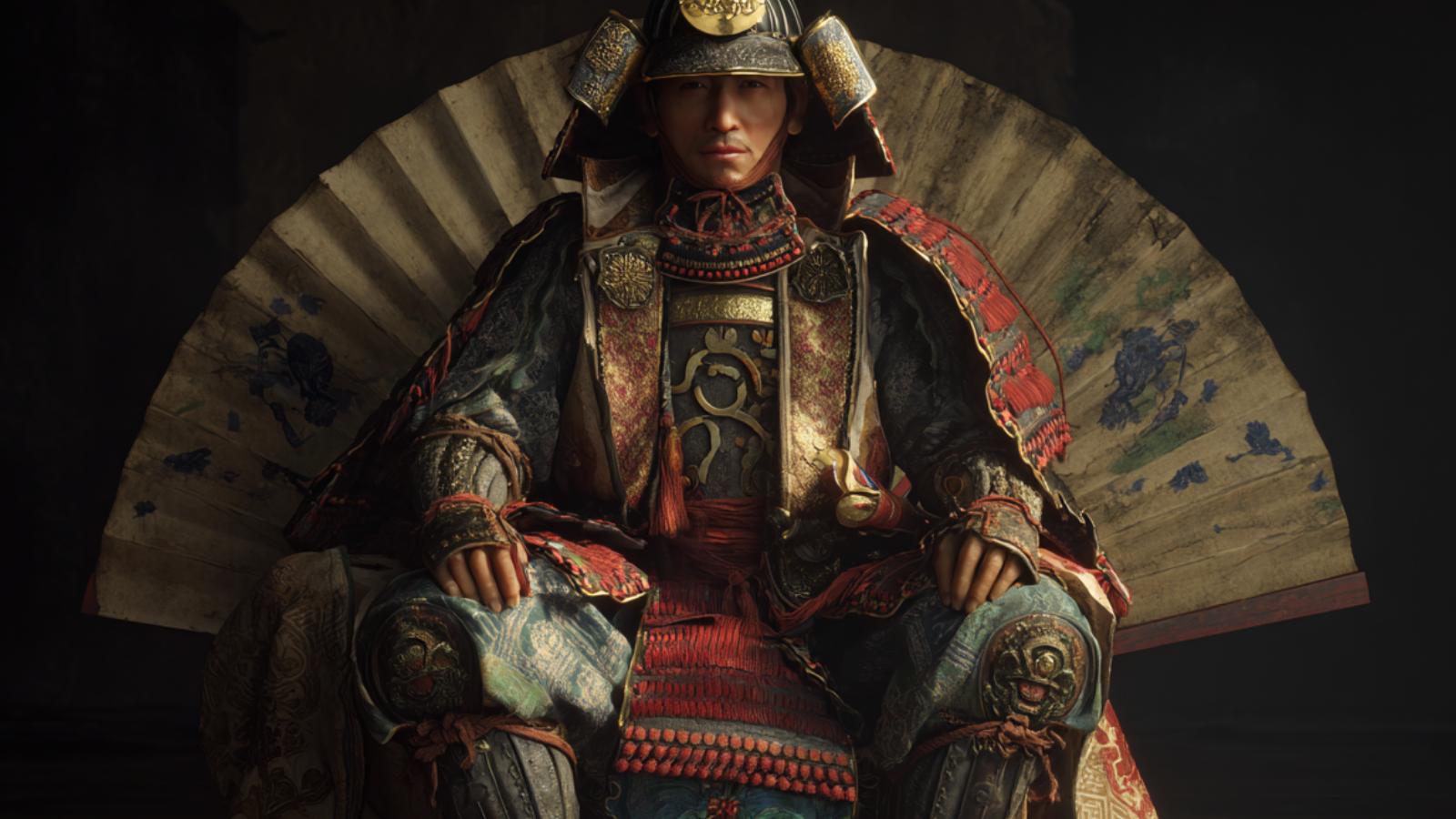
“戦は心、信は勝ちを呼ぶ。”
— War is heart, faith summons victory.

| Lead 統率 |
Valor 武勇 |
Intel 知略 |
Pol 政治 |
|---|---|---|---|
| 70 | 75 | 68 | 64 |
| Name (JP) | 村井 長頼 |
|---|---|
| Title | Daimyo |
| Clan / Force | Unknown |
| Era | 1541 – 1622 |
| Origin | Shinano |
| Key Battles | |
| Arts | Calligraphy |
About Murai Nagayori
Coming from a samurai lineage, he was introduced to the ways of the sword and governance at an early age.
Growing up during the tumultuous Sengoku period, Nagayori learned the importance of strategy, loyalty, and the intricate politics of his time.
As a youth, he was mentored by his father, who instilled in him the values of honor and duty that characterized their samurai clan.
Nagayoris ascent to prominence began in the late 1550s when he participated in several key .
His leadership skills became evident as he successfully commanded troops in regional conflicts, earning respect and recognition among his peers.
Despite being overshadowed by more prominent figures, he carved a niche for himself as a capable general, often acting as a solid support for the more renowned daimyōs.
His knack for forming alliances and enforcing order in his territory ultimately earned him the of daimyō, a testament to his growing influence in Shinano province.
Throughout his military career, Murai Nagayori engaged in numerous that showcased both his combat prowess and strategic acumen.
His ability to inspire troops and maintain a morale-boosting presence on the battlefield was crucial in ensuring victories against rival clans.
While he may not have achieved the legendary status of contemporaries like Oda Nobunaga or Toyotomi Hideyoshi, his deeds did secure him a favorable place in the annals of Japanese history as a loyal and brave samurai general.
His contributions during the conflicts of the late 16th century helped solidify his familys standing in the region.
Murai Nagayori passed away in 1622, leaving behind a marked by valor, loyalty, and effective governance.
His descendants continued to uphold the virtues he exemplified, contributing to their clans reputation in subsequent generations.
A lesser-known figure compared to other daimyōs of his time, his story reflects the experiences of samurai who played pivotal yet often unnoticed roles in shaping the tumultuous landscape of feudal Japan.









comment