
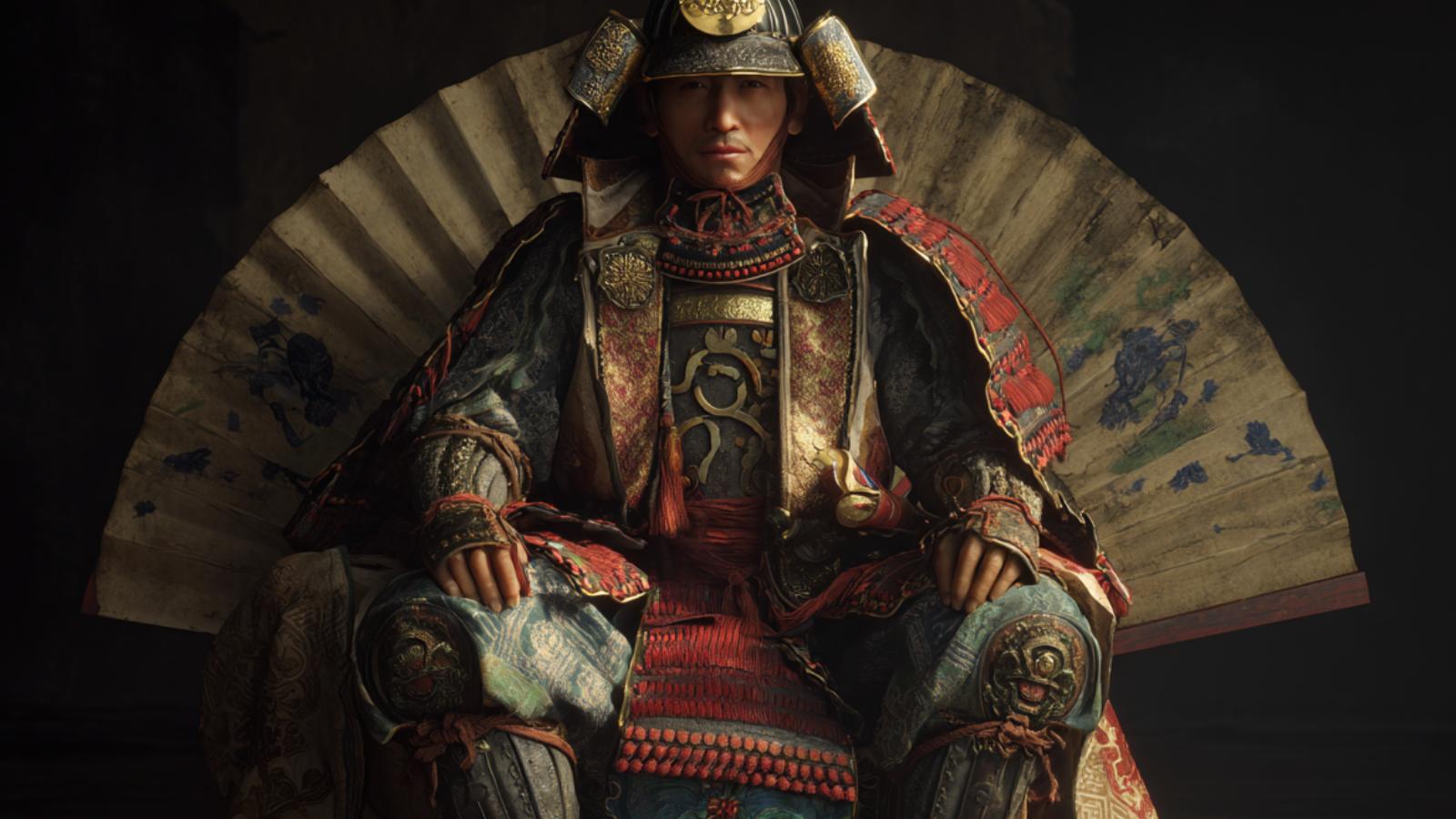
“武士の道は、譲れない。”
— The way of the samurai is one of non-compromise.

| Lead 統率 |
Valor 武勇 |
Intel 知略 |
Pol 政治 |
|---|---|---|---|
| 75 | 70 | 65 | 60 |
| Name (JP) | 本山 茂辰 |
|---|---|
| Title | Daimyo |
| Clan / Force | Uesugi Clan |
| Era | 1550 – 1621 |
| Origin | Kii |
| Key Battles | |
| Arts | Noh Theatre |
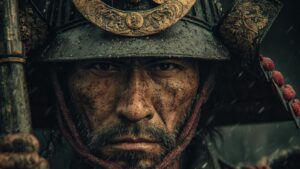
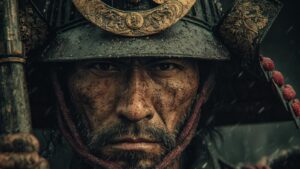
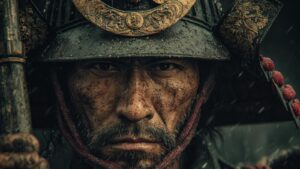
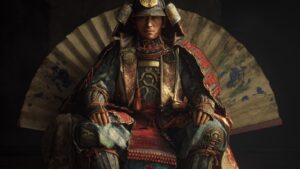
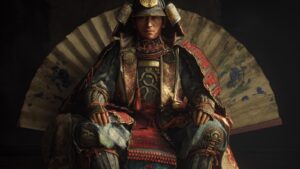
About Motoyama Shigetoki
Early in his life, he displayed an exceptional aptitude for military strategy and was later groomed for leadership in the turbulent times of the Sengoku period.
As a youth, Motoyama quickly gained recognition as a capable leader in the service of several powerful Daimyos.
His adeptness in warfare and defensive strategies allowed him to expand his territories and command trust from his peers.
He steadily climbed the ranks, eventually obtaining the of Daimyo.
During this time, he aligned himself with several alliances that helped him bolster his position against rival clans, showcasing his understanding of political dynamics at play in the Sengoku era.
Motoyama Shigetoki partook in several noteworthy, demonstrating considerable valor and tactical intelligence despite being greatly outnumbered on some occasions.
His combat prowess earned him respect among his samurai peers, although his leadership style was more calculated than aggressive.
He was known for making strategic retreats to preserve his forces for future engagements rather than engaging in futile conflicts, which earned him a reputation as a thinker in battle rather than a brash fighter.
Motoyama Shigetoki passed away in 1621, leaving behind a that emphasizes the importance of wisdom over brute strength in warfare.
His life serves as an example of the balance between strength in combat and intelligence in governance.
While not as renowned as legends like Oda Nobunaga or Tokugawa Ieyasu, he carved out a place for himself in the intricate tapestry of Japan’s feudal history.
His stance on battlefield strategy continues to be studied, making him a respected figure in samurai lore.
comment