“我が剣は影のごとく。”
— My sword is like a shadow.

| Lead 統率 |
Valor 武勇 |
Intel 知略 |
Pol 政治 |
|---|---|---|---|
| 70 | 75 | 68 | 55 |
| Name (JP) | 森 成利 (蘭丸) |
|---|---|
| Title | Samurai |
| Clan / Force | Mori Clan |
| Era | 1562 – 1582 |
| Origin | Harima |
| Key Battles | |
| Arts | Noh Theatre |
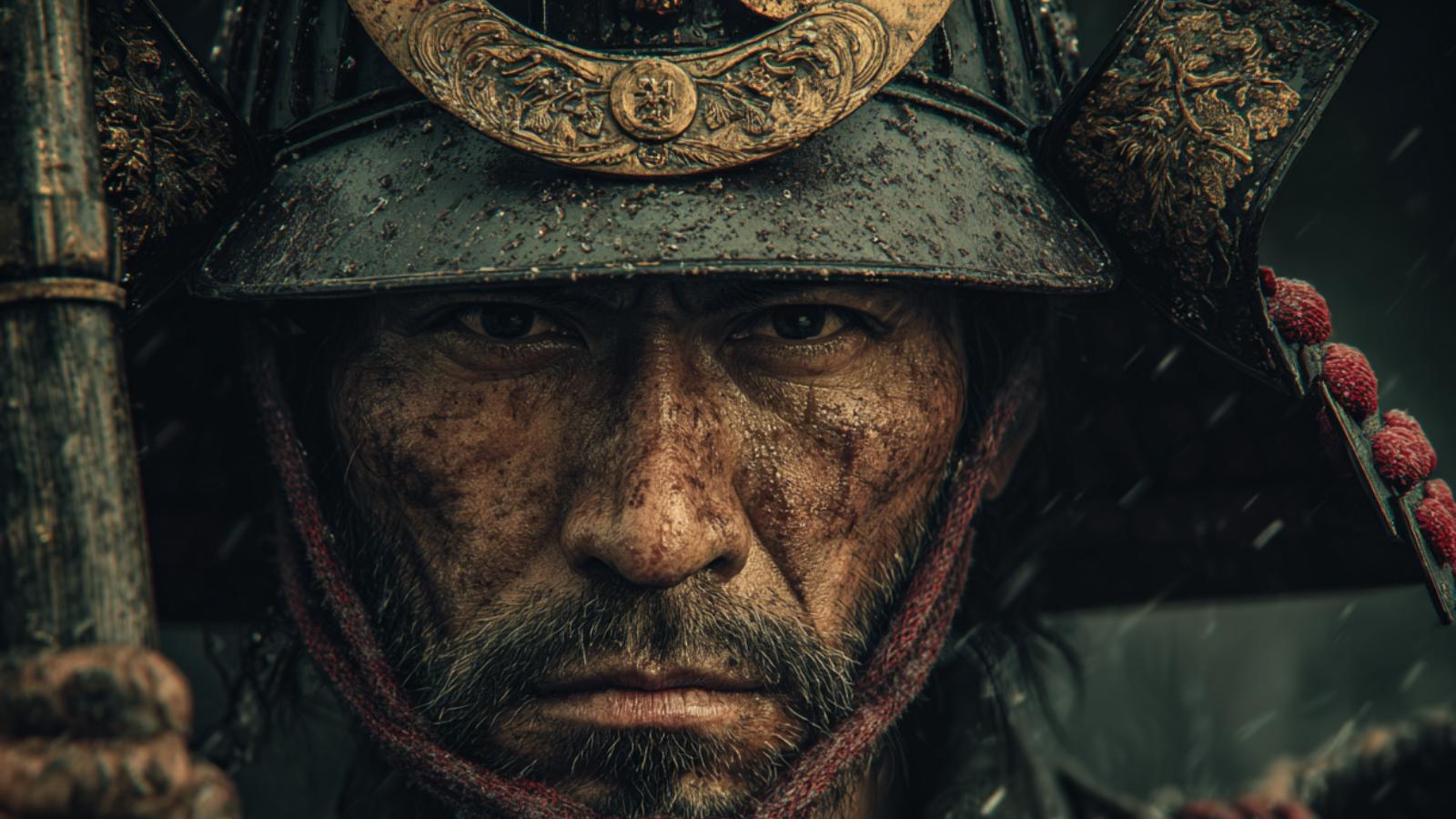
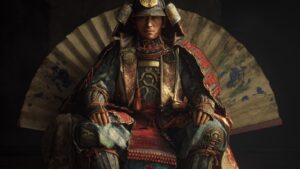
About Mori Naritoshi
A member of the shugo class, he was raised in a military household that emphasized martial skills and loyalty.
Details of his remain scarce, but it is known that he became a retainer to a prominent lord at a young age, showcasing his skills early on.
As a young samurai, Naritoshi quickly made a name for himself through acts of bravery on the battlefield.
He served during the tumultuous period of the Sengoku era, where his loyalty and fighting skills won him respect among his peers and superiors.
His ability to inspire those around him and lead small units in skirmishes showcased his potential as a leader, despite lacking the larger territorial power of his contemporaries.
Naritoshi participated in several key throughout the late 16th century.
His involvement in skirmishes against rival clans allowed him to hone his tactical skills and develop a keen understanding of battlefield dynamics.
While not a general of high renown, his bravery in personal combat earned him a solid reputation as a capable warrior with a quick mind.
His contributions notably supported his lord in maintaining control over their territories amid growing unrest.
Though Mori Naritoshi never reached the heights of historical legends, his endures through his commitment to the samurai code and the honor he upheld in service to his lord.
He became a symbol of loyalty, illustrating the ideals of a samurai during a time of strife.
His nickname, Ranmaru, has become synonymous with the qualities of bravery and dedication that defined not just his life, but the very spirit of the samurai ethos.
His story, filled with promise, serves as a reminder of the countless warriors who shaped Japan’s history, often overshadowed by the legends of greater figures.




comment