
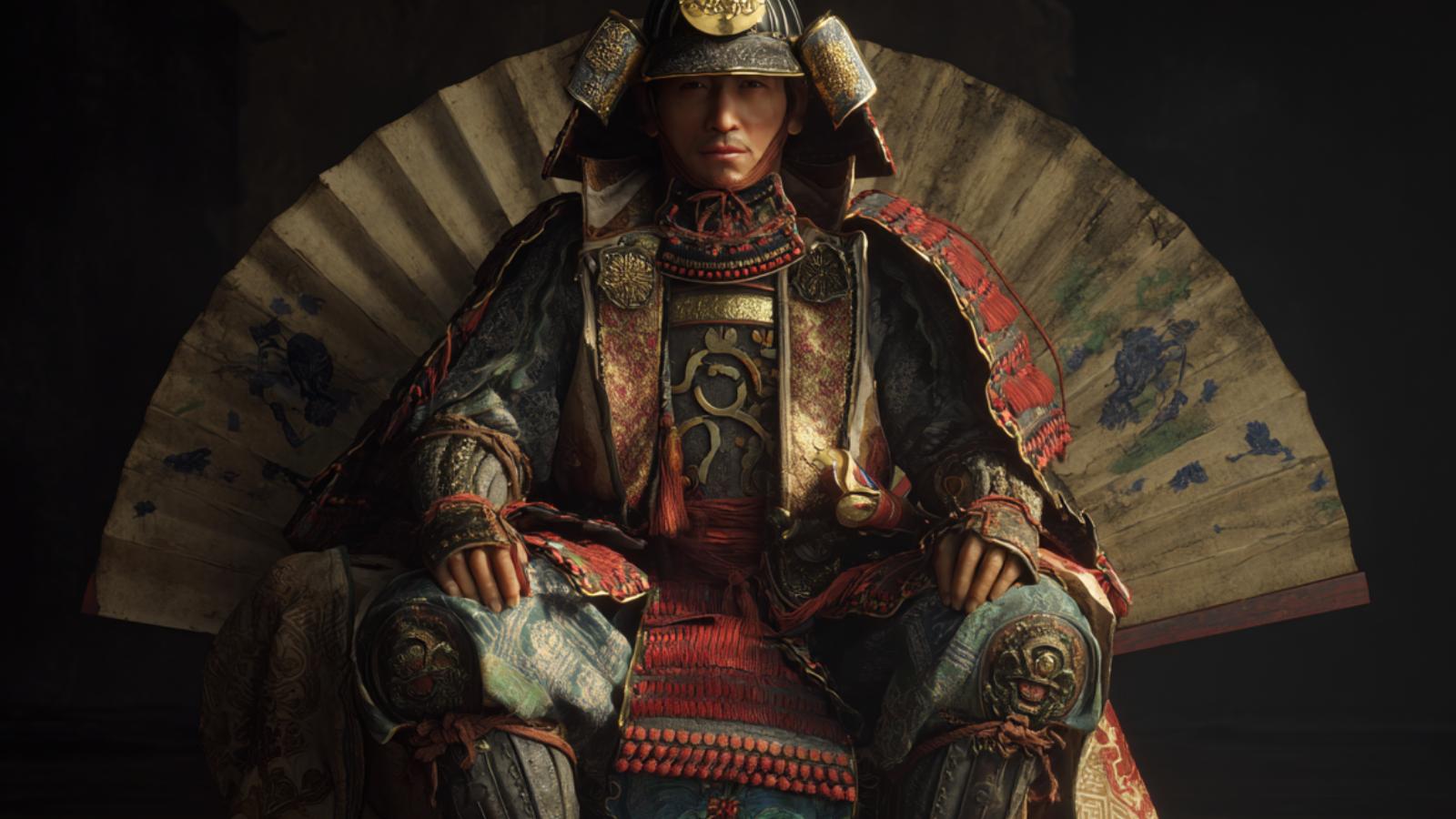
“武士は食わねど高楊枝”
— A samurai will not eat but will use a high toothpick.

| Lead 統率 |
Valor 武勇 |
Intel 知略 |
Pol 政治 |
|---|---|---|---|
| 75 | 70 | 65 | 60 |
| Name (JP) | 茂庭 綱元 |
|---|---|
| Title | Daimyo |
| Clan / Force | Nobunaga Clan |
| Era | 1545 – 1607 |
| Origin | Mutsu |
| Key Battles | |
| Arts | Calligraphy |
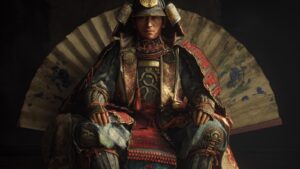
About Moniwa Tsunamoto
As a member of the Shugo class, he belonged to a line of regional warlords.
From an early age, Tsunamoto was exposed to the complexities of samurai culture and military duty.
His upbringing in a martial family prepared him for the tumultuous times he would face in his later years.
Tsunamoto’s began when he aligned himself with prominent warlords during the late Sengoku period.
Notably, he served under the powerful Date clan and contributed to their many campaigns in the region.
His valor and skills in leadership earned him recognition and respect among his peers, allowing him to secure the of daimyo.
Throughout his career, Tsunamoto participated in several key that defined the landscape of Japan during his time.
His tactical prowess shone during engagements that required difficult decisions on the battlefield.
Although not as renowned as some of his contemporaries, his involvement in warfare earned him a reputation as a capable general and as a strategist.
Moniwa Tsunamoto passed away in 1607, leaving behind a of loyalty and effective governance.
While he may not have been a legendary figure like some of his peers, his contributions to the regional power dynamics and his commitment to the samurai code are remembered.
His phrase, A samurai will not eat but will use a high toothpick, symbolizes the unwavering honor and dignity that defined his life and the lives of many samurai of his era.
His life story reflects the values of loyalty, honor, and strategic acumen in the complicated tapestry of Japans feudal history.




comment