
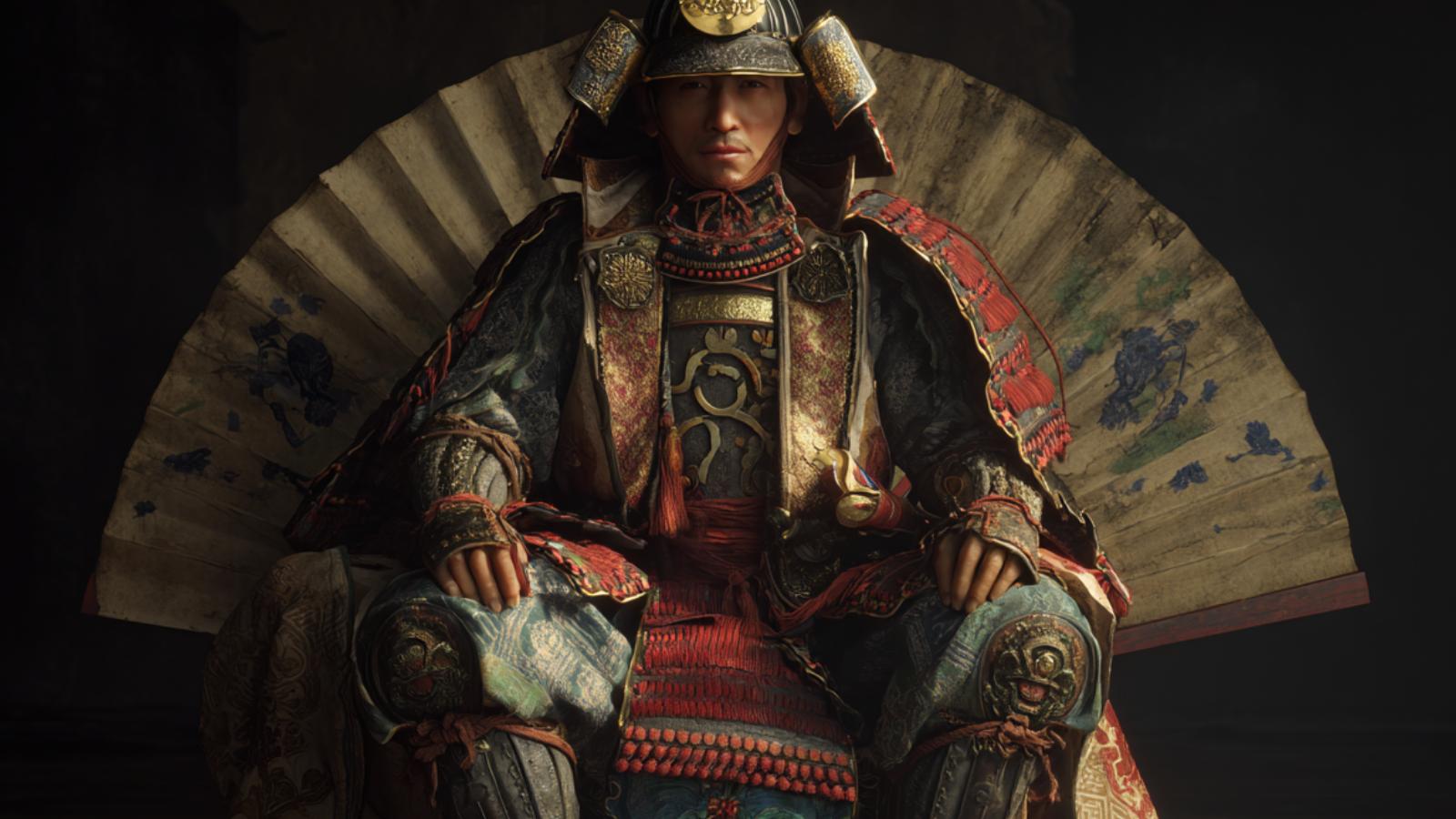
“努力は裏切らない。”
— Effort will never betray you.

| Lead 統率 |
Valor 武勇 |
Intel 知略 |
Pol 政治 |
|---|---|---|---|
| 75 | 70 | 80 | 60 |
| Name (JP) | 籾井 教業 |
|---|---|
| Title | Daimyo |
| Clan / Force | Unknown |
| Era | 1542 – 1609 |
| Origin | Kii |
| Key Battles | |
| Arts | Noh Theatre |
About Momii Norinari
He was raised in a time of constant warfare and political intrigue, which molded him into a capable leader.
His early experiences in martial training and governance under the tutelage of his father laid the foundation for his future successes.
As he came of age, Norinari emerged as a significant commander within the clan.
His journey to power began in earnest during the chaotic Warring States period, where he demonstrated a knack for both strategy and diplomacy.
Aligning himself with powerful allies and proving his worth on the battlefield, he quickly gained recognition as a capable daimyo in Kii Province.
Momii Norinaris military exploits are marked by several notable including his participation in the Siege of Fushimi Castle in 1582, where he displayed valor and tactical ingenuity.
His decisions on the battlefield showcased his understanding of the landscape and the psychology of war, often leading his troops to victory against rival clans.
Despite facing significant challenges, he managed to maintain a loyal following and defend his territory effectively.
After the tumult of the Warring States period subsided, Norinari continued to govern and foster the arts, particularly Noh theatre, which flourished under his patronage.
He passed away in 1609, leaving behind a as a respected leader who balanced military prowess with cultural appreciation.
His life remains a testament to the complex nature of samurai leadership during one of Japans most dynamic historical periods.









comment