
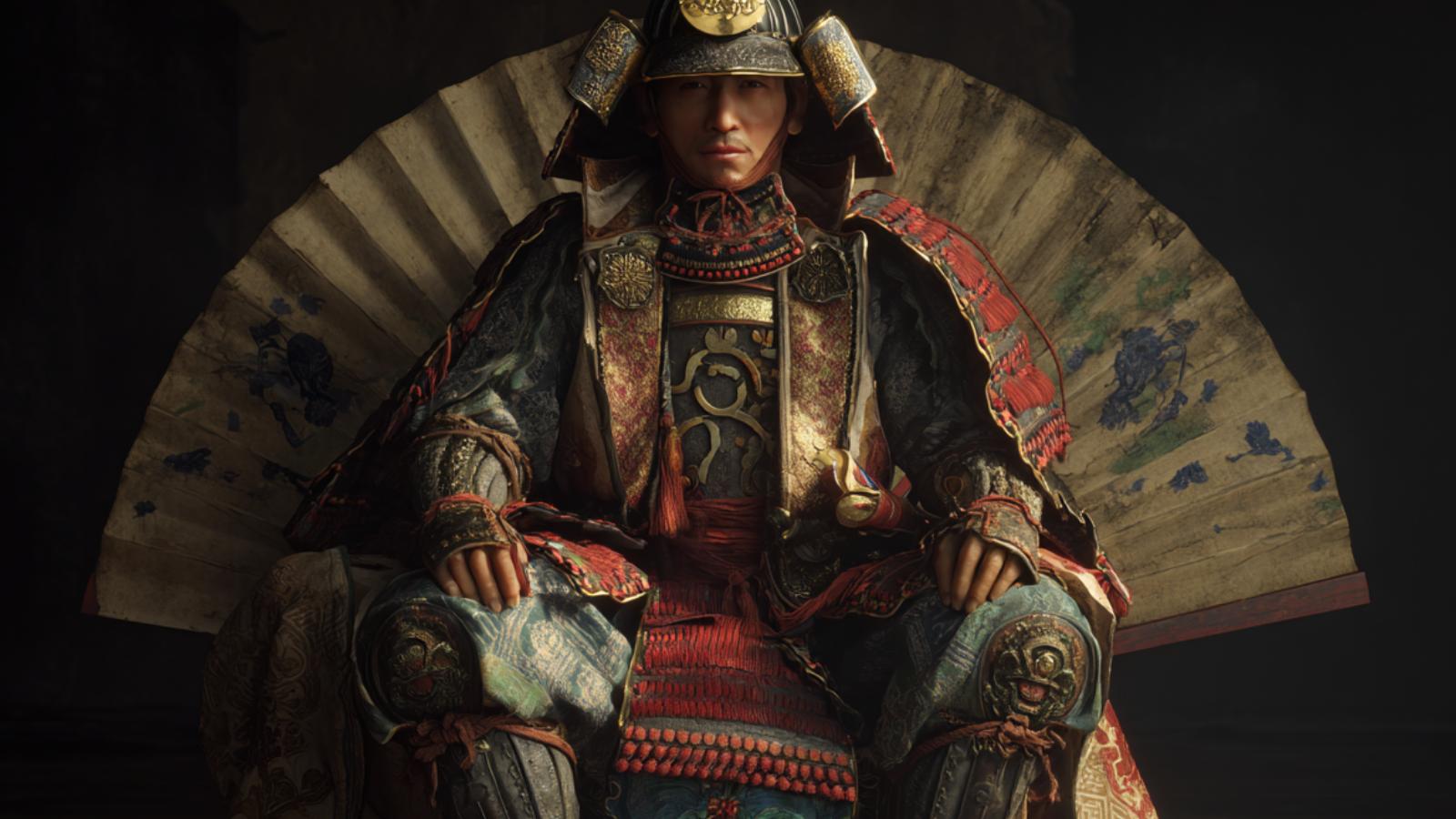
“勝つためには、時には退く勇気も必要だ。”
— To win, sometimes the courage to retreat is necessary.

| Lead 統率 |
Valor 武勇 |
Intel 知略 |
Pol 政治 |
|---|---|---|---|
| 78 | 70 | 75 | 73 |
| Name (JP) | 最上 家親 |
|---|---|
| Title | Daimyo |
| Clan / Force | Mogami Clan |
| Era | 1565 – 1614 |
| Origin | Dewa |
| Key Battles | |
| Arts | Ikebana |
About Mogami Iechika
Raised in a time of great upheaval and conflict, he was influenced by the ongoing battle for power among rival clans.
His upbringing instilled in him the values of bushido, the way of the warrior, while also exposing him to the complexities of governance, strategy, and diplomacy that were essential in the Sengoku period.
As he matured, Iechika quickly rose through the ranks of his clan, gaining recognition for his tactical acumen in various skirmishes and .
By the late 1580s, he had assumed control of the Mogami clan following the death of his father, Mogami Yoshimori.
Under his leadership, the clan expanded its territories and solidified its influence in Dewa, fostering alliances and engaging in both warfare and diplomacy to navigate the regions intricate political landscape.
Iechika participated in several key during his reign, often proving to be a capable commander on the battlefield.
His most notable conflict came during the campaign against the growing power of the Toyotomi clan.
Despite being on the losing side of conflicts, he demonstrated resilience and the ability to rally his troops, earning respect from both his allies and enemies.
His valor was evident, though he preferred strategic victories over personal glory in combat.
After the fall of the Toyotomi clan, Mogami Iechika’s influence began to wane under the consolidation of power by Tokugawa Ieyasu.
Despite this, he is remembered for his contributions to Dewa province and his attempts to maintain the clans autonomy.
He passed away in 1614, leaving behind a as a capable leader whose wisdom and strategies had a profound impact on his clan’s history.









comment