
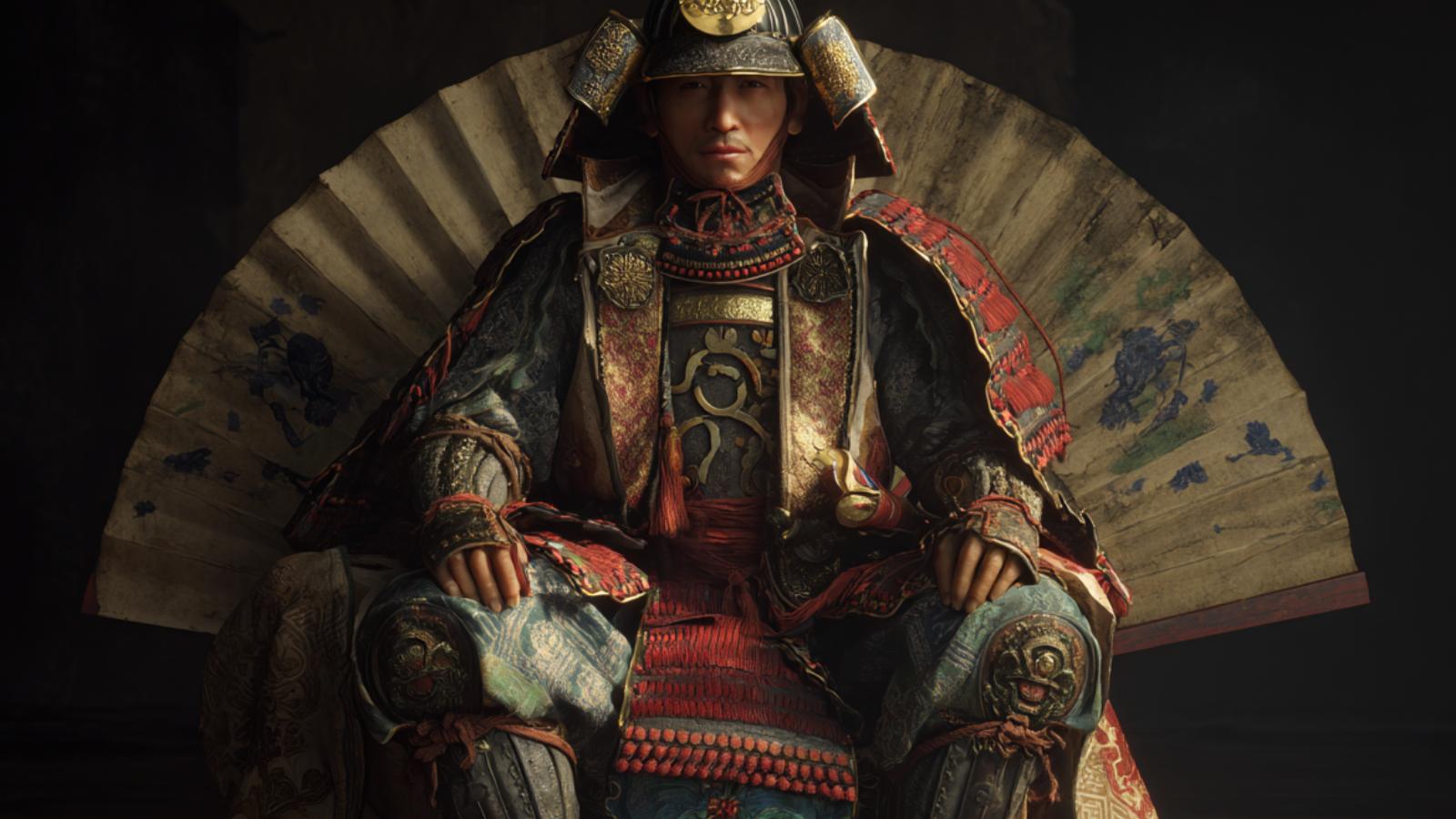
“冥界の花は、死後にこそ咲く。”
— The flowers of the underworld bloom only after death.

| Lead 統率 |
Valor 武勇 |
Intel 知略 |
Pol 政治 |
|---|---|---|---|
| 75 | 70 | 80 | 65 |
| Name (JP) | 三好 義賢 |
|---|---|
| Title | Daimyo |
| Clan / Force | Miyoshi Clan |
| Era | 1495 – 1560 |
| Origin | Igaueno |
| Key Battles | |
| Arts | Noh Theater |
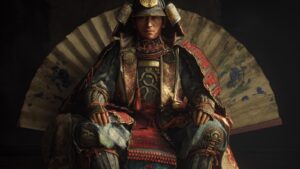
About Miyoshi Yoshikata
He was raised in a tumultuous era rife with for control over territories in Japan.
Yoshikata cultivated a strong sense of duty and responsibility from a young age, heavily influenced by his familys warrior traditions.
As he grew older, he began to take on more significant roles in local conflicts, demonstrating an early aptitude for leadership and strategy.
By the early 1520s, Yoshikata had established himself as a competent military leader and participated in several key, which helped solidify his reputation.
He navigated the complex power dynamics of the Sengoku period adeptly, forming alliances and engaging in warfare when necessary.
His leadership in earned him respect and recognition from other daimyōs, further improving his political standing.
Yoshikata was involved in numerous notable during his to power, including conflicts against rival clans.
His prowess in both battlefield tactics and governance earned him a loyal following among his samurai and increased his influence in the region.
However, like many of his contemporaries, he faced the challenge of loyalty among his retainers and the ever-shifting allegiances that characterized the Sengoku period.
Despite the chaos, his strategic mind frequently enabled him to maintain his clans power and territory.
Miyoshi Yoshikatas is marked by his innovative approaches to military tactics and his contributions to cultural practices such as Noh theater.
He is remembered not only as a skilled leader but also as a man who played a crucial role in shaping the political landscape of his time.
His influence continued long after his death in 1560, with his descendants carrying on his in the art of governance and military strategy.




comment