
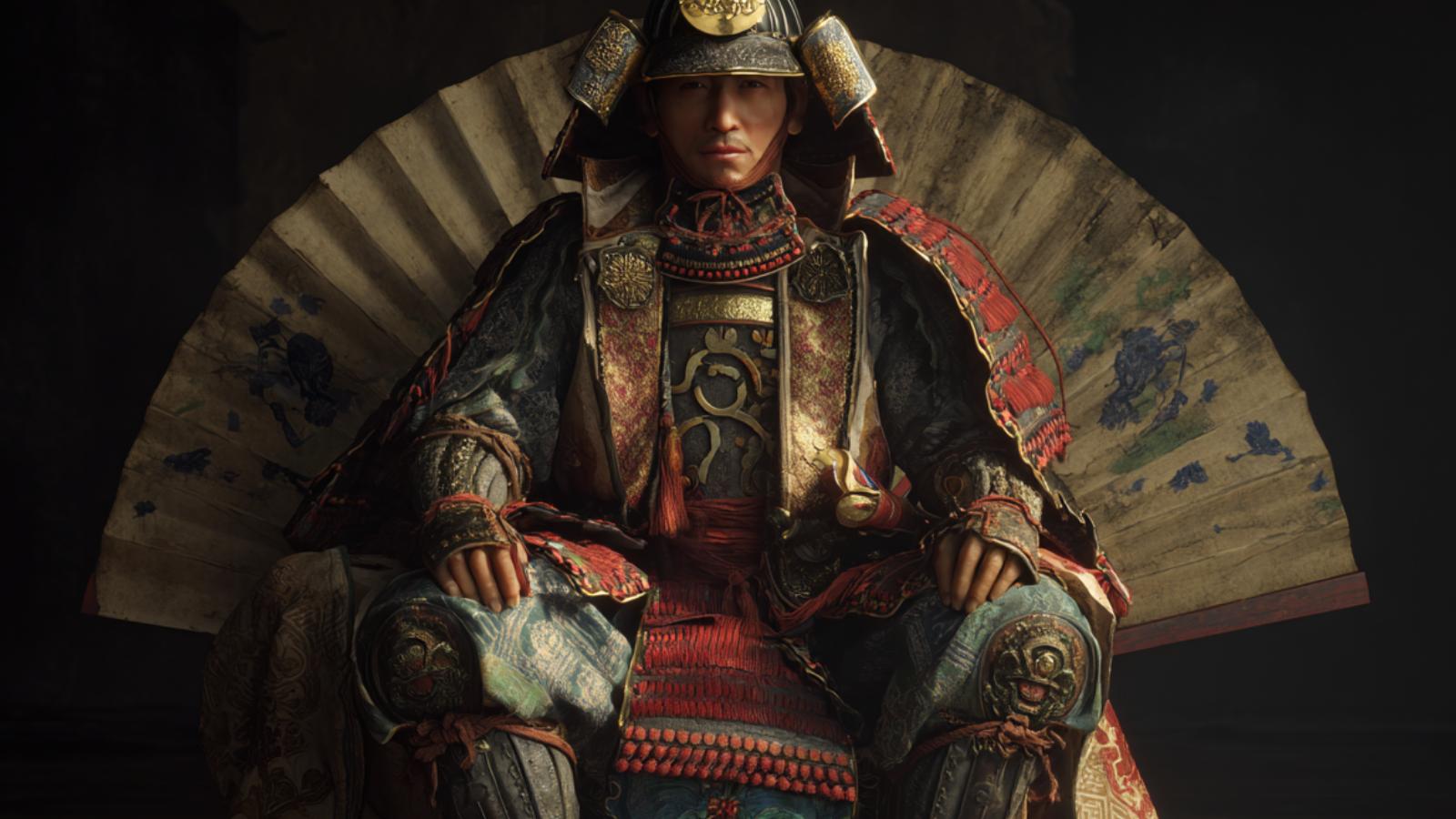
“武士は死を恐れず、名誉を重んじる。”
— A warrior fears not death but cherishes honor.

| Lead 統率 |
Valor 武勇 |
Intel 知略 |
Pol 政治 |
|---|---|---|---|
| 75 | 70 | 72 | 68 |
| Name (JP) | 三好 政康 |
|---|---|
| Title | Daimyo |
| Clan / Force | Miyoshi Clan |
| Era | 1502 – 1564 |
| Origin | Awa |
| Key Battles | |
| Arts | Noh Theatre |
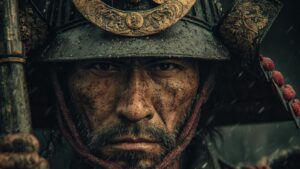
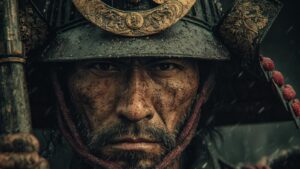
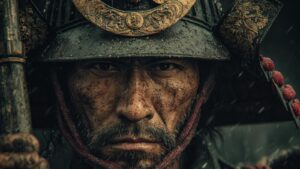
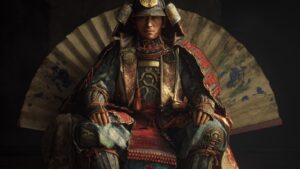
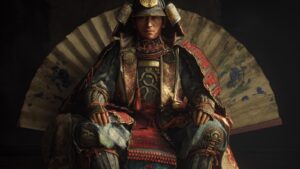
About Miyoshi Masayasu
He grew up in Awa Province, where he was trained in the martial arts and learned the importance of both honor and governance from a young age.
Masayasus upbringing set the stage for a lifetime devoted to the Samurai code and the complexities of feudal politics.
As he came of age, Masayasu began his ascent in the intricacies of the local power dynamics of Japan.
He was known for his strategic acumen and his skillful negotiation with other Daimyo, heightening his familys status.
By the 1550s, he transformed the Miyoshi clan into a formidable presence in the region, challenging the authority of other clans and positioning himself as a key player in the shifting allegiances of the time.
Masayasu took part in several important during his lifetime, showcasing not only his combat valor but also his tactical intelligence.
He is best remembered for his role in campaigns against the powerful Matsunaga clan, where his forces demonstrated remarkable resilience.
Despite facing larger armies, Masayasu’s tactics allowed him to secure several victories that solidified his clans influence.
His reflected a blend of bravery and strategic finesse, eming the essence of the Samurai spirit.
Miyoshi Masayasus is felt through the continued respect for the values he represented.
After his death in 1564, his influence persisted as his descendants carried on the traditions of the Miyoshi clan.
He is often remembered not just as a warrior but as a man whose life was steeped in the art of governance and personal honor, serving as a model for future generations of Samurai.
comment