
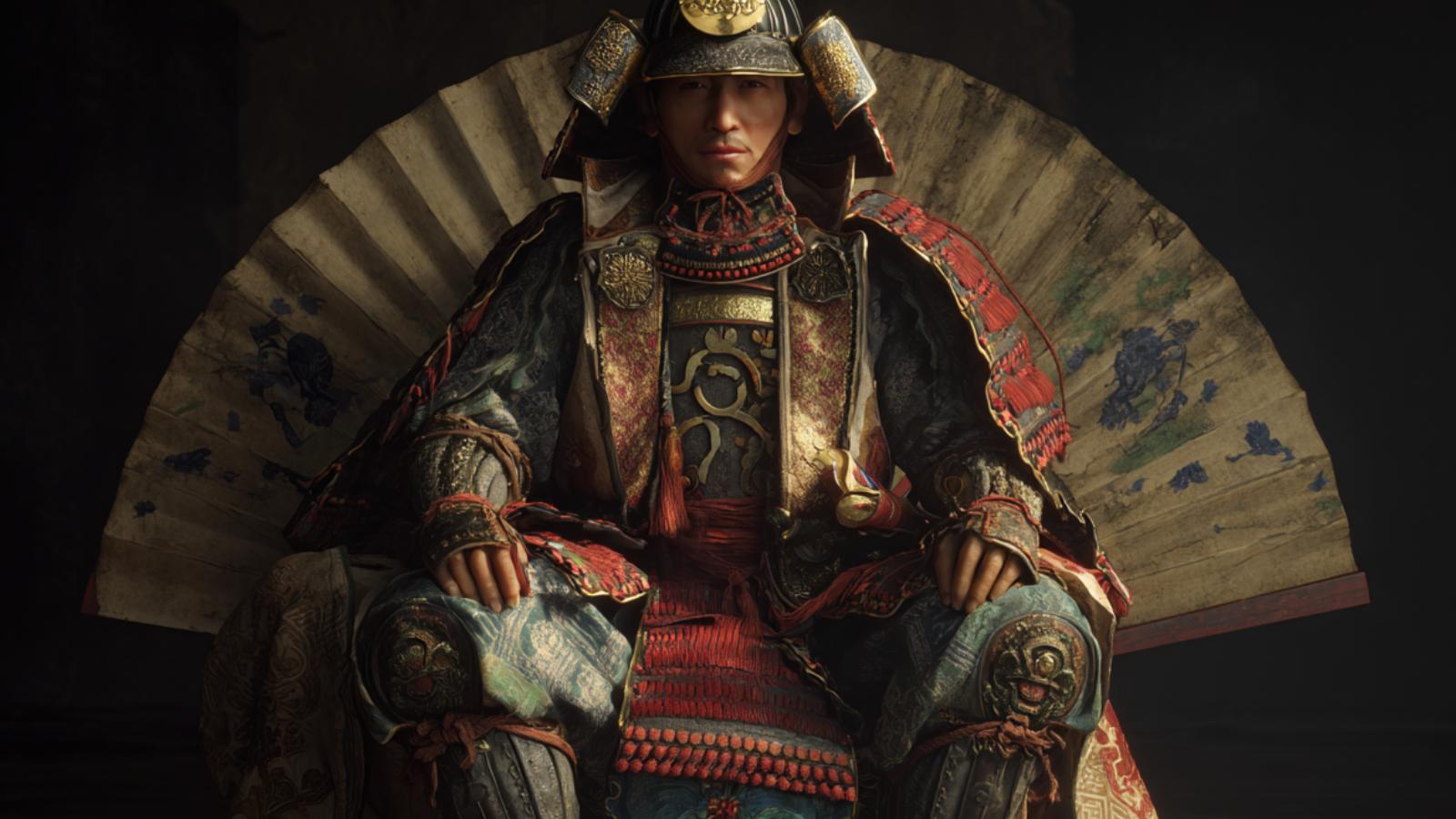
“剣士の心は詩人のように美しい。”
— The heart of a swordsman is as beautiful as that of a poet.

| Lead 統率 |
Valor 武勇 |
Intel 知略 |
Pol 政治 |
|---|---|---|---|
| 78 | 70 | 75 | 68 |
| Name (JP) | 三好 政長 |
|---|---|
| Title | Daimyo |
| Clan / Force | Miyoshi Clan |
| Era | 1494 – 1559 |
| Origin | Miyoshi |
| Key Battles | |
| Arts | Warrior Poetry |
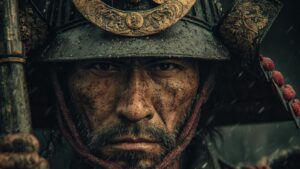
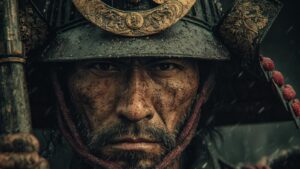
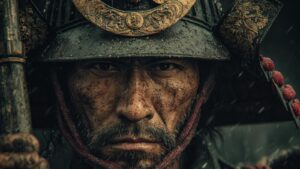
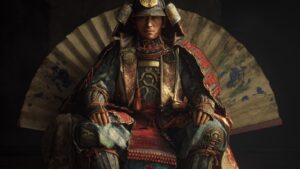
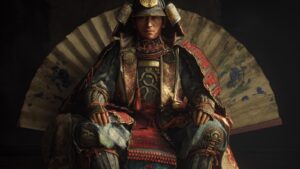
About Miyoshi Masanaga
As a offspring of a prominent shugo family, he was destined for a life of leadership and military duty.
His early years were marked by the traditional samurai education, focusing on swordsmanship, strategy, and the arts, particularly warrior poetry, which shaped his future character and approach to leadership.
Masanaga rose to prominence amidst the chaos of the Sengoku period, a time characterized by constant military conflict and social upheaval.
He became known for his tactical acumen and his ability to unite various factions under his banner.
His political maneuvering and alliances allowed him to amass power and control over significant territories, establishing himself as a respected daimyo in the region.
Despite subservience to more significant powers during some periods, his ability to navigate the volatile landscape of feudal Japan earned him both loyalty and admiration from his retainers and the common folk alike.
Throughout his life, Masanaga participated in numerous, showcasing his leadership abilities and combat skills.
He stood out particularly in the against the Takeda and Uesugi clans, where his strategic insights and valor played crucial roles in his forces successes.
Masanagas personal bravery on the battlefield was admired, although it could be said that his real strength lay in his strategic mind, which allowed him to outperform many of his contemporaries in combat scenarios and diplomatic negotiations alike.
Miyoshi Masanagas impact on the Sengoku period extends beyond his military exploits.
He is remembered as a bridge between the old samurai traditions and the emerging power structures of Japan.
His poetic expressions and military strategies left an indelible mark on the history of the Miyoshi clan.
Though he might not be as renowned as some of the legendary figures of the time, his contributions to the art of war and his civic governance strategies shaped the of his lineage and laid foundational stones for the future of the region.
comment