
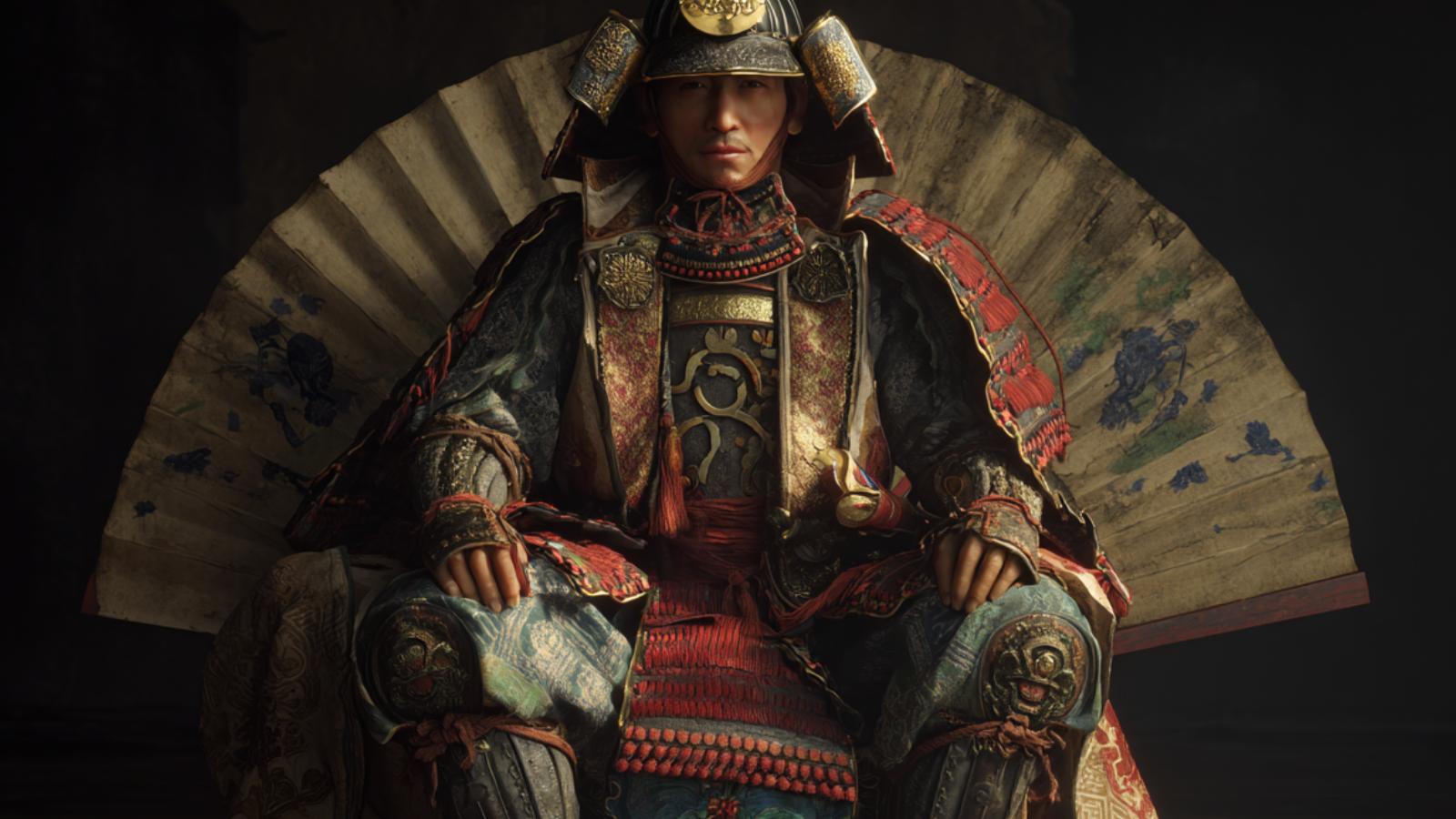
“智者の剣は、戦略の道を切り開く。”
— The sword of the wise carves the path of strategy.

| Lead 統率 |
Valor 武勇 |
Intel 知略 |
Pol 政治 |
|---|---|---|---|
| 75 | 70 | 80 | 65 |
| Name (JP) | 三木 自綱 |
|---|---|
| Title | Daimyo |
| Clan / Force | Mikawa Province, served under Tokugawa Ieyasu |
| Era | 1550 – 1617 |
| Origin | Tosa |
| Key Battles | |
| Arts | Noh Theatre |
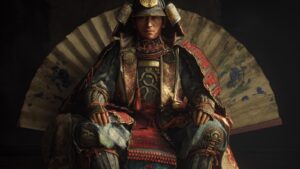
About Mitsugi Yoritsuna
Coming from a family of notable shugos, he was immersed in the samurai culture from a young age.
Yoritsuna exhibited a natural aptitude for strategy and governance, gaining recognition early in his life., Yoritsunas to power began in the late 1560s when he took charge of his familys domain during a tumultuous period marked by internal conflicts in Tosa.
His leadership skills and intellect helped him navigate through alliances and rivalries, allowing him to consolidate power and establish himself as a significant figure in the region.
Under his rule, Tosa prospered, as he implemented policies that strengthened agricultural production and trade., Throughout his career, Mitsugi Yoritsuna participated in several key during the late Sengoku period.
His approach to warfare focused on strategic positioning and terrain advantage rather than sheer numbers.
He was instrumental in the defense of Tosa against rival clans, employing tactical maneuvers that showcased his intelligence and valor.
Although he did not achieve legendary status, his efforts significantly contributed to the stability of his province in a chaotic era., Mitsugi Yoritsuna passed away in 1617, leaving behind a as a capable leader and strategist.
His contributions to Tosa Province cemented his place in history, and his descendants continued to influence the region long after his death.
Today, he is remembered not as a legendary samurai but as a skilled daimyo who navigated the complex socio-political landscape of his time.




comment