
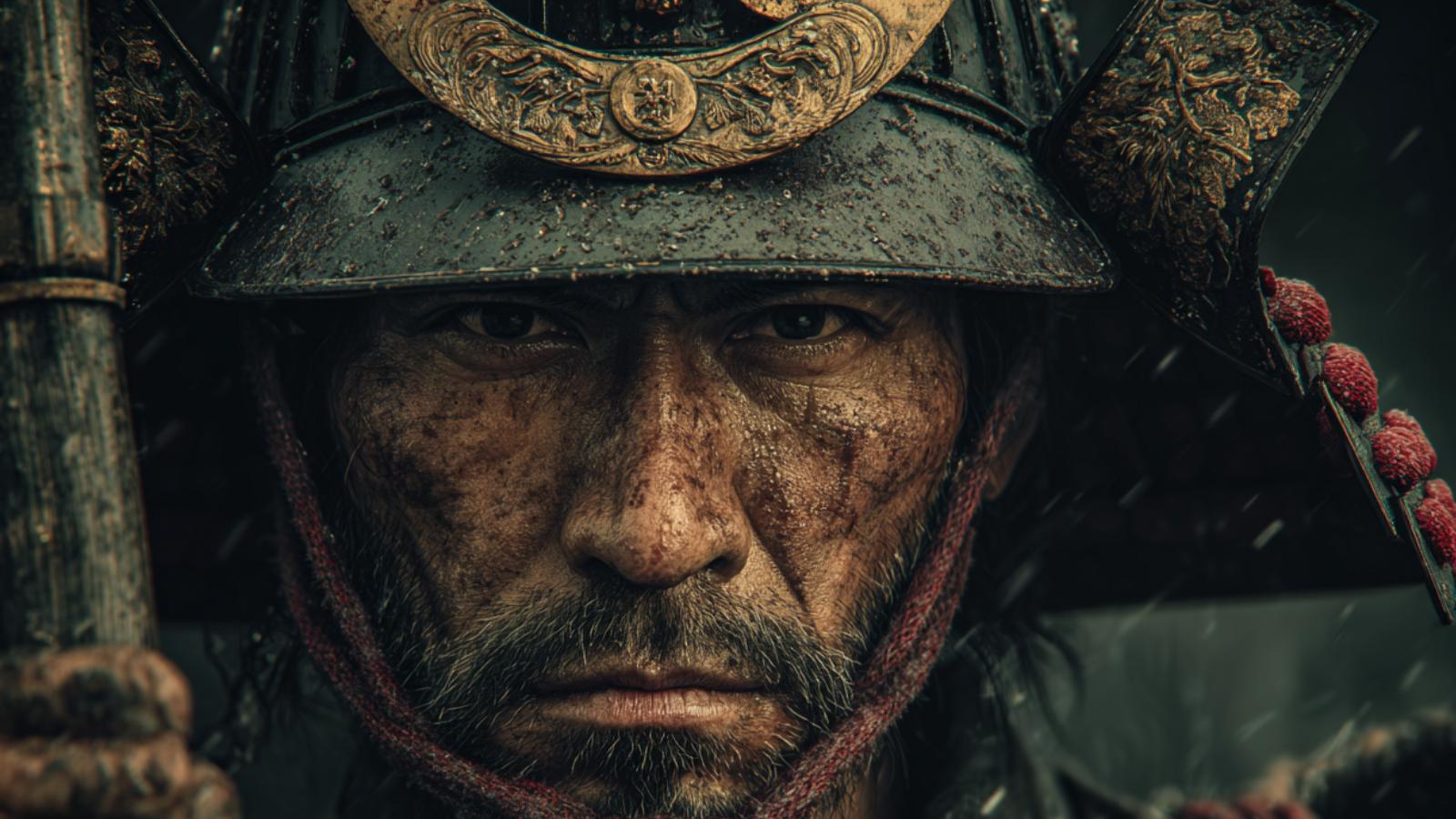
“戦は悪を打つための義務だ。”
— War is a duty to strike down evil.

| Lead 統率 |
Valor 武勇 |
Intel 知略 |
Pol 政治 |
|---|---|---|---|
| 75 | 70 | 78 | 65 |
| Name (JP) | 壬生 義雄 |
|---|---|
| Title | Samurai |
| Clan / Force | Shinsengumi |
| Era | 1820 – 1868 |
| Origin | Kyoto |
| Key Battles | |
| Arts | Ikebana |
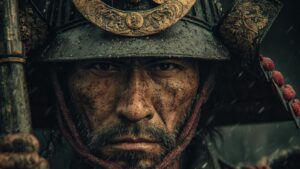
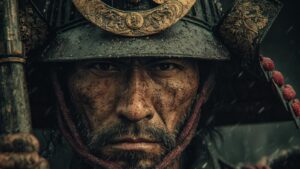
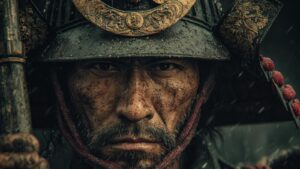
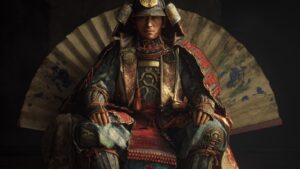
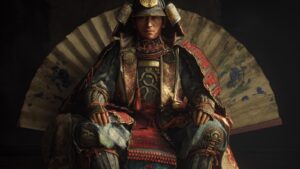
About Mibu Yoshio
Growing up during the turbulent times of the late Edo period, he was inspired by the ideal of the samurai and dedicated himself to the martial arts from a young age.
His tenacity and prowess did not go unnoticed, leading him to train under notable martial arts masters and honing his skills.
His upbringing instilled in him a deep sense of justice and a desire to protect the innocent, which would influence his life decisions profoundly.
As Yoshio matured, he became known for his exceptional swordsmanship and strategic mind.
He joined the Shinsengumi, a special police force established to protect the Tokugawa shogunates interests, where he quickly gained respect among his peers.
His leadership abilities shone through as he became involved in various conflicts and confrontations during the Boshin War.
His experiences shaped him into a capable leader, though he often struggled with the political nuances that came with being part of a larger organization.
Throughout his career, Mibu Yoshio participated in numerous engagements, showcasing his determination and bravery in battle.
Whether it was quelling uprisings or defending the shogunate from revolutionaries, Yoshio was resolute in his actions.
However, his time with the Shinsengumi came to a bittersweet end with the fall of the Tokugawa shogunate and the of the Meiji Restoration, which socially and politically upheaved the landscape of Japan.
Mibu Yoshios is one of a dedicated warrior fighting valiantly for his beliefs.
Though his life ended tragically in 1868 amid the upheaval, he is remembered as a symbol of the spirit of the samurai, standing for justice and loyalty.
Today, his life and story continue to inspire tales of bravery and the fight against tyranny, reflecting the rich tapestry of Japans historical narrative.
comment