
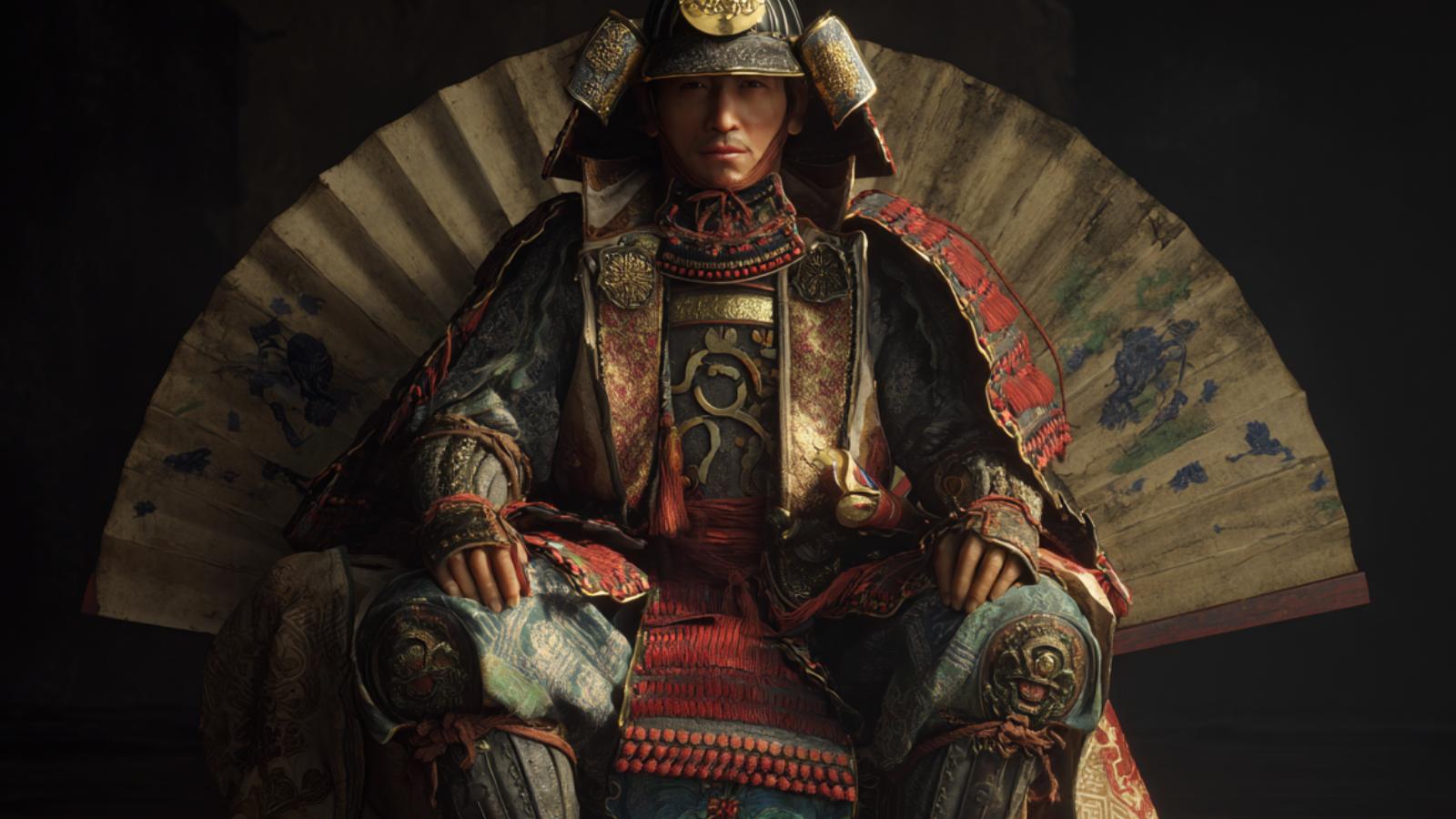
“知恵と力は、共に必要だ。”
— Wisdom and strength are both necessary.

| Lead 統率 |
Valor 武勇 |
Intel 知略 |
Pol 政治 |
|---|---|---|---|
| 73 | 70 | 75 | 68 |
| Name (JP) | 壬生 綱房 |
|---|---|
| Title | Daimyo |
| Clan / Force | Unknown |
| Era | 1630 – 1692 |
| Origin | Miyagi |
| Key Battles | |
| Arts | Swordsmanship |
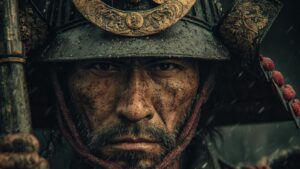
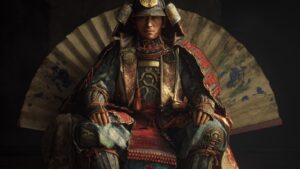
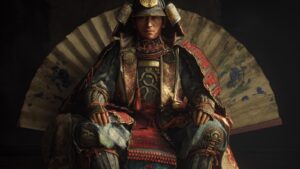
About Mibu Tsunafusa
His early education emphasized both martial skills and literary studies, preparing him for a life dedicated to serving his lord and upholding the samurai code.
Through rigorous training in swordsmanship and strategy, Tsunafusa developed a keen understanding of both battle and governance, which would serve him well in later years.
In his early career, Tsunafusa quickly earned a reputation for his tactical acumen and valor on the battlefield.
His leadership during skirmishes against rival clans caught the attention of higher-ranking daimyos, leading to his recognition as a promising military leader.
By the time he was appointed as a daimyō, he had already established himself as a key figure in the power dynamics of Miyagi, skillfully navigating local politics and alliances.
Throughout his life, Tsunafusa participated in numerous, where his strategies were often lauded for their effectiveness.
His understanding of topography and troop movements allowed him to outmaneuver larger forces.
Notably, during a pivotal confrontation in the mid-1670s, his strategic foresight led to a decisive victory, enhancing his reputation as a capable general.
Despite the chaotic nature of the period, Tsunafusa was able to maintain relative peace and prosperity in his domain, a testament to his skills in governance and diplomacy.
Mibu Tsunafusa passed away in 1692, leaving behind a marked by his contributions to the stability of the region.
His commitment to the samurai values of loyalty, honor, and strength continued to influence the samurai classes that followed him.
While he may not have reached the legendary status of some of his contemporaries, his role as a competent leader and strategist remains an important chapter in the rich tapestry of samurai history.
comment