
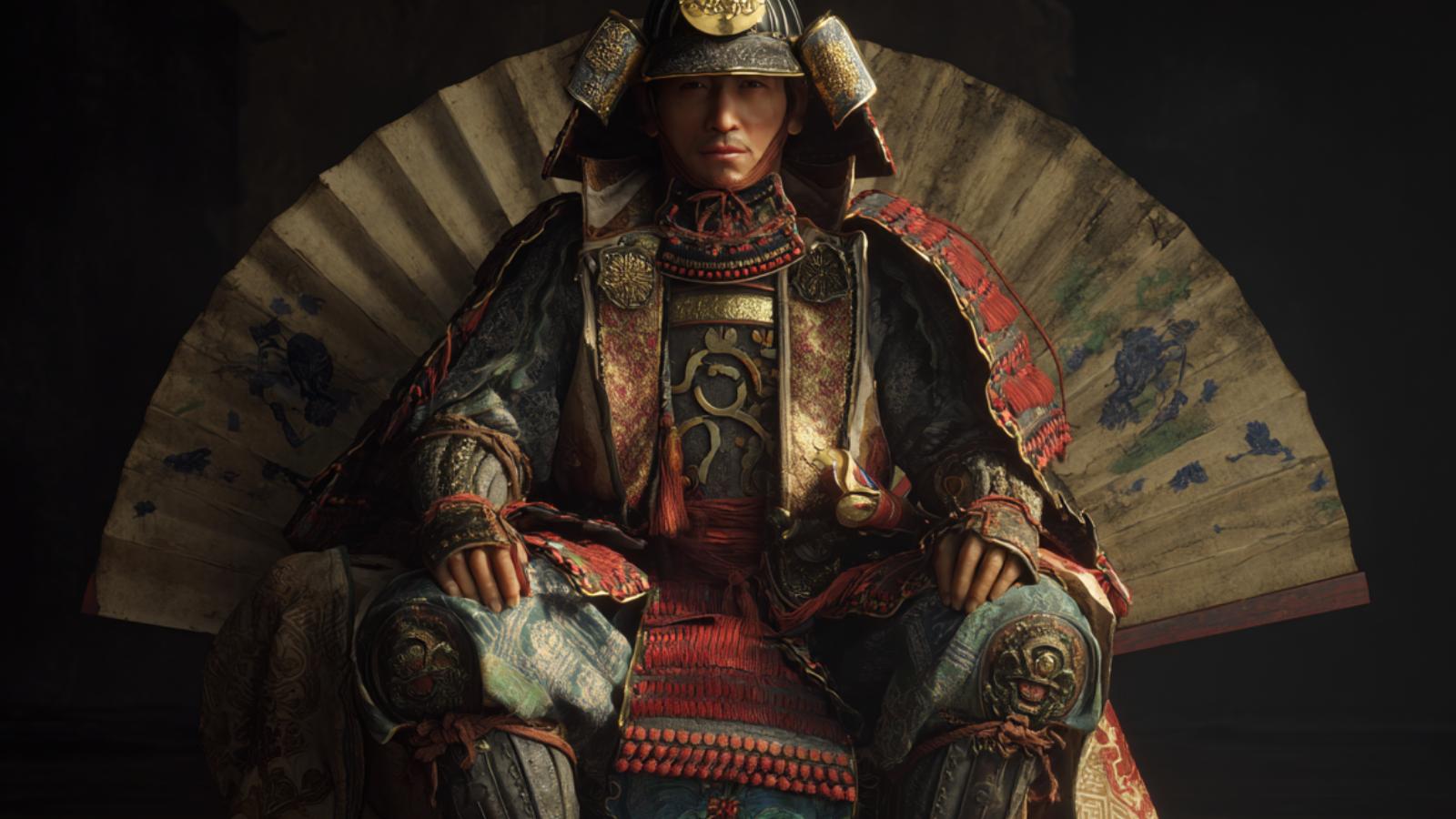
“武士道は死を恐れない心を育む。”
— The way of the samurai cultivates a heart that fears not death.

| Lead 統率 |
Valor 武勇 |
Intel 知略 |
Pol 政治 |
|---|---|---|---|
| 75 | 70 | 80 | 65 |
| Name (JP) | 松浦 隆信 |
|---|---|
| Title | Daimyo |
| Clan / Force | Matsura Clan |
| Era | 1545 – 1614 |
| Origin | Hizen |
| Key Battles | |
| Arts | Calligraphy |
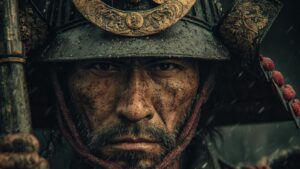
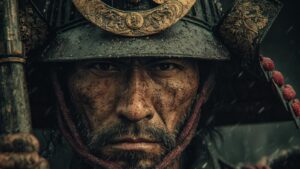
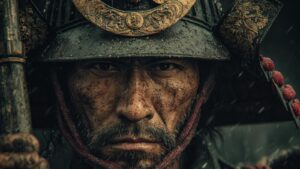
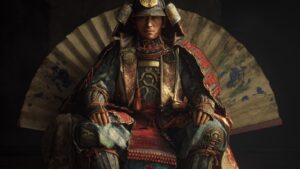
About Matsura Takanobu
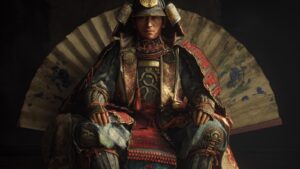
Educated in the ways of the samurai, Takanobu demonstrated a strong warrior ethos from a young age.
His upbringing in a tumultuous period of Japanese history instilled in him a sense of duty and loyalty, which shaped his future as a leader.
As a young daimyo, Takanobu inherited the clan’s rule and rapidly sought to expand its influence.
He aligned himself with various powerful clans and forged alliances, especially with the Mouri clan, allowing for greater territorial stability.
His knack for diplomacy and strategy enabled him to navigate the complex political landscape of the Sengoku period effectively.
Takanobu’s military prowess came to the forefront during numerous skirmishes against rival clans.
Notable among these were his engagements in naval, showcasing his familys maritime .
He led his troops with courage, demonstrating a blend of valor and tactical cunning that earned him respect among peers.
However, his challenges in some conflicts revealed weaknesses that would later affect his standing in the clan hierarchy.
Matsura Takanobu’s is characterized by his dedication to both his clan and the ideals of bushido.
After his death in 1614, he was remembered as a capable leader who significantly influenced the Hizen province.
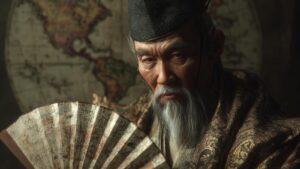
His commitment to the arts, particularly calligraphy, illustrates the multifaceted nature of samurai culture, balancing martial pursuits with intellectual achievements.
comment