
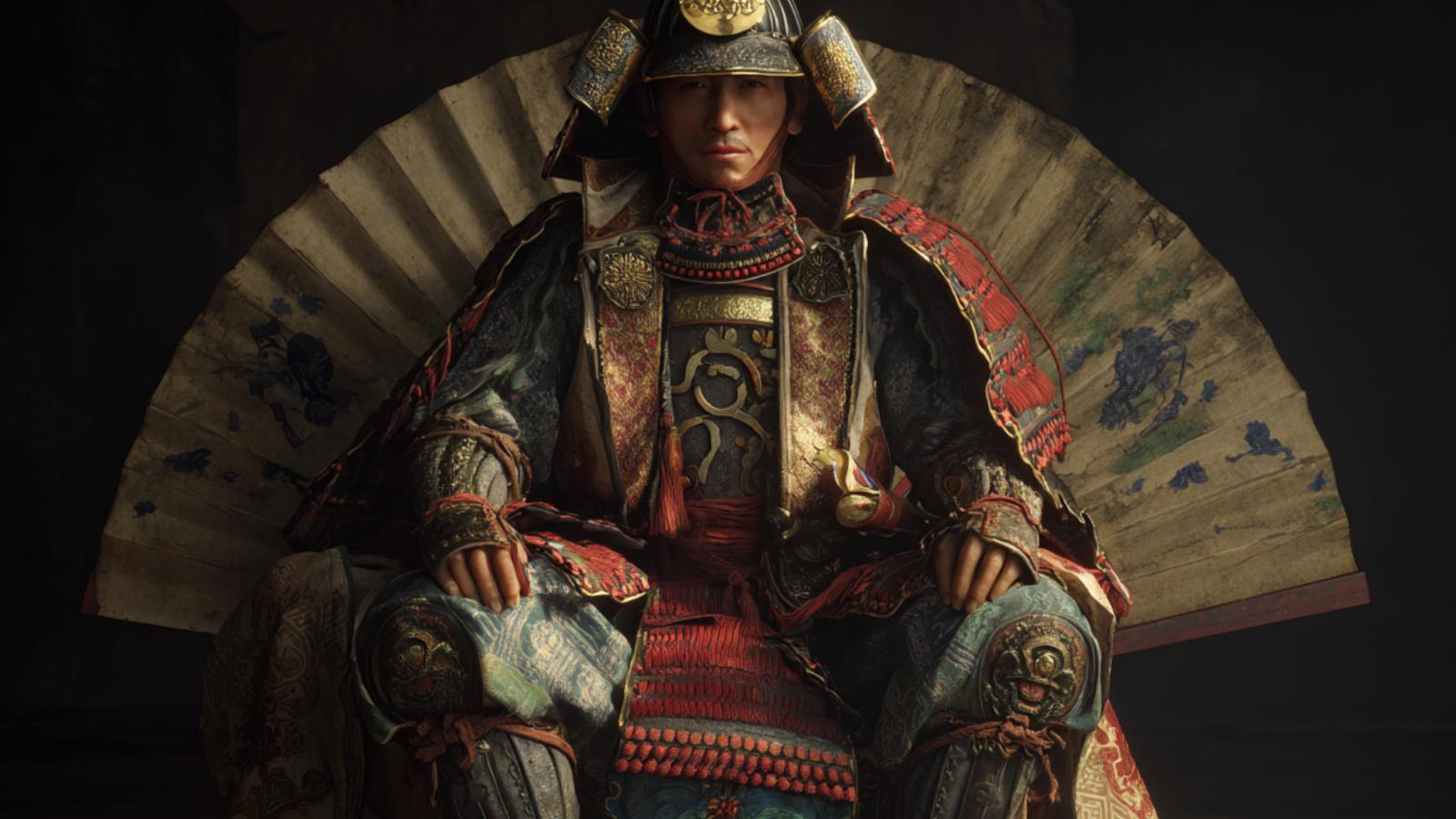
“勝者の道を歩む者は、常に試練を超えなければならない。”
— Those who walk the path of victory must always overcome trials.

| Lead 統率 |
Valor 武勇 |
Intel 知略 |
Pol 政治 |
|---|---|---|---|
| 75 | 70 | 80 | 65 |
| Name (JP) | 松浦 鎮信 |
|---|---|
| Title | Daimyo |
| Clan / Force | Matsura Clan |
| Era | 1560 – 1635 |
| Origin | Hizen |
| Key Battles | |
| Arts | Noh Theatre |
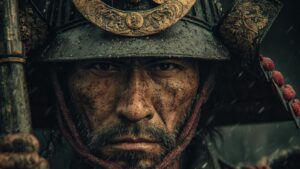
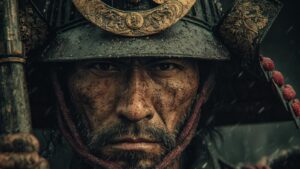
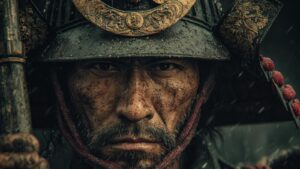
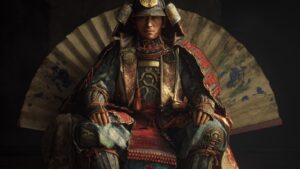
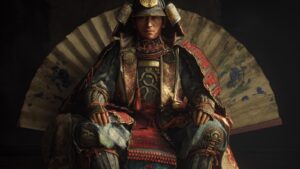
About Matsura Shigenobu
His family, a samurai clan, instilled in him the values of bravery and loyalty from an early age.
As a youth, Shigenobu trained rigorously in the arts of war and diplomacy, dedicating himself to mastering the skills necessary to lead and protect his people.
As the civil wars began to wane, Shigenobu emerged as a capable leader.
His sharp intellect and military strategies allowed him to navigate the complex political landscape of the time.
He took control over significant territories and strengthened his clan’s position by forming alliances and engaging in skirmishes that expanded his influence in Hizen.
His tactical acumen was evident during the conflicts with rival clans, where he demonstrated both valor and intelligence in guiding his troops to victory.
Shigenobu is particularly noted for his role in several key during the late 16th century.
His strategy often involved using the terrain to his advantage, as well as leveraging his knowledge of local geography.
Though he faced numerous challenges, his leadership proved crucial in securing victories for his clan.
He was respected not only for his battlefield prowess but also for his ability to manage and motivate his army, rallying them with inspirational speeches and personal bravery in combat.
Matsura Shigenobus extends beyond the battlefield; he was also a patron of the arts, particularly Noh theatre, which flourished under his support.
His contributions to culture and governance helped to stabilize the region as Japan moved toward unification under the Tokugawa shogunate.
Today, he is remembered as a symbol of samurai virtues, exemplifying the balance between martial skill and cultural appreciation.
His story remains a poignant example of leadership during one of Japans most volatile periods.
comment