
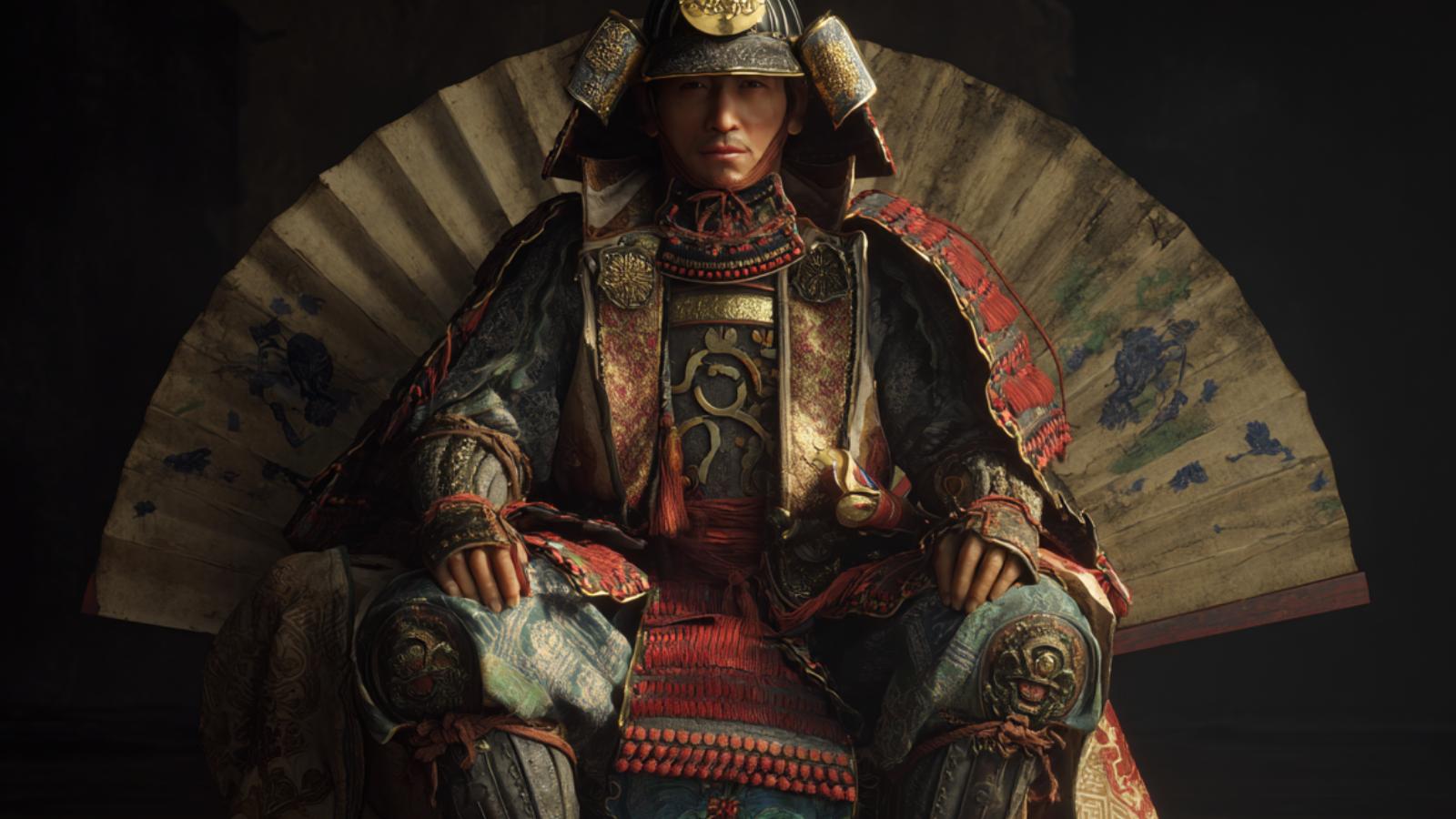
“忠義は剣よりも鋭い”
— Loyalty is sharper than the sword.

| Lead 統率 |
Valor 武勇 |
Intel 知略 |
Pol 政治 |
|---|---|---|---|
| 68 | 62 | 75 | 64 |
| Name (JP) | 松田 元賢 |
|---|---|
| Title | Daimyo |
| Clan / Force | Unknown |
| Era | 1496 – 1580 |
| Origin | Omi |
| Key Battles | |
| Arts | Calligraphy |
About Matsuda Motokata
His upbringing was steeped in the values of honor and loyalty, which would shape his character and future endeavors.
Not much is detailed about his early years, but it is known that he was trained in martial arts and the philosophy of bushido from a young age.
During the Sengoku period, Japan was engulfed in civil strife, with various clans vying for power.
Motokata quickly gained recognition as a capable leader and strategist.
By aligning himself with influential lords of the time, he managed to expand his territory and solidify his reputation as a dependable lord among his peers.
His political maneuvering enabled him to consolidate power, allowing him to become a daimyo in his own right.
Motokata was involved in several key during his lifetime, defending his lands against various invaders.
His notable military engagements showcased not only his valor but also his strategic intelligence, allowing him to sometimes outmaneuver larger forces.
He was known for treating his soldiers with respect, fostering loyalty among his ranks and ensuring a well-united front in battle.
After his death in 1580, Matsuda Motokata left behind a lasting as a competent and honorable leader.
His contributions to the samurai ethos and governance were significant during a chaotic era in Japanese history.
Today, he is remembered as an embodiment of loyalty and the samurai way, and his teachings continue to inspire descendants of the samurai and aficionados of Japanese martial cultures.









comment