
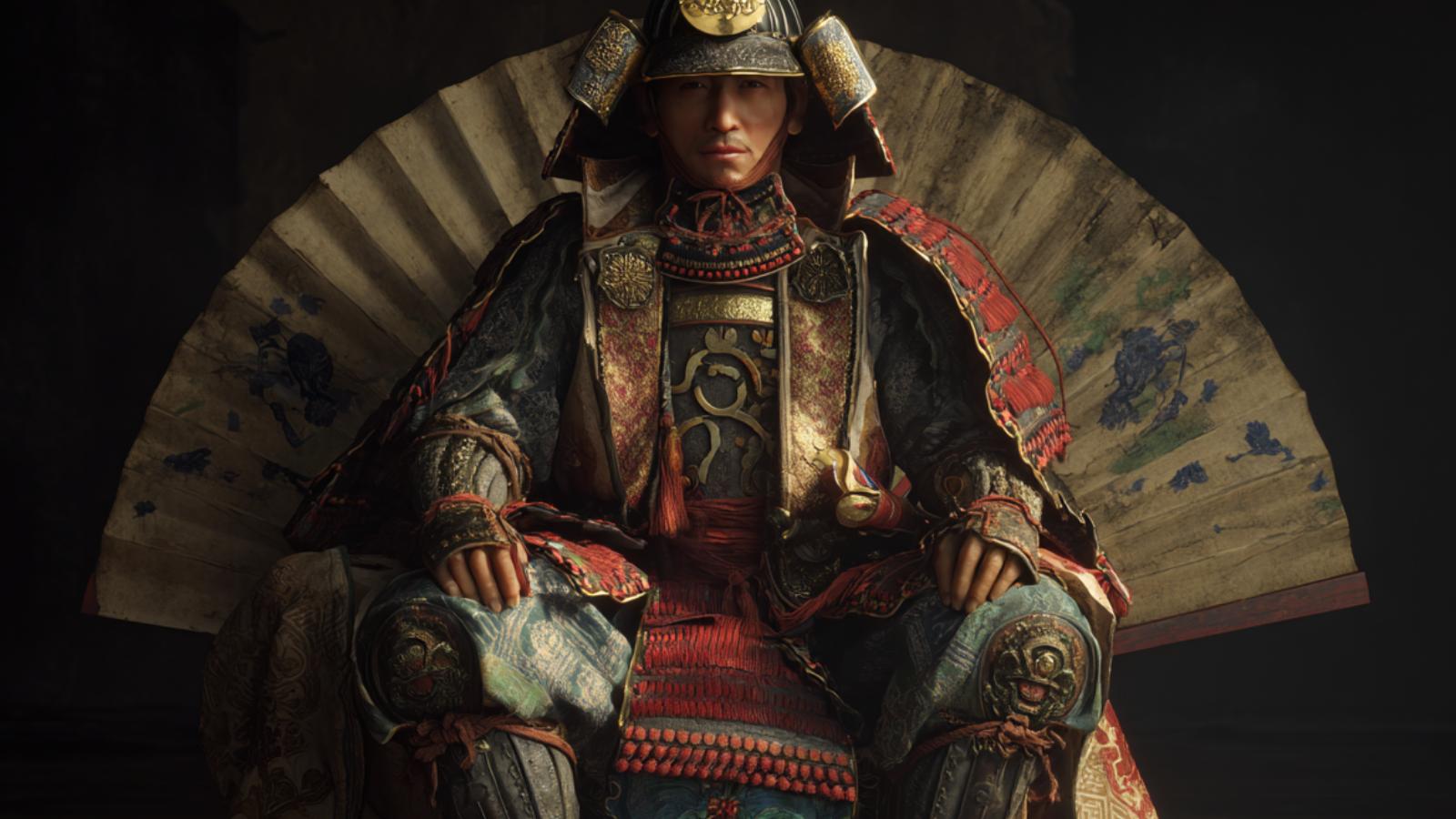
“武士の道は誇り高い。”
— The way of the samurai is one of high honor.

| Lead 統率 |
Valor 武勇 |
Intel 知略 |
Pol 政治 |
|---|---|---|---|
| 75 | 72 | 78 | 70 |
| Name (JP) | 前田 利益 |
|---|---|
| Title | Daimyo |
| Clan / Force | Maeda Clan |
| Era | 1545 – 1612 |
| Origin | Kaga |
| Key Battles | |
| Arts | Noh Theatre |
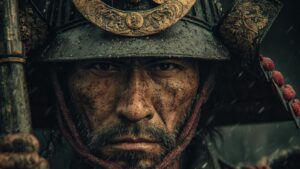
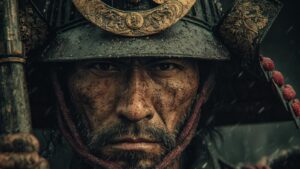
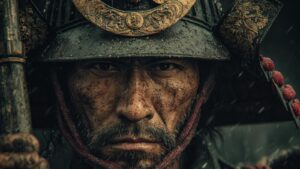
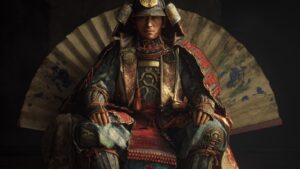
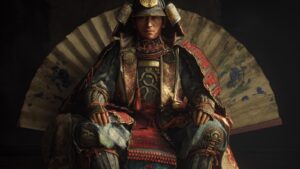
About Maeda Toshimasu
His family belonged to the Maeda clan, who were prominent retainers of the powerful Uesugi clan.
Growing up amidst the conflicts of the Warring States period, Toshimasu was trained in the ways of the sword and strategy from an early age.
His upbringing shaped his understanding of loyalty and honor, essential traits for a samurai.
As conflict erupted across Japan, Toshimasu quickly gained recognition for his leadership qualities and battlefield prowess.
He distinguished himself in various smaller conflicts, ultimately proving his capabilities to his lords and peers.
By the late 1560s, he had n through the ranks to become a highly respected samurai, and soon attained the of daimyo.
His ability to command troops and make strategic decisions on the battlefield earned him a reputation as a capable general among his contemporaries.
One of the significant moments of Toshimasus military career came during the Siege of Kanazawa in the 1580s, where he showcased his tactical intelligence.
Under pressure from rival clans, he managed to defend his territory with remarkable skill.
His efforts not only preserved his domain, but they also enhanced the Maeda clans power.
Throughout his military engagements, Toshimasu demonstrated a blend of valor and intellect, making him a formidable presence on the battlefield and an outstanding leader for his troops.
Maeda Toshimasu passed away in 1612, leaving behind a that continues to be remembered in the annals of Japanese history.
His contributions to the Kaga Province and his role in strengthening the clan were critical during a transformative era.
Even today, his commitment to the samurai code and his military achievements are celebrated in various historical texts and cultural discussions in Japan.
The ethos he embodied continues to inspire those who study samurai culture and history.
comment