
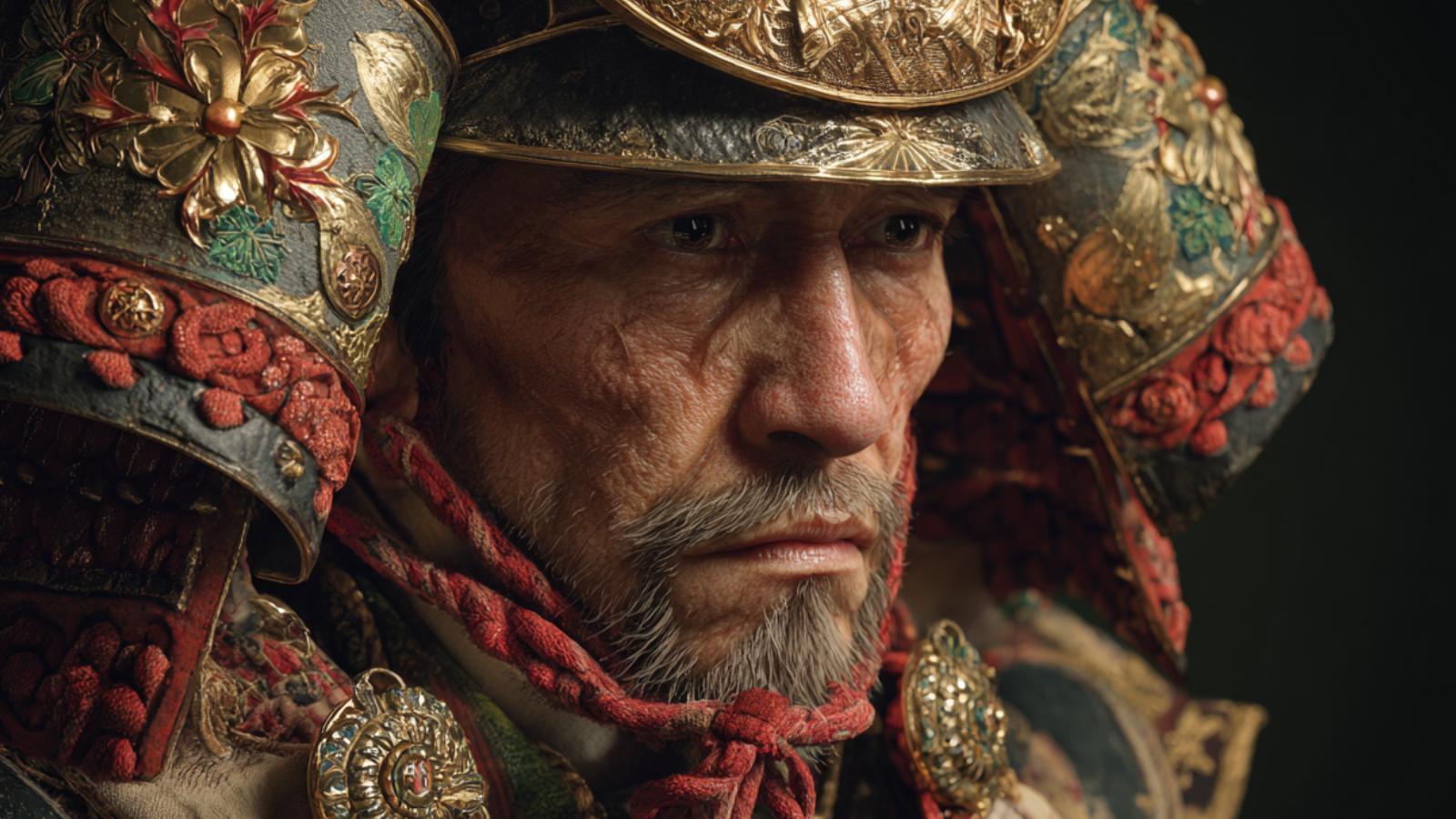
“黄金より名こそ惜しけれ”
— Honor is more precious than gold.

| Lead 統率 |
Valor 武勇 |
Intel 知略 |
Pol 政治 |
|---|---|---|---|
| 85 | 80 | 75 | 70 |
| Name (JP) | 前田 利家 |
|---|---|
| Title | Daimyo |
| Clan / Force | Maeda Clan |
| Era | 1533 – 1599 |
| Origin | Kaga |
| Key Battles | |
| Arts | Tea Ceremony |
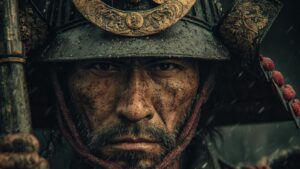
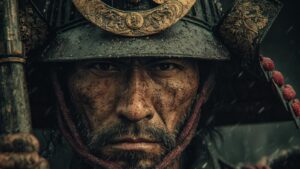
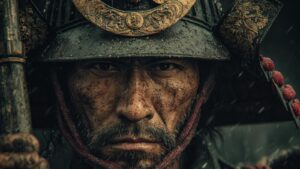
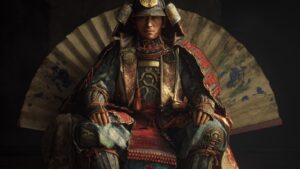
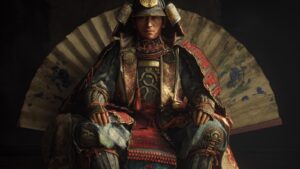
About Maeda Toshiie
He came from a samurai family, which set the foundation for his life as a warrior.
Growing up during the tumultuous Sengoku period, Toshiies early experiences shaped his skills in combat and leadership.
His family aligned themselves with the powerful forces of the time, setting his trajectory toward greatness.
Toshiie initially served under the notable warlord, Oda Nobunaga.
His loyalty and tactical skills caught Nobunagas attention, leading to his rapid within the ranks.
Toshiies reputation as a capable general and strategist solidified during this period as he played crucial roles in several key campaigns, showcasing his abilities to command troops and make smart decisions in battle.
Over time, he garnered enough respect to be granted the of daimyo, overseeing significant territories in Kaga Region.
Throughout his career, Toshiie participated in many pivotal, including the Battle of Okehazama and the Siege of Inabayama Castle.
His valor and decisive actions in these conflicts established him as one of the notable generals of the era.
Toshiies adeptness at strategy and his ability to inspire his men proved as crucial as his combat skill, making him a revered commander and an essential figure in Nobunaga’s campaigns against rival clans.
After the death of Nobunaga, Toshiie continued to serve under Toyotomi Hideyoshi, further securing his as a steadfast supporter during the unification of Japan.
He was instrumental in the reconstruction and development of the Kaga region, focusing on governance and the promotion of culture, such as the tea ceremony.
Toshiies influence and contributions to the samurai class and Japanese history remain significant, and he is remembered as one of the eras great generals.
His descendants continued to play an essential role in feudal Japan, further entrenching the Maeda clans historical significance.
comment
List of comments (1)
[…] Maeda Toshiie | 前田 利家and others […]