
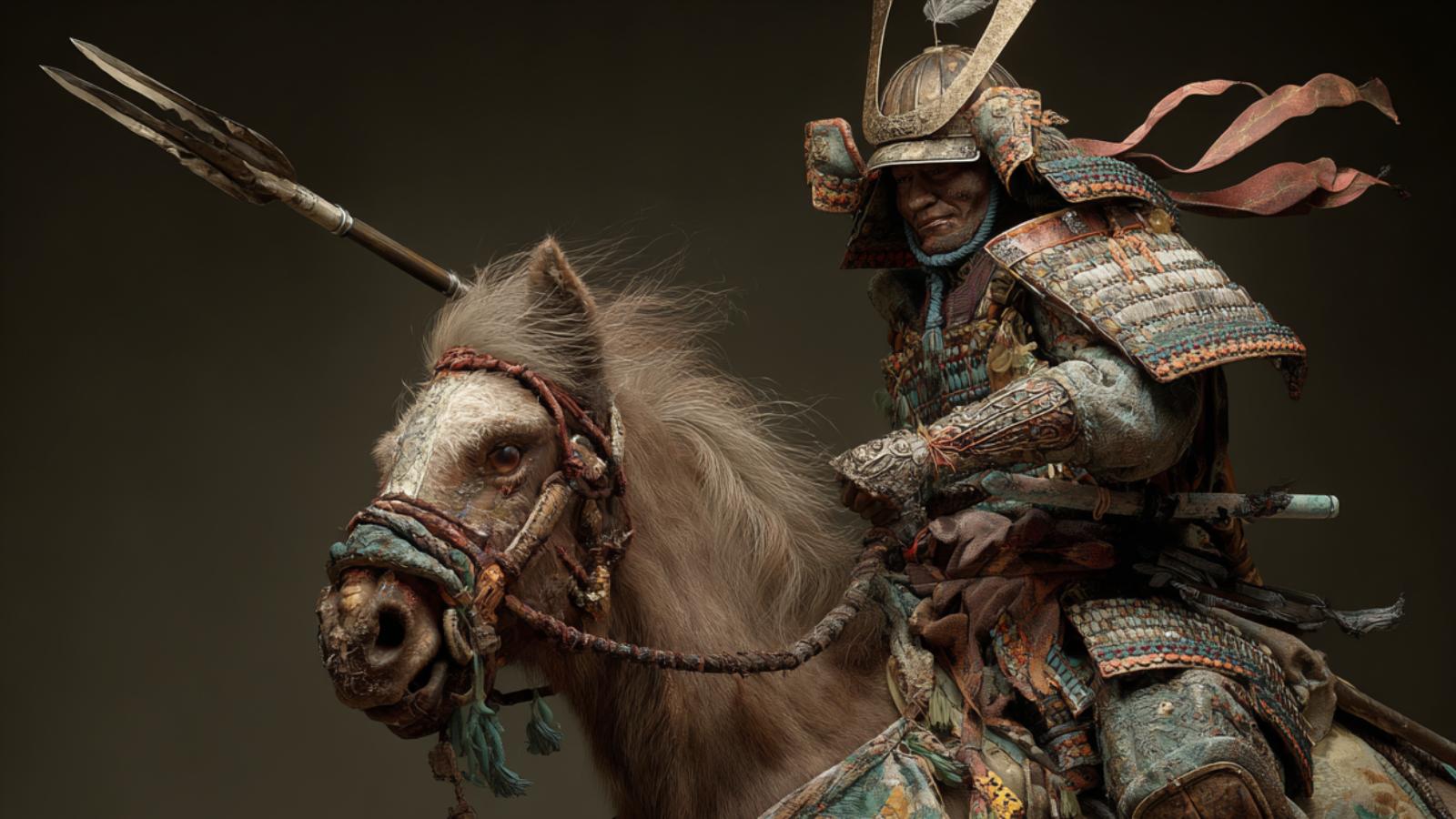
“我が剣は天に向かって振るわん。”
— My sword will swing towards the heavens.

| Lead 統率 |
Valor 武勇 |
Intel 知略 |
Pol 政治 |
|---|---|---|---|
| 75 | 85 | 70 | 65 |
| Name (JP) | 前田 慶次 |
|---|---|
| Title | Samurai |
| Clan / Force | Maeda Clan |
| Era | 1543 – 1612 |
| Origin | Echizen |
| Key Battles | |
| Arts | Noh Theatre |
About Maeda Keiji
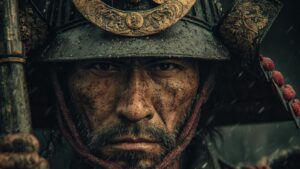
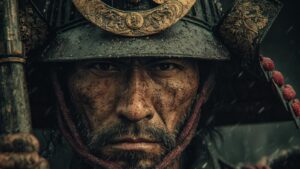
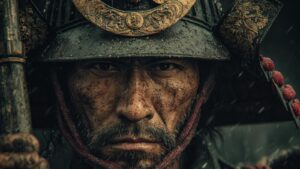
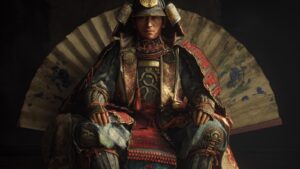
His upbringing was steeped in the martial traditions of samurai culture, and it was clear from an early age that Keiji possessed a unique blend of charisma, bravery, and skill.
While not born into the highest echelons of samurai nobility, his determination and fervor quickly set him apart from his peers.
Keijis to prominence began in the tumultuous periods of the late Sengoku era, a time characterized by constant warfare and shifting alliances.
He served under various lords, showing exceptional valor in battle.
Notably, his martial excellence was paired with a distinct sense of honor and loyalty, which won him the respect of his contemporaries.
It is said that he often fought with a generous spirit, choosing to protect the weak and maintain a code of chivalry, which endeared him to the people and allied samurai alike.
Throughout his career, Keiji participated in numerous significant, demonstrating his skill and bravery.
His reputation for personal combat was legendary, often leading from the front and inspiring his troops through sheer determination.
His most notable engagements were during the campaigns of the Takeda and Uesugi clans, leading to his secure place in history as a formidable samurai.
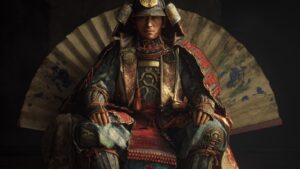
His dual role as both a warrior and a performer allowed him to emthe very essence of samurai culture, combining martial prowess with an appreciation for the arts and aesthetics of his time.
Maeda Keijis endures as a symbol of the explosive spirit of the samurai.
He represents the ideal of a warrior who balances strength and integrity, and his life is often romanticized in literature and performance arts.
Even after his death in 1612, he has remained a popular figure in Japanese folklore, illustrating the timeless qualities of bravery and loyalty that originated during the Sengoku period.
comment