
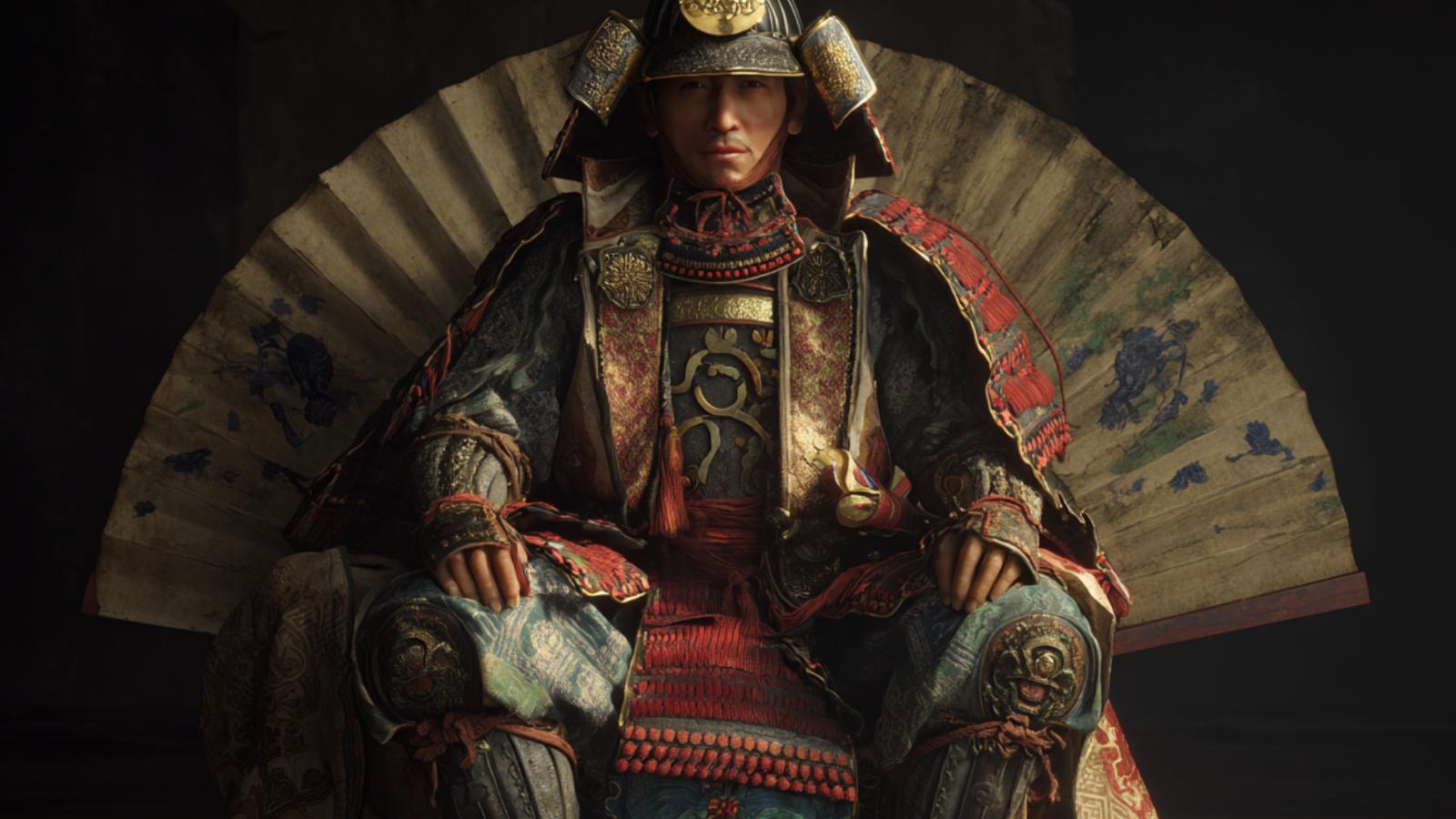
“武士は自らを磨くことに生きる。”
— A samurai lives to refine himself.

| Lead 統率 |
Valor 武勇 |
Intel 知略 |
Pol 政治 |
|---|---|---|---|
| 71 | 65 | 78 | 72 |
| Name (JP) | 教如 |
|---|---|
| Title | Daimyo |
| Clan / Force | Jōdo Shinshū (Pure Land Sect) |
| Era | 1540 – 1615 |
| Origin | Kazusa |
| Key Battles | |
| Arts | Calligraphy |
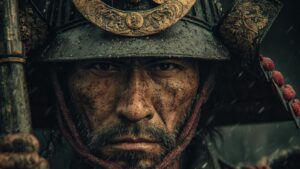
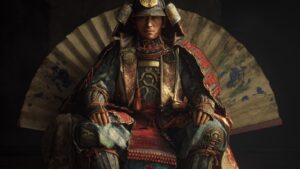
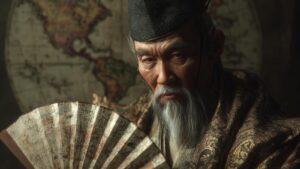
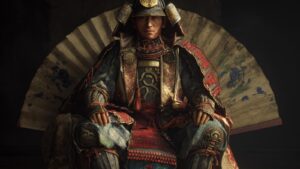
About Kyonyo
Originally part of a noble lineage, he was destined for greatness from an early age.
Trained in both the martial arts and the classic arts, he demonstrated a rare blend of strength and culture that would shape his future.
His parents instilled in him the values of honor and duty, and they hoped he would play a crucial role in his familys .
As a young warrior, Kyonyo quickly made a name for himself in local conflicts, displaying a talent for both combat and strategy.
He gained the trust of local lords, eventually assuming the of daimyo.
His ability to unify his region under his banner was a turning point that allowed him to increase his influence and develop alliances with other prominent leaders.
Throughout the 1570s, he engaged in numerous campaigns that showcased his tactical ingenuity, allowing him to expand his territory significantly.
Kyonyos military engagements were marked by a series of successful campaigns against rival factions in the Kanto region.
One of his notable was the Siege of Koga, where his strategic positioning and use of terrain turned the tide in his favor.
His forces, though outnumbered, displayed exceptional valor and discipline under his command, leading to a decisive victory.
He also participated in the later of the Sekigahara campaign, where his reputation as a capable general solidified further, even though the outcome of the war did not favor him directly.
Kyonyos is one of honor, courage, and the arts.
Beyond his military achievements, he was a patron of the arts, particularly calligraphy, and promoted education among his retainers.
His understanding of governance helped stabilize his domain, influencing the region long after his death in 1615.
Today, Kyonyo is remembered as a capable general of the Sengoku period, whose strategic mind and cultural contributions left a lasting imprint on Japanese history.
comment