
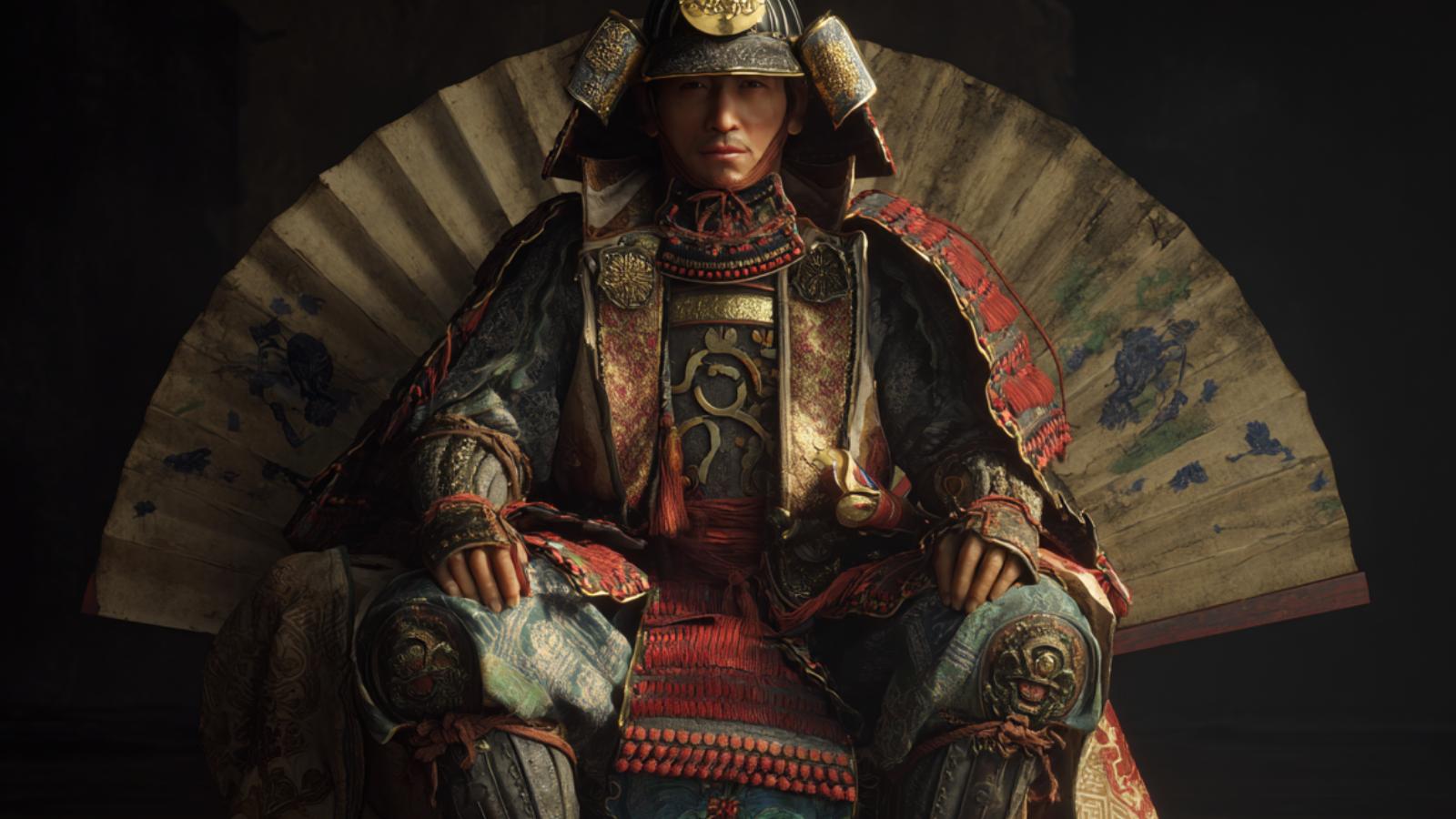
“歴史の中では、勝ちよりも負けて学ぶことが多い。”
— In history, there is often more to learn from loss than from victory.

| Lead 統率 |
Valor 武勇 |
Intel 知略 |
Pol 政治 |
|---|---|---|---|
| 75 | 70 | 72 | 65 |
| Name (JP) | 京極 高吉 |
|---|---|
| Title | Daimyo |
| Clan / Force | Ashikaga Clan |
| Era | 1540 – 1610 |
| Origin | Yamato |
| Key Battles | |
| Arts | Poetry |
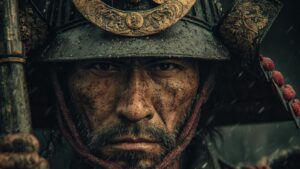
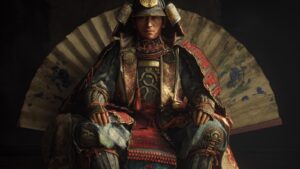
About Kyogoku Takayoshi
He hailed from the Shugo lineage, a family of military governors in feudal Japan.
His early years were marked by the tumultuous conflicts of the Sengoku period, shaping his ambitions and skills in leadership.
He was educated in the ways of the samurai and developed a passion for poetry, which later influenced his character as a leader.
Takayoshi initially served under the powerful daimyo, Takeda Shingen.
His loyalty to Shingen proved beneficial as he honed his military strategies and leadership skills.
After the death of Shingen, Takayoshi pledged allegiance to the Tokugawa clan, significantly raising his profile within the political hierarchy.
He managed to gain the trust of notable lords, which allowed him to expand his influence.
His adept political maneuvers earned him respect, and he was eventually elevated to the status of daimyo.
Throughout his military career, Takayoshi participated in several key that defined the era.
His strategic mind was evident during the Battle of Sekigahara in 1600, where he played a critical role in supporting the Tokugawa forces.
Despite the overall defeat of other factions, his calculated movements allowed his troops to evade major losses.
He became known for his ability to inspire loyalty among his troops through both valor in battle and his commitment to their well-being.
Kyogoku Takayoshis is characterized by his blend of martial and cultural pursuits.
He was not only a capable military leader but also a patron of the arts, particularly poetry.
His quote, In history, there is often more to learn from loss than from victory, reflects his understanding of the complex nature of warfare and governance.
He passed away in 1610, leaving behind a of intelligence and loyalty that is remembered in samurai history.

comment