
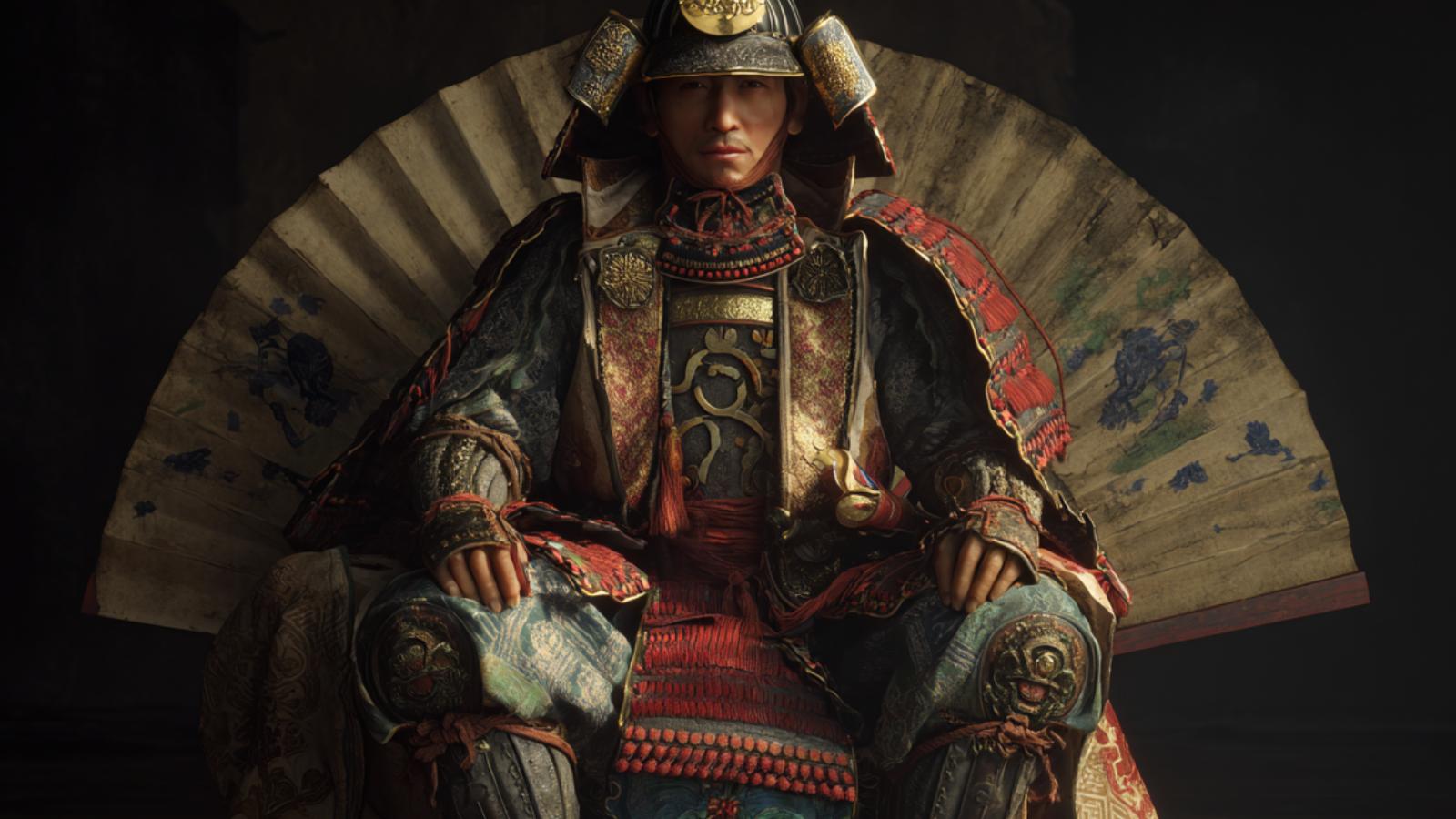
“武士の道は義にあり。”
— The way of the samurai lies in righteousness.

| Lead 統率 |
Valor 武勇 |
Intel 知略 |
Pol 政治 |
|---|---|---|---|
| 70 | 75 | 80 | 65 |
| Name (JP) | 京極 高次 |
|---|---|
| Title | Daimyo |
| Clan / Force | Kyogoku Clan |
| Era | 1560 – 1620 |
| Origin | Shimane |
| Key Battles | |
| Arts | Noh Theater |
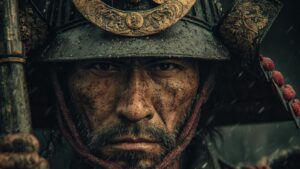
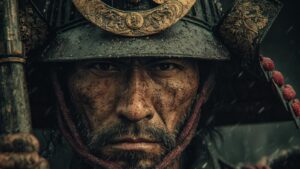
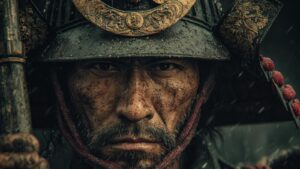
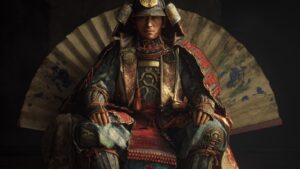
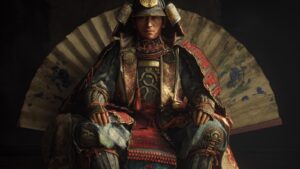
About Kyogoku Takatsugu
He belonged to the Kyogoku clan, a family with ties to the powerful shugo class.
Takatsugus was marked by the constant conflicts of the Sengoku period, shaping him into a capable warrior and a keen strategist.
At a young age, he was trained in the arts of war and governance, preparing him for his future role as a leader.
Takatsugu gained prominence in the late 16th century, serving under the powerful daimyo Toyotomi Hideyoshi.
His skills in battle and diplomacy earned him a reputation as a reliable retainer.
Following the death of Hideyoshi, Takatsugu navigated the turbulent political landscape of Japan, aligning himself with various factions, including Tokugawa Ieyasu.
His ability to maintain his clans influence during these changing times demonstrated his political acumen and adaptability.
Throughout his career, Kyogoku Takatsugu participated in several key during the Sengoku period, showcasing his valor and leadership abilities.
Notably, he fought in the Siege of Odawara and the Battle of Sekigahara, where his tactical decisions played a crucial role in the outcomes.
His experience in these conflicts not only solidified his reputation as a competent leader but also highlighted his dedication to his lord and clan.
Kyogoku Takatsugus endures through his contributions to the arts and culture during his rule as daimyo.
He was a patron of Noh theatre, promoting this traditional art form in his domain.
His commitment to both military and cultural endeavors made him a well-rounded figure of his time, respected by both his peers and the common folk.
Takatsugu passed away in 1620, leaving behind a of honor and artistry that would influence future generations of samurai.
comment