
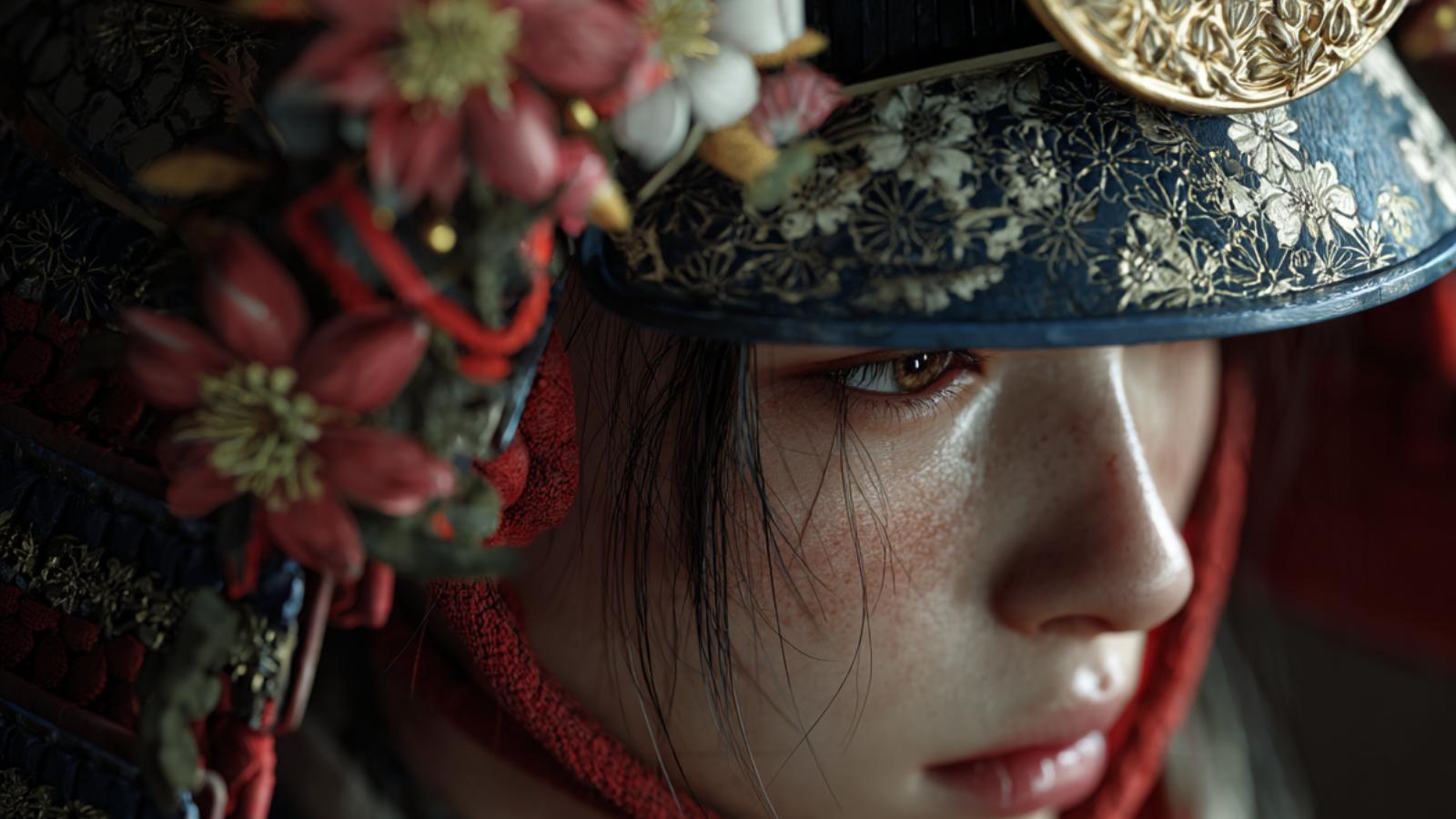
“思考する者が勝つ。”
— He who thinks wins.

| Lead 統率 |
Valor 武勇 |
Intel 知略 |
Pol 政治 |
|---|---|---|---|
| 73 | 67 | 78 | 72 |
| Name (JP) | 京極 マリア |
|---|---|
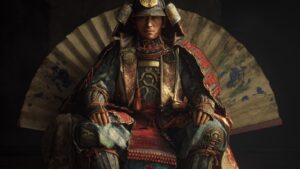
| Title | Daimyo |
| Clan / Force | Unknown |
| Era | 1570 – 1641 |
| Origin | Omi |
| Key Battles | |
| Arts | Noh Theatre |
About Kyogoku Maria
Growing up in a time of constant conflict, she was exposed to the art of warfare and the intricacies of governance from an early age.
Her lineage as a Shugo positioned her well within the feudal society, and she embraced the expectations of her role with determination.
Maria was not just a noble; she was a keen observer of the fought around her, absorbing lessons that would later inform her strategic prowess.
Marias to prominence began in her twenties when she took command during a crucial conflict between her clan and a rival faction.
Her ability to rally her troops and implement effective strategies earned her respect among her peers and solidified her status as a capable leader.
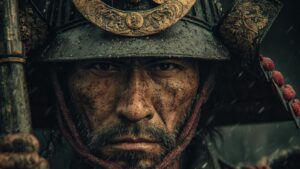
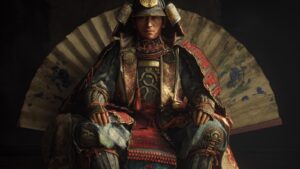
Unlike many women of her time, Maria refused to stay in the shadows; she donned armor and led her forces into battle, showcasing her valor and challenging gender norms prevalent in the samurai class.
Her reputation quickly spread across the region, and she became a significant player in the power dynamics of the period.
Throughout her military career, Maria fought in numerous, employing clever tactics that often turned the tide in her favor.
Her innovative strategies blended traditional samurai combat techniques with unique approaches that made her forces unpredictable to enemies.
One of her notable victories came during the Siege of Nagahama, where she successfully defended her territory against overwhelming odds.
Marias leadership and courage in the face of adversity not only established her as a skilled warrior but also as a beloved figure among her troops, who referred to her as their Lady General.
Marias persists well beyond her lifetime; she played a vital role in reshaping the expectations of women in the samurai era.
Her success in battle and governance inspired future generations, showcasing that leadership and bravery know no gender.
After her death in 1641, her contributions to the unification of the Omi province and her pioneering spirit as a female warrior continued to be celebrated in Japans historical narratives.
Despite the societal constraints of her time, Kyogoku Maria remains an enduring symbol of strength and tenacity in Japanese history.
comment