
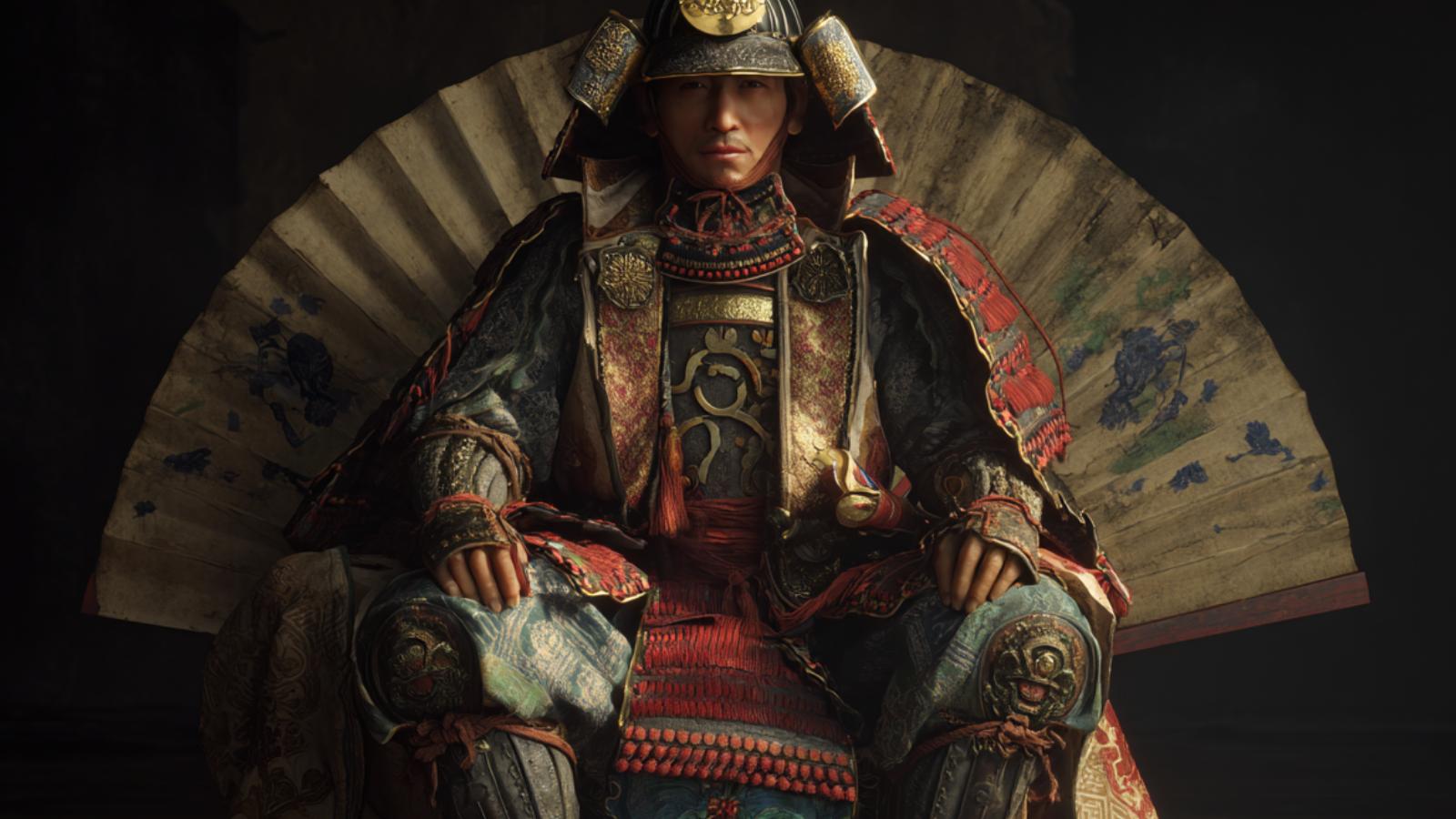
“艱難を共にし、栄光を共にする。”
— Share the hardships, share the glory.

| Lead 統率 |
Valor 武勇 |
Intel 知略 |
Pol 政治 |
|---|---|---|---|
| 75 | 70 | 80 | 60 |
| Name (JP) | 来島 通総 |
|---|---|
| Title | Daimyo |
| Clan / Force | Mōri Clan |
| Era | 1546 – 1586 |
| Origin | Shikoku |
| Key Battles | |
| Arts | Ikebana |
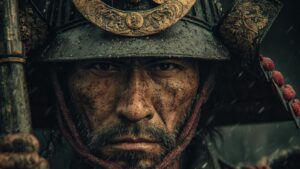
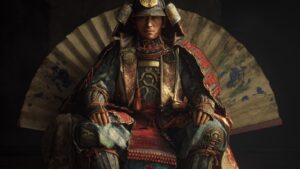
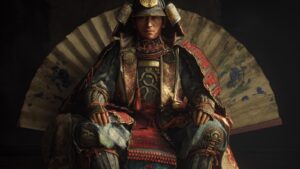
About Kurushima Michifusa
Growing up in a prominent family of shugos, he was steeped in the traditions of samurai culture and warfare from an early age.
His education included martial arts training and lessons in administration, preparing him for future leadership roles.
As a member of the Kurushima clan, Michifusa was expected to uphold his family’s honor and survived through various conflicts that marked the era.
After proving himself in several local conflicts, Michifusa rose to prominence when he forged alliances with major clans, including the Chosokabe clan.
His capability in leadership was characterized by his ability to unite troops and manage resources effectively.
His reputation as a competent tactical leader began to attract the attention of more powerful daimyos, leading to offers of cooperation in larger campaigns against mutual enemies.
Through his various engagements, he built a network of alliances which solidified his position as a noteworthy player in the shifting power dynamics of Japan during the 16th century.
Michifusa participated in numerous campaigns, showcasing both valor and strategic intelligence.
Notably, he played a pivotal role in the Siege of Takamatsu and various against the Ikko-Ikki factions.
His tactical decisions often turned the tide of conflict in favor of his allies, earning him respect both from friends and foes alike.
However, his political acumen was sometimes questioned, leading to instability in alliances he formed.
Michifusa continued to strive for greatness and recognized the importance of careful diplomatic relationships to thrive amidst the ongoing warfare.
Kurushima Michifusas is one of skilled leadership and dedication to his clan, often seen as a capable, though sometimes overshadowed, figure among the warlords of his time.
His commitment to his allies and his fierce independence made him a respected daimyo, though his political maneuvers were not always successful.
Michifusas life came to an end in 1586, but his influence encapsulates the essence of the Sengoku period, revealing the complexities of loyalty, warfare, and governance in feudal Japan.
comment