
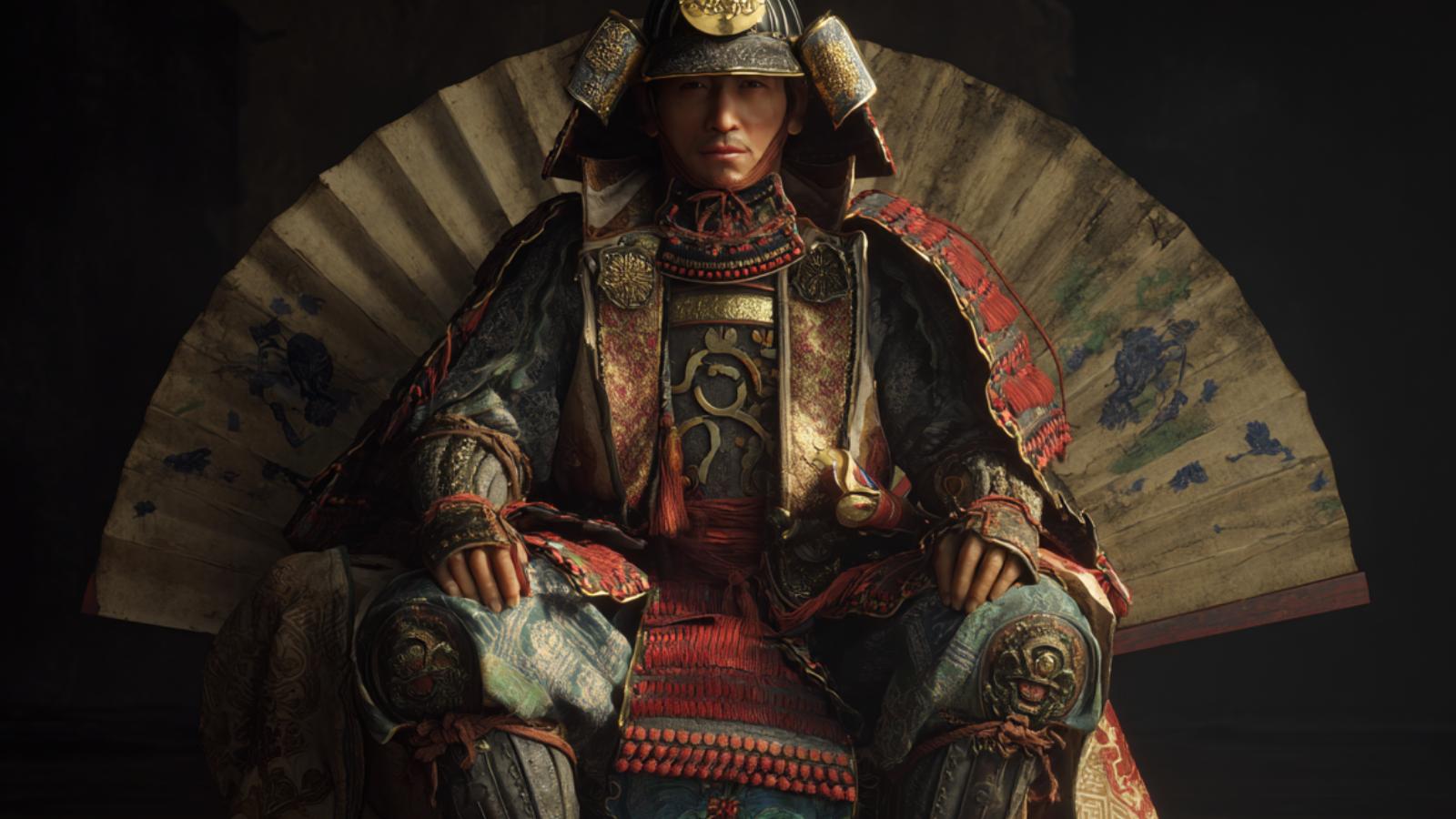
“戦は心の勝負だ。”
— The battle is a contest of the heart.

| Lead 統率 |
Valor 武勇 |
Intel 知略 |
Pol 政治 |
|---|---|---|---|
| 65 | 70 | 60 | 70 |
| Name (JP) | 九戸 政実 |
|---|---|
| Title | Daimyo |
| Clan / Force | Nanbu Clan |
| Era | 1506 – 1574 |
| Origin | Mutsu |
| Key Battles | |
| Arts | Noh Theatre |
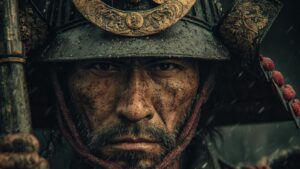
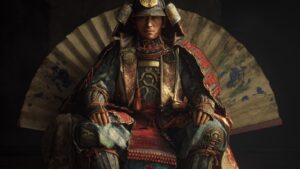
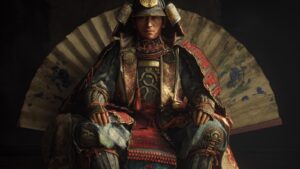
About Kunohe Masazane
He was a member of the Kunohe clan, which was a branch of the Shugo class, responsible for defense and governance.
Masazane grew up amidst the turbulent times of the Sengoku period, where numerous clans struggled for power.
His familys involvement in regional conflicts influenced his early understanding of military strategy and governance.
Masazanes to power began as he aligned himself with the Nanbu clan, a dominant force in Mutsu.
His leadership and valor during various skirmishes against rival clans, such as the Date clan, allowed him to gain recognition.
By demonstrating both military and political skill, he was granted the of daimyo, becoming a significant player in the local power dynamics.
His ability to form alliances and his understanding of regional politics contributed to his in influence.
Throughout his life, Masazane participated in multiple that defined his .
One of the notable engagements was the Nanbu-Uesugi conflict, where he showcased his combat prowess and leadership on the battlefield.
Masazanes strategic insights allowed his forces to navigate complex battle scenarios, although not always victorious.
His valor earned him respect from both his allies and enemies, establishing his reputation as a capable general.
Kunohe Masazanes impact on the Sengoku period extends beyond his military endeavors.
His diplomatic skills helped solidify the Nanbu clans dominance in Mutsu, and his contributions to regional governance laid the groundwork for future political structures.
Despite not achieving the legendary status of some contemporaries, Masazane remains a respected historical figure for his role during a pivotal time in Japans history.
comment