
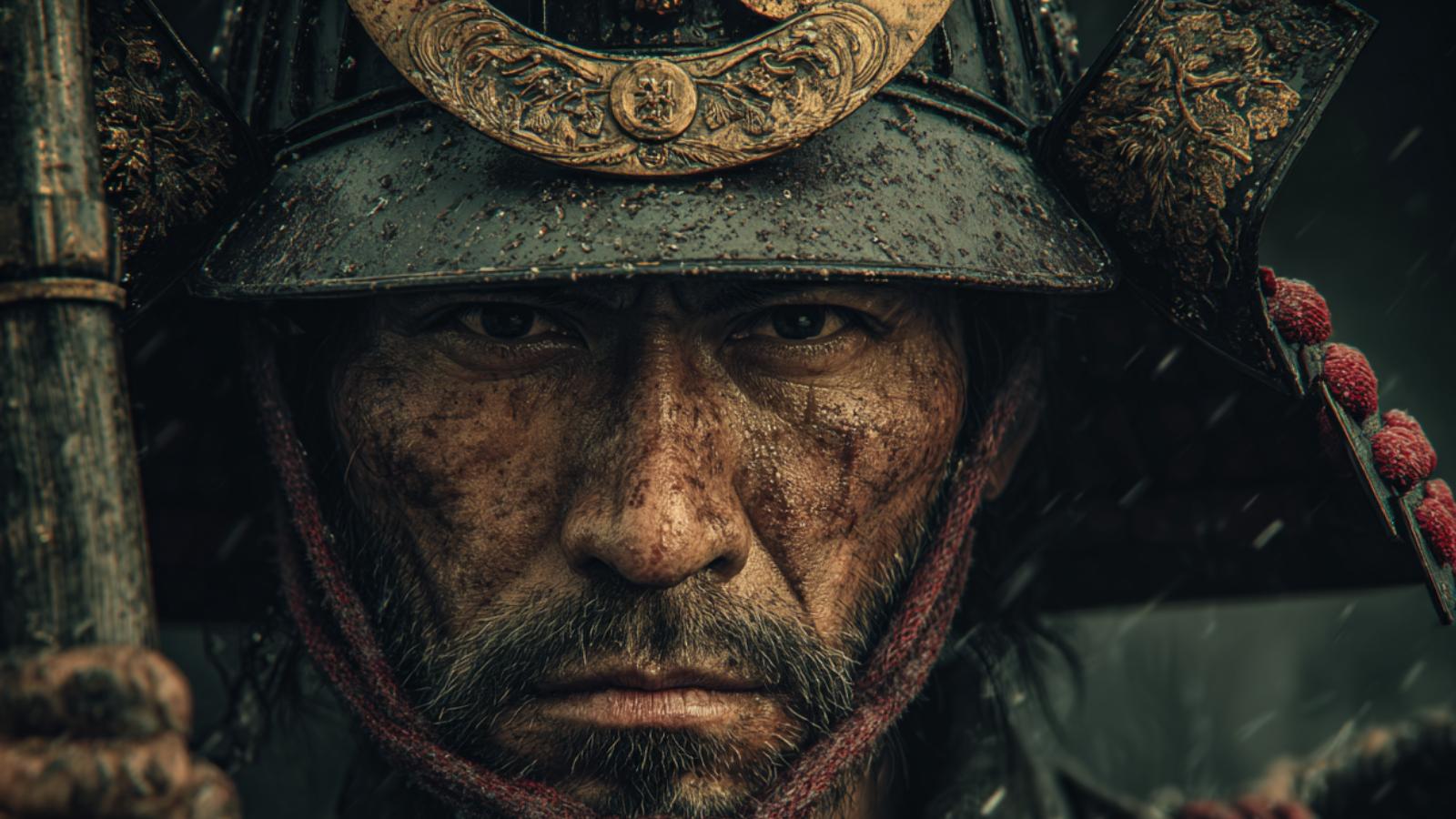
“武士は死なず、ただ盾となる。”
— The warrior does not die, he simply becomes a shield.

| Lead 統率 |
Valor 武勇 |
Intel 知略 |
Pol 政治 |
|---|---|---|---|
| 75 | 80 | 70 | 60 |
| Name (JP) | 熊谷 元直 |
|---|---|
| Title | Kenshi |
| Clan / Force | Minamoto Clan |
| Era | 1141 – 1200 |
| Origin | Musashi |
| Key Battles | |
| Arts | Martial Arts |
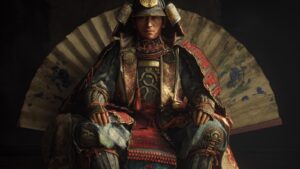
About Kumagai Motonao
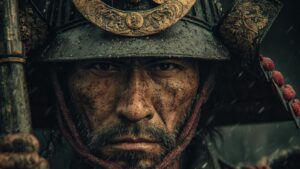
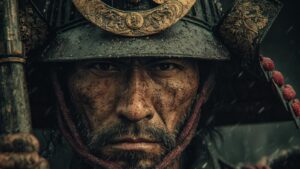
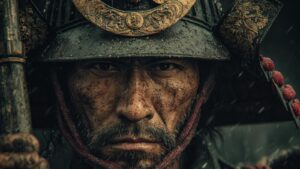
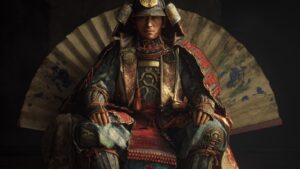
He was born into a samurai family and was raised in the warrior tradition, learning the ways of martial arts from an early age.
His lineage connected him to the great tensions of the late Heian period, paving his path into the tumultuous world of samurai warfare.
Motonaos began during the Genpei War, a conflict between the Taira and Minamoto clans.
He was a skilled warrior, recognized for his strength and speed on the battlefield.
His most fervent moment came when he captured the legendary young warrior, Minamoto no Yoshitsune, during the Battle of Kurikara.
This act solidified his place in history, as his actions would trigger a series of events that would lead to the eventual downfall of the Taira clan.
Throughout the Genpei War, Kumagai fought bravely in several critical, including the famous Battle of Dan-no-ura.
His tactical mind and bravery earned him respect and admiration among his peers and commanded warriors.
While his combat prowess was undeniable, it was his honor and code of conduct that truly defined him as a samurai.
Kumagai Motonao is remembered not only for his martial skills but also for his deep sense of honor and duty.
His continues to inspire many within the samurai culture and is often cited in discussions about the ideals of bushido.
The quote, The warrior does not die, he simply becomes a shield, encapsulates his philosophy and the enduring spirit of the samurai.
comment