
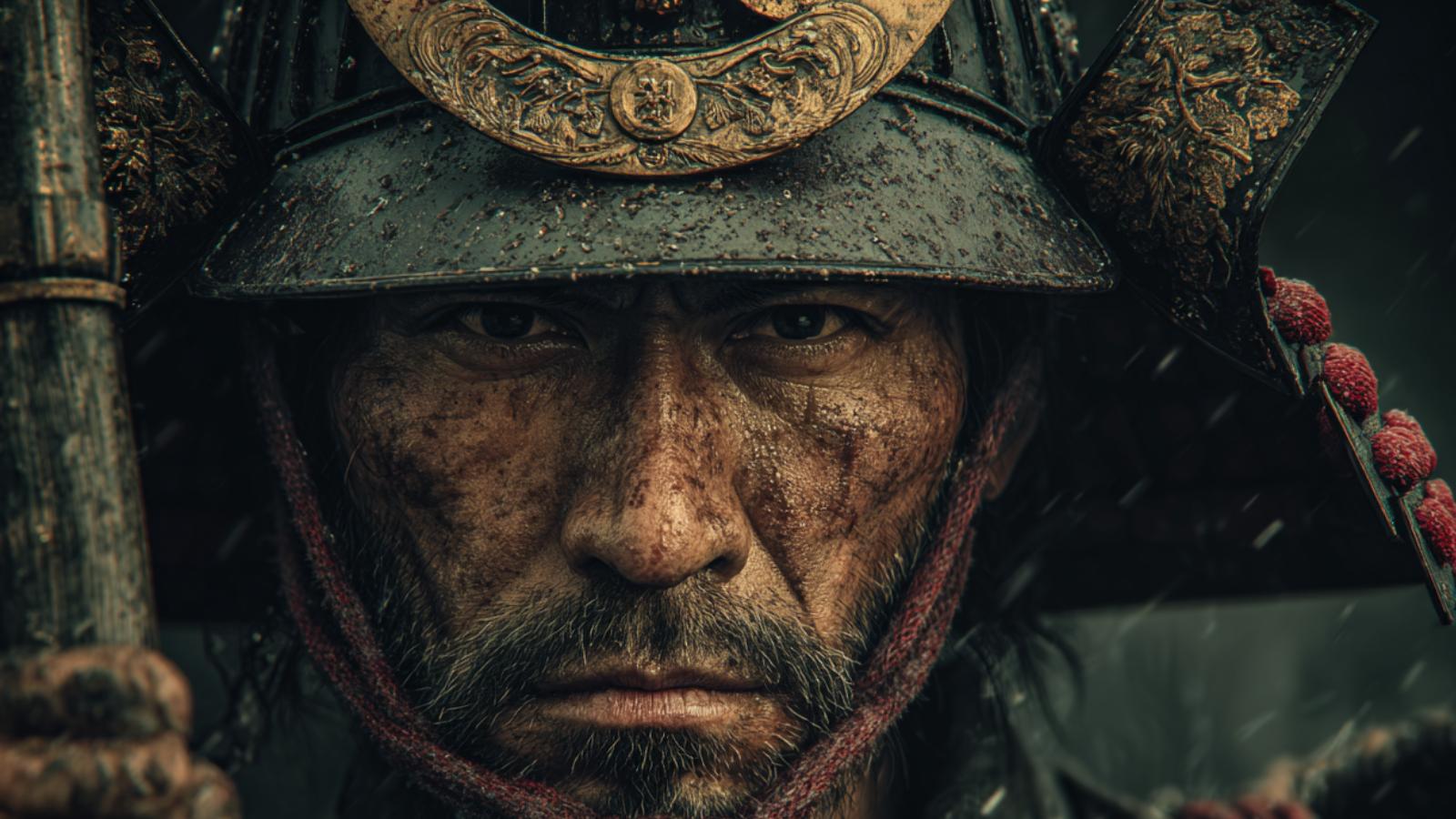
“武士は死を恐れず、名誉を重んじる。”
— A warrior fears not death, but values honor above all.

| Lead 統率 |
Valor 武勇 |
Intel 知略 |
Pol 政治 |
|---|---|---|---|
| 75 | 70 | 80 | 65 |
| Name (JP) | 口羽 通良 |
|---|---|
| Title | Chief Retainer |
| Clan / Force | Unknown |
| Era | 1572 – 1640 |
| Origin | Mutsu |
| Key Battles | |
| Arts | Calligraphy |
About Kuchiba Michiyoshi
Growing up during a tumultuous period in Japanese history, he was trained in the arts of warfare from a young age, honing his skills in both combat and strategy.
Though relatively less known than other prominent figures of his time, his dedication to the samurai code of honor laid the groundwork for his future as a warrior.
As a young samurai, Michiyoshi served under a local lord, quickly gaining recognition for his bravery in .
His leadership ability and tactical intelligence earned him promotions, allowing him to lead troops into skirmishes against rival clans.
Though his was marked by regional conflicts, he built a reputation for reliability and valor, which ensured his lord’s trust., Throughout his career, Michiyoshi participated in several significant, often emerging victorious due to his strategic acumen.
He was particularly known for the strategic maneuvers he employed during the conflicts in the late 16th century against rival daimyos in the North.
His ability to inspire and lead troops made him a key figure in securing crucial victories for his clan, demonstrating a balance of valor and intelligence on the battlefield.
Kuchiba Michiyoshi passed away in 1640, leaving behind a as a capable general and chief retainer who valued honor and loyalty.
While not as legendary as other samurai of his era, his contributions to the stability of his province were significant, and he is remembered for his strategic mind and commitment to his lord.
His life embodies the virtues of the samurai class, influencing future generations of warriors who aspired to uphold the samurai code.









comment