
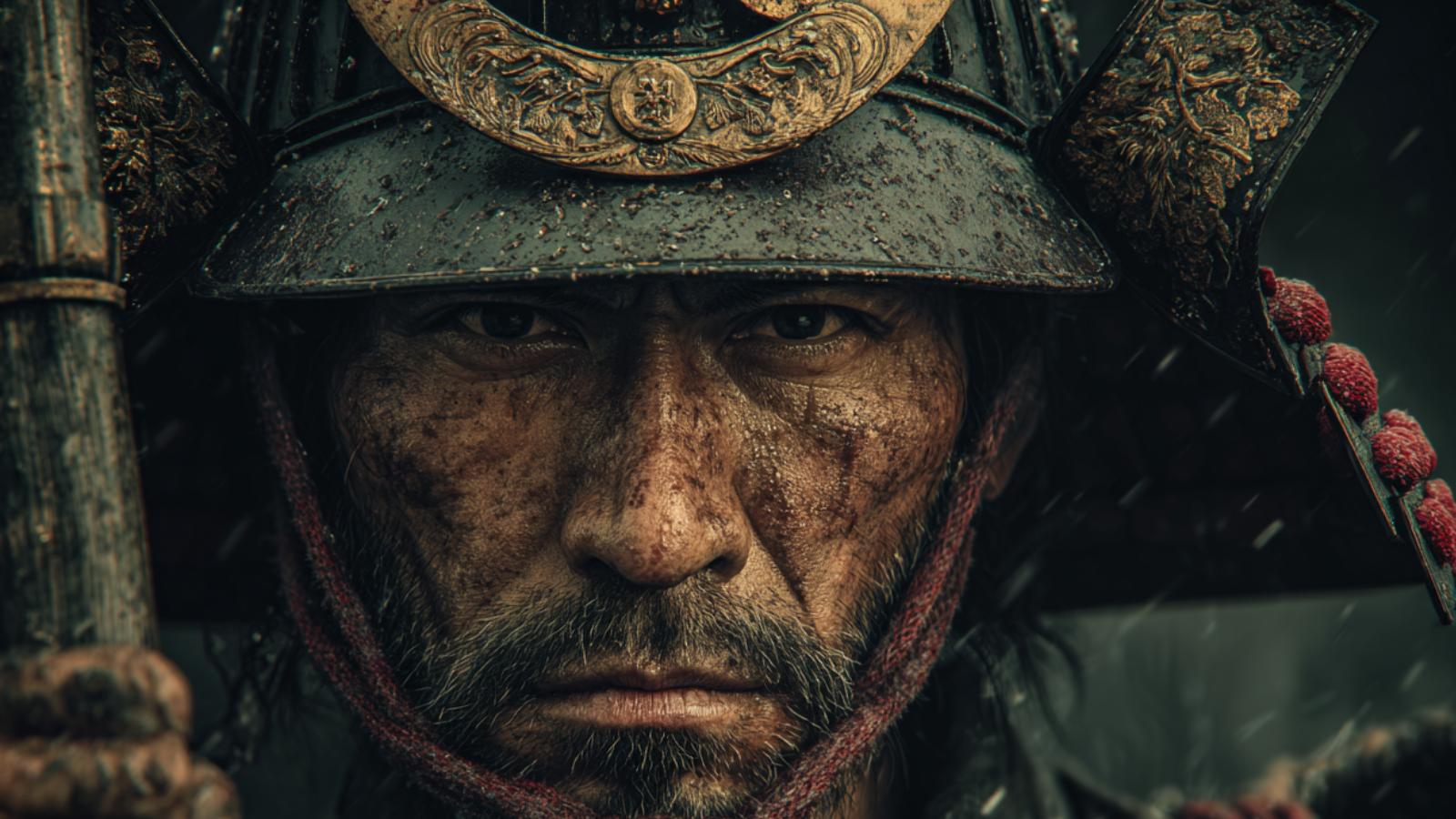
“名はなくとも道は生き続ける。”
— Even without a name, the path continues to live.

| Lead 統率 |
Valor 武勇 |
Intel 知略 |
Pol 政治 |
|---|---|---|---|
| 75 | 60 | 80 | 85 |
| Name (JP) | 近衛 前久 |
|---|---|
| Title | Kuge (Court Noble) |
| Clan / Force | Fujiwara Clan |
| Era | 1465 – 1544 |
| Origin | Kyoto |
| Key Battles | |
| Arts | Poetry |
About Konoe Sakihisa
He received an excellent education, steeped in the arts, particularly in poetry, which would later become a significant aspect of his identity.
As a member of the court, he learned the intricacies of governance and diplomacy, setting the stage for his future role in Japans political landscape., Sakihisas to power coincided with the chaotic years of the Sengoku period.
By the time he became a significant courtier, the political structure of Japan was in flux, and the might of the samurai was increasingly influencing the court.
As a skilled diplomat, he navigated these turbulent waters, working to maintain the balance of power between the warring clans and the imperial court.
His political savvy earned him the of Kuge, elevating his status among the nobility., While Sakihisa was not a general in the traditional sense, he played a crucial role in various conflicts by influencing the strategies and alliances of the court.
He supported the Imperial family in attempts to stabilize the region and managed relationships with powerful daimyos, guiding them through a tangled web of allegiances and betrayals.
His contributions to the political landscape were invaluable, often ensuring that the courts interests were represented even when military options were limited., Konoe Sakihisas is that of a court noble who skillfully balanced the complexities of political and cultural life during one of Japans most transformative periods.
While he may not have commanded armies on the battlefield, his diplomatic efforts and cultural contributions were instrumental in influencing the course of Japanese history.
His life serves as a reminder of the importance of intellect and political maneuvering in times of conflict, solidifying his place in the annals of Japanese history as a capable and revered figure.
comment