
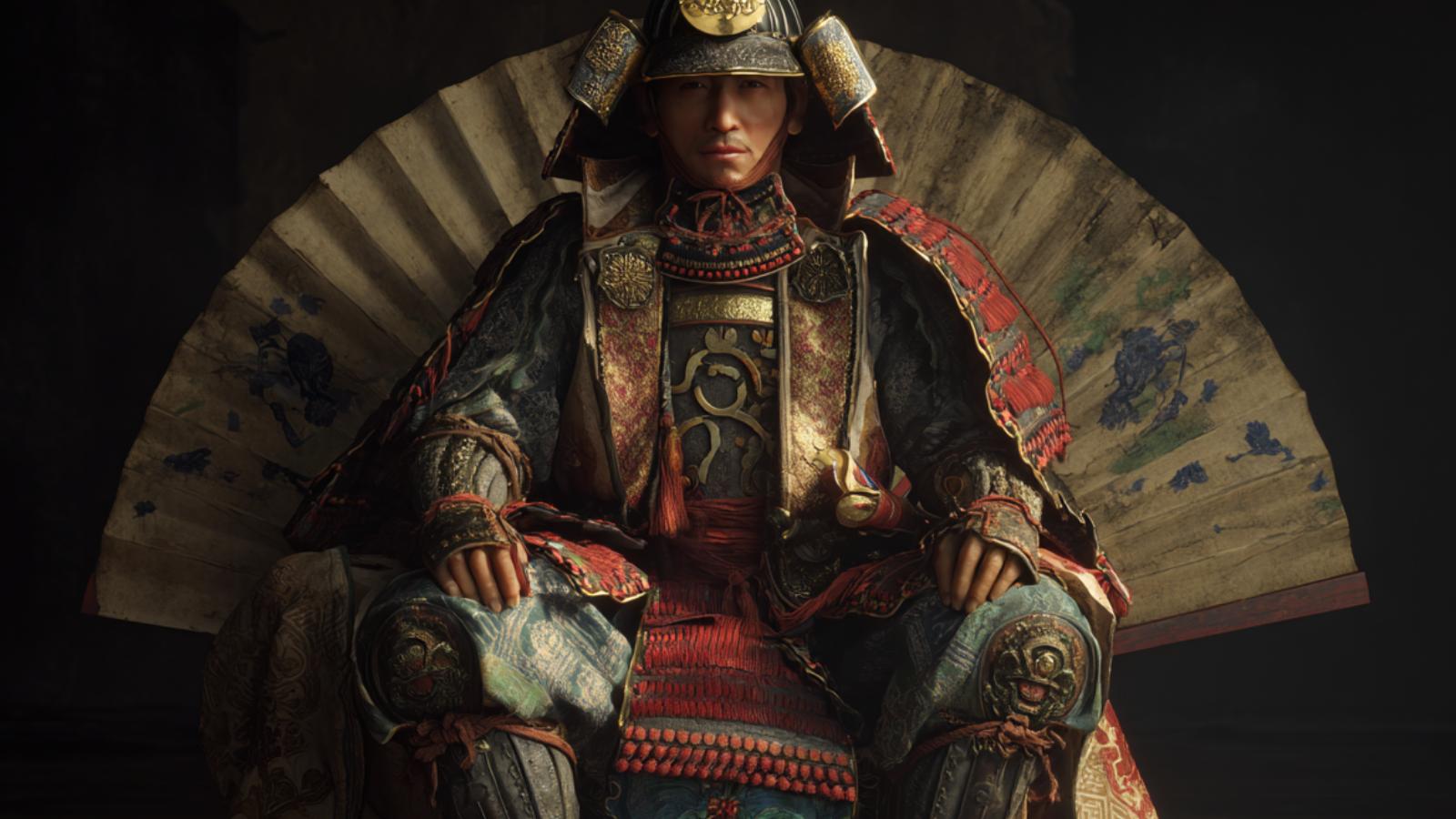
“戦は避けられぬならば、勝利をもたらすために戦う。”
— If war is unavoidable, then fight to bring victory.

| Lead 統率 |
Valor 武勇 |
Intel 知略 |
Pol 政治 |
|---|---|---|---|
| 72 | 68 | 75 | 70 |
| Name (JP) | 河野 通宣 |
|---|---|
| Title | Daimyo |
| Clan / Force | Uesugi Clan |
| Era | 1565 – 1635 |
| Origin | Bizen |
| Key Battles | |
| Arts | Noh Theatre |
About Kono Michinobu
He belonged to a samurai family with a rich heritage, which laid the groundwork for his future as a military leader.
From a young age, Michinobu was trained in the arts of warfare and strategy, showing promise in both leadership and combat.
His upbringing instilled in him the values of loyalty and honor, which would shape his character and guide his decisions later in life.
As Michinobu matured, he became known for his tactical acumen and ability to manage troops effectively.
His leadership emerged during the conflicts for control among various daimyōs, and he quickly rose to prominence, demonstrating skill in both battlefield tactics and governance.
His ability to navigate the complexities of war and politics caught the attention of powerful figures, leading to his eventual appointment as a daimyō.
While not as famous as other generals of his time, Michinobu’s contributions were crucial in maintaining stability in his province and supporting the wider efforts for unification under emerging leaders like Toyotomi Hideyoshi.
In his career, Michinobu faced several significant, which tested his mettle and strategic thinking.
He participated in the campaigns aimed at consolidating power in the region and fought bravely to defend his lands against rival lords.
His valor on the battlefield earned him respect, though it was his intelligence in warfare that ultimately defined his .
Despite the fierce competition, Kono Michinobu forged alliances and outmaneuvered adversaries with his understanding of both military tactics and local politics, providing stability in a chaotic era.
Kono Michinobus is marked by his contributions to the unification of Japan and his governance in Bizen.
Although overshadowed by the more prominent figures of the Sengoku period, he remains a respected figure in local history for his commitment to honor, loyalty, and leadership.
His efforts in administration and cultural patronage, including support for Noh theatre, left a lasting impact on the region.
Even after his death in 1635, the influences of his governance style and his initiatives in the arts continued to resonate in Bizen and beyond.









comment