
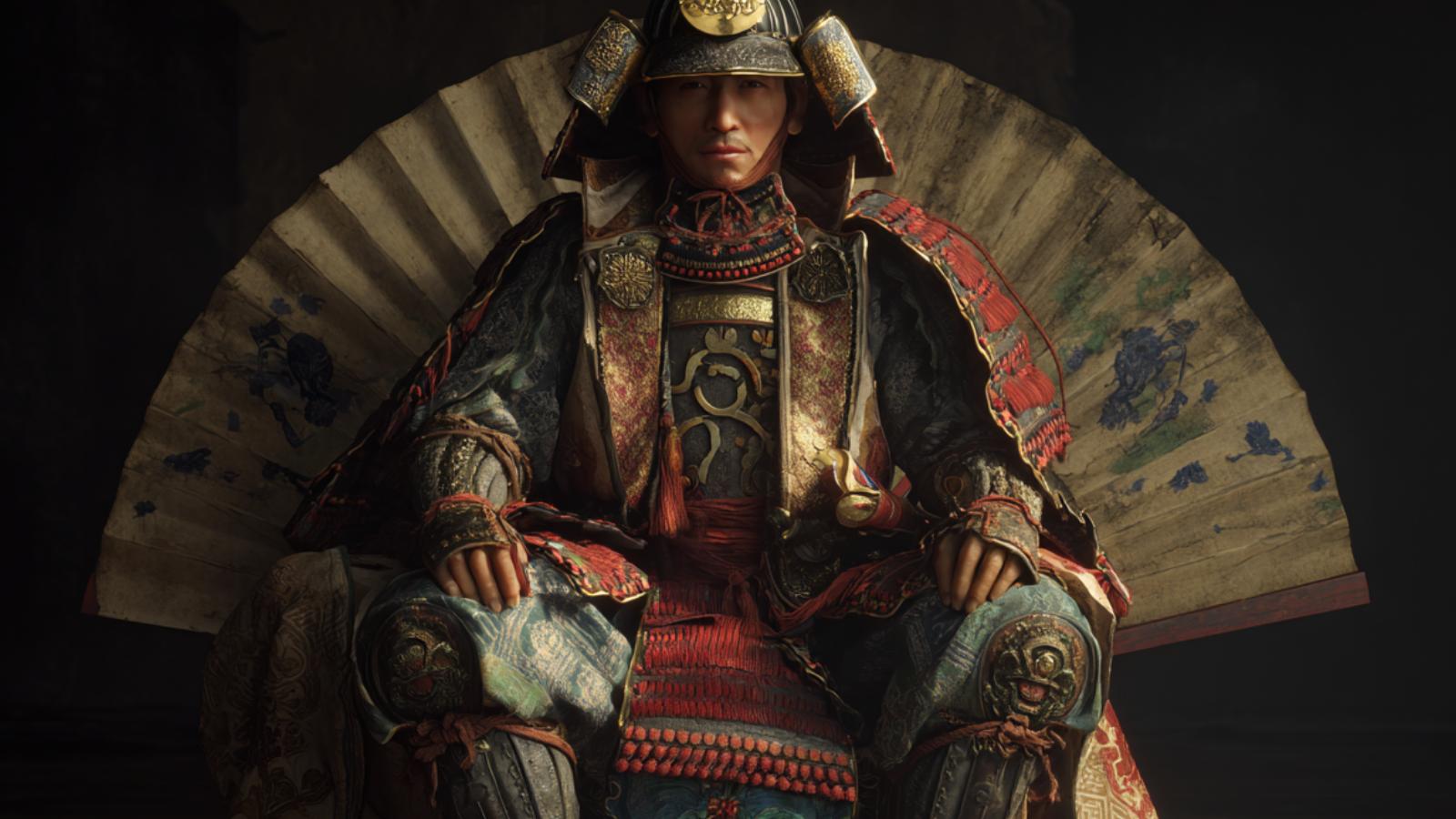
“武士は礼を重んじる。”
— A samurai values honor above all.

| Lead 統率 |
Valor 武勇 |
Intel 知略 |
Pol 政治 |
|---|---|---|---|
| 75 | 70 | 80 | 65 |
| Name (JP) | 小出 吉政 |
|---|---|
| Title | Daimyo |
| Clan / Force | Toyotomi Army |
| Era | 1563 – 1630 |
| Origin | Kōzuke |
| Key Battles | |
| Arts | Calligraphy |
About Koide Yoshimasa
From a young age, he was trained in martial arts and strategy, exhibiting promise as a warrior.
His upbringing was shaped by the political upheaval of the Sengoku period, constantly learning the importance of loyalty and honor in the samurai code.
As he matured, Yoshimasa aligned himself with the powerful Oda clan.
By leveraging his skills in diplomacy and combat, he quickly rose through the ranks, earning the respect of his peers and a reputation as a capable leader.
His boldness during skirmishes in the late 1580s against rival factions solidified his status, and he was eventually elevated to the rank of daimyo, commanding significant respect and authority in the region.
During his military career, Yoshimasa participated in various significant, where he showcased his abilities as a tactician.
His strategies in combat were marked by an understanding of enemy movements and the effective placement of troops.
Notably, he played a role in the campaigns against the Takeda clan, where he exhibited both valor and intelligence in the heat of battle, often leading by example.
His reputation grew not just for his military prowess but also for his calm demeanor under pressure and his willingness to consider the broader picture, making adjustments to strategy as necessary.
Koide Yoshimasas endures through the stories of his honorable conduct and strategic successes.
Even after his death in 1630, he is remembered as a samurai who exemplified the virtues of loyalty and honor.
Yoshimasas influence can still be felt in the accounts of his descendants and the records of various clans that sought to uphold the principles he represented.
Through his commitment to his people and the principles of bushido, Koide Yoshimasa remains a significant figure in the narrative of Japans feudal history.







comment