
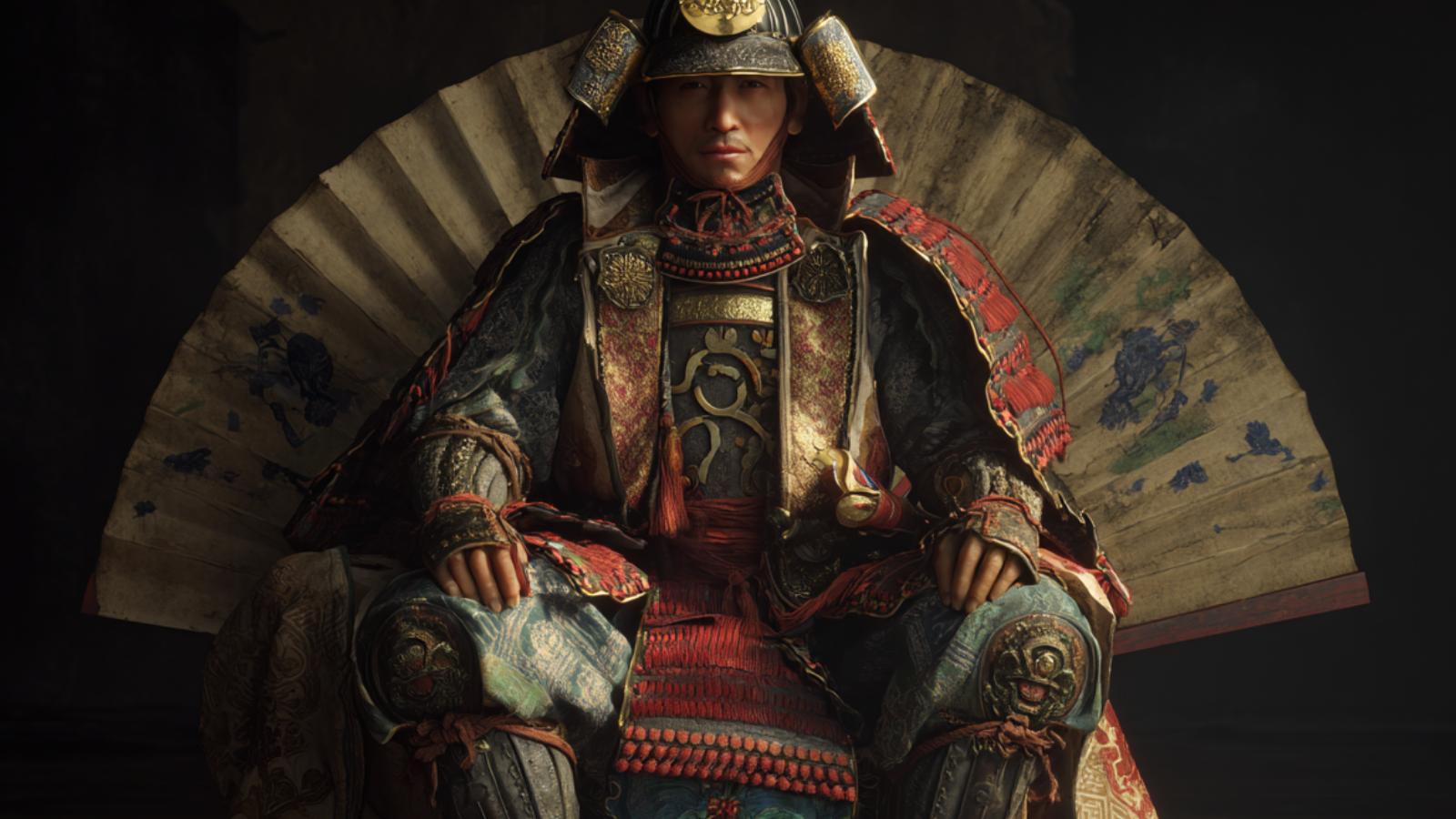
“勝利のためには、常に進むことが大切だ。”
— To attain victory, it is essential to always move forward.

| Lead 統率 |
Valor 武勇 |
Intel 知略 |
Pol 政治 |
|---|---|---|---|
| 85 | 70 | 88 | 80 |
| Name (JP) | 小早川 隆景 |
|---|---|
| Title | Daimyo |
| Clan / Force | Mōri Clan |
| Era | 1533 – 1578 |
| Origin | Chugoku |
| Key Battles | |
| Arts | Noh Theatre |
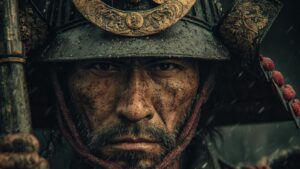
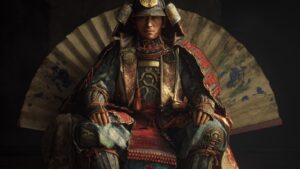
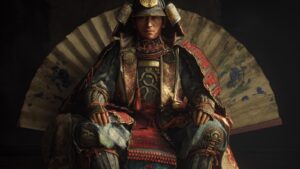
About Kobayakawa Takakage
His lineage as a shugo (military governor) provided him the means to cultivate his military talents from an early age.
Takakage was the adopted son of Kobayakawa Taketoki, and his upbringing was steeped in the rich traditions and political maneuvers of the time., Takakage became a key figure during the turbulent Sengoku period, especially known for his strong alliances and tactical genius.
He initially supported the Motonari clan but later aligned with the powerful Mori clan, showcasing his ability to adapt to the changing tides of war.
His strategic acumen was evident in several conquests, where he demonstrated both skillful battlefield tactics and the ability to manage resources effectively., Throughout his military career, Takakage participated in numerous, showcasing his tactfulness in combat.
His notable engagements include the Battle of Itsukushima in 1555 and the Siege of Takamatsu, where he displayed an exceptional command of forces despite challenges.
Though respected as a skilled commander, his capability in personal combat was overlayed by his preference for strategy and leadership, leading to a balanced yet cautious approach in warfare., Kobayakawa Takakage passed away in 1578, leaving behind a marked by loyalty and intelligence.
His contributions to the policies and military strategies of his time had a lasting impact on the regional politics of the Chugoku area.
His reputation as a competent daimyo continues to resonate in Japanese history, illustrating the intricate dynamics of power during the Sengoku period.
comment