
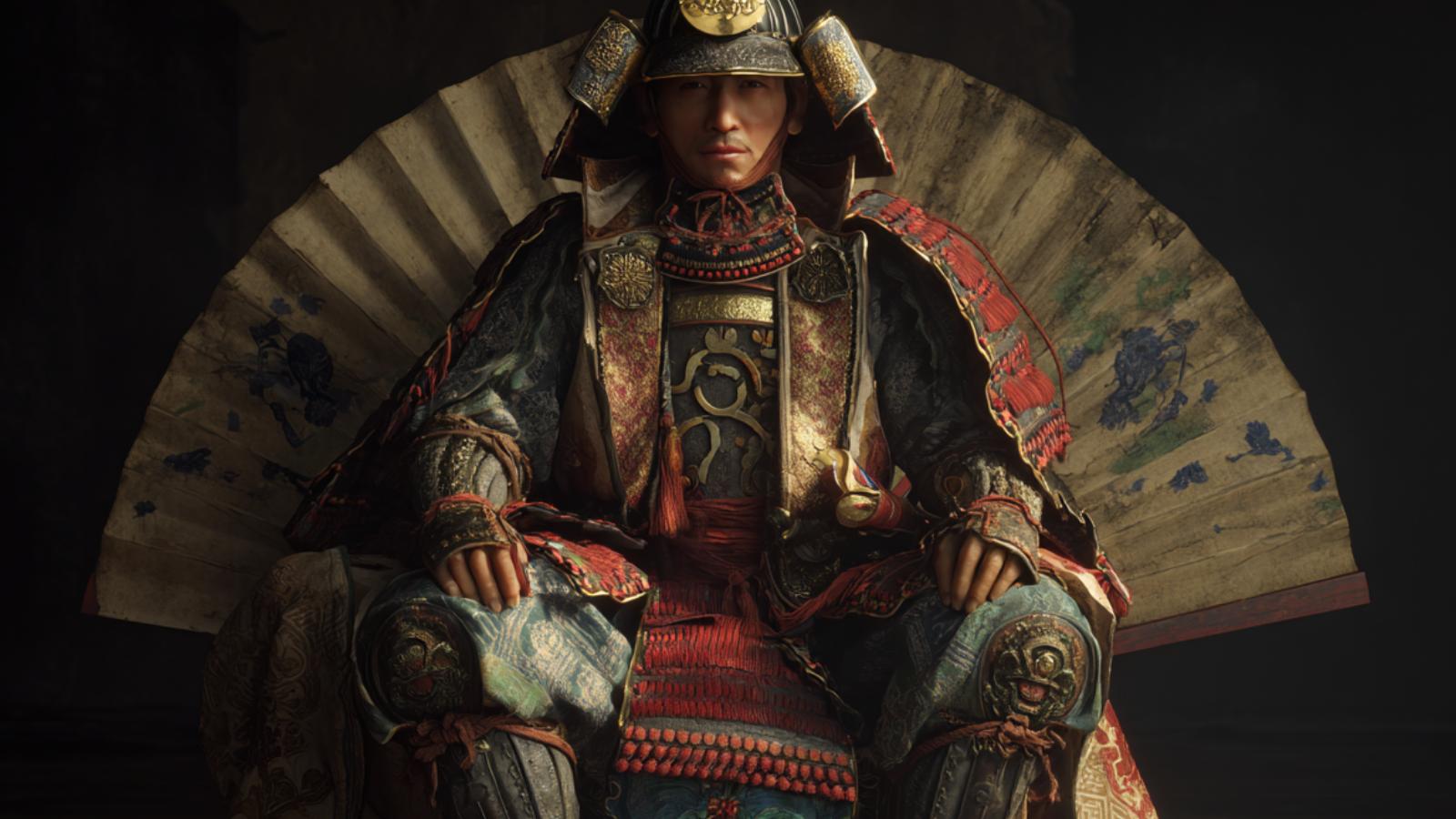
“志を高く持ち続けることが大切だ。”
— It is important to keep one’s aspirations high.

| Lead 統率 |
Valor 武勇 |
Intel 知略 |
Pol 政治 |
|---|---|---|---|
| 70 | 60 | 75 | 65 |
| Name (JP) | 木曾 義昌 |
|---|---|
| Title | Daimyo |
| Clan / Force | Takeda Clan |
| Era | 1543 – 1602 |
| Origin | Kiso |
| Key Battles | |
| Arts | Poetry |
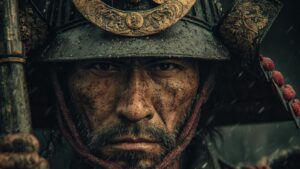
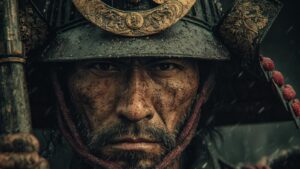
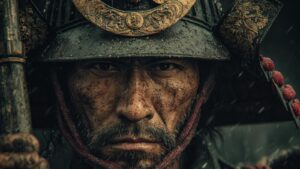
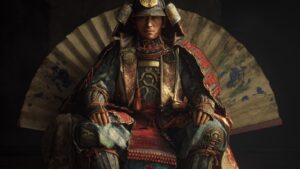
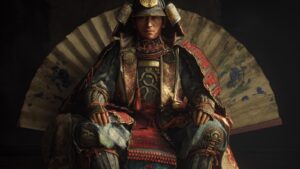
About Kiso Yoshimasa
Raised in the province of Kiso, he was immersed in the samurai culture from a young age.
His family had historical ties to the regions governance, which allowed him to gain insight into both military and political affairs.
Yoshimasa was tutored in the arts of war, strategy, and governance, preparing him for the turbulent times of the Sengoku period.
As a young man, Yoshimasa inherited the of daimyo after the death of his father.
He sought alliances and fostered relationships with powerful clans, notably the Tokugawa and Takeda.
His diplomatic skills became apparent as he navigated these alliances, which were crucial in maintaining his power amidst the chaos of regional conflicts.
He proved his capability as a general, leading his troops in several key skirmishes, although he was often overshadowed by more formidable contemporaries.
Yoshimasa engaged in various throughout his career, including conflicts against the Takeda and Uesugi clans.
While his victories were sometimes limited, his ability to adapt his strategies and reorganize his forces earned him respect among his peers.
His leadership was characterized by a focus on the morale of his troops and ensuring the welfare of his people during the struggles for control over the Kiso province.
Kiso Yoshimasa is often recognized as a capable yet somewhat lesser figure in the pantheon of samurai leaders.
His contributions to the unification efforts during the late Sengoku period have been noted in historical accounts, though he did not achieve the legendary status of those like Oda Nobunaga or Tokugawa Ieyasu.
Yoshimasas dedication to the samurai code and his commitment to his province solidified his, and his poetry reflects the artistic culture of his time.
His quote, 志を高く持ち続けることが大切だ, emphasizes his belief in maintaining high aspirations, which resonates with the enduring spirit of the samurai ethos.

comment