
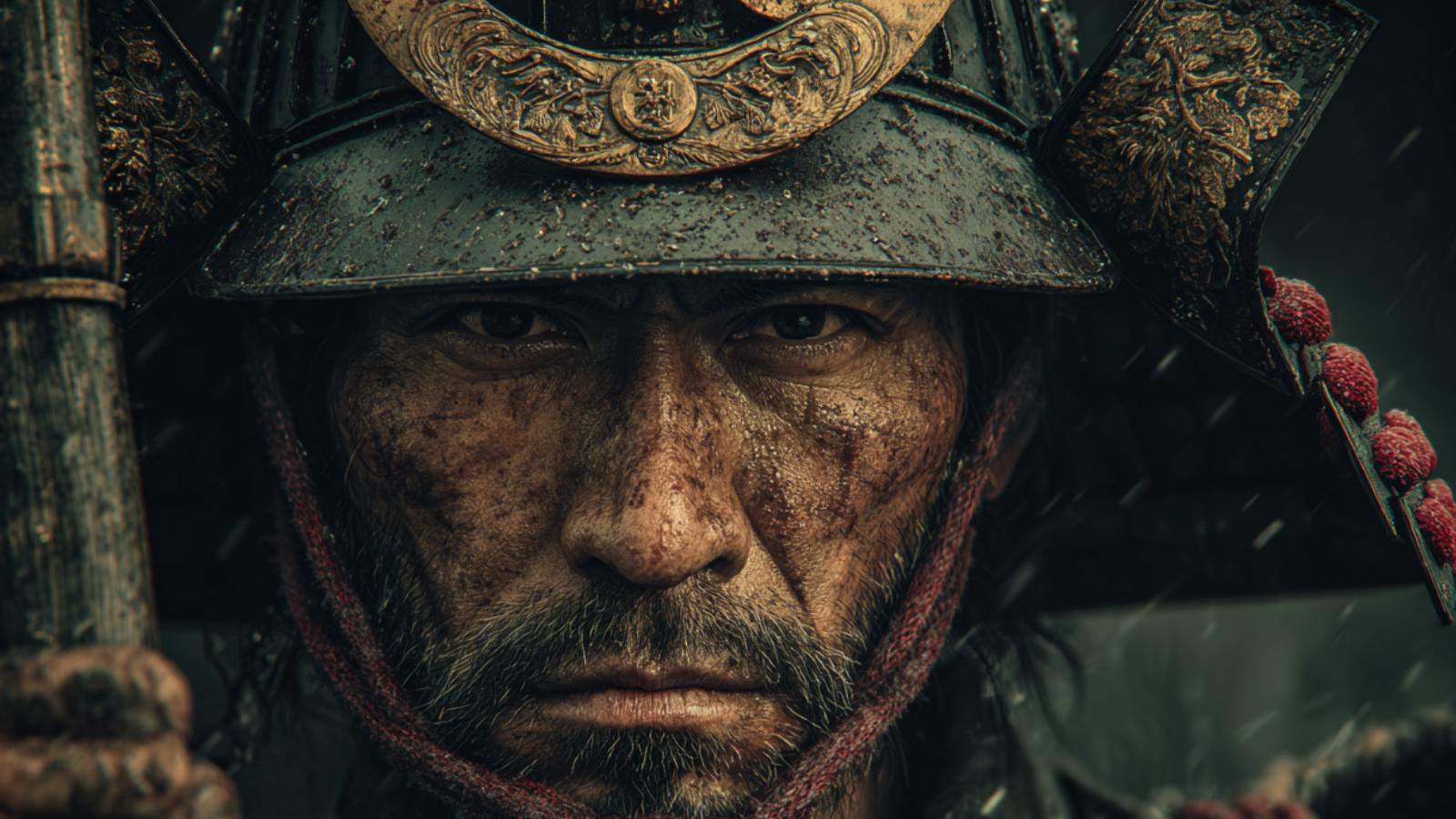
“義を忘れず、仇は忘れよ。”
— Do not forget your righteousness, but do not forget your enemies.

| Lead 統率 |
Valor 武勇 |
Intel 知略 |
Pol 政治 |
|---|---|---|---|
| 55 | 60 | 65 | 50 |
| Name (JP) | 吉良 義央 |
|---|---|
| Title | Hatamoto |
| Clan / Force | Tokugawa Clan |
| Era | 1641 – 1703 |
| Origin | Echizen |
| Key Battles | |
| Arts | Noh Theatre |
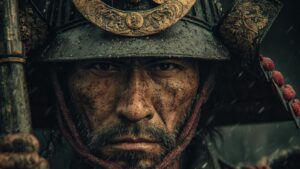
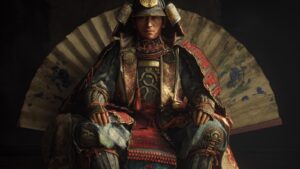
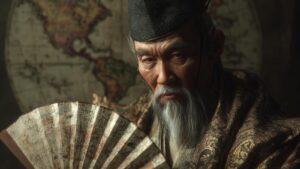
About Kira Yoshinaka
He was raised in a period defined by the stabilization of the Tokugawa shogunate.
His family had a respectable lineage within the samurai class, which afforded him a proper education in martial arts and strategy from a young age.
Yoshinaka began his career in service to the Tokugawa clan, quickly gaining recognition for his political maneuvering and resource management.
He was given the of Hatamoto, a high-ranking samurai who served directly under the shogunate.
His cunning nature showed through his handling of local disputes, although his methods often faced scrutiny.
While some saw his actions as effective governance, others viewed them with disdain, setting the stage for conflict.
Although Kira Yoshinaka did not engage in many significant, his most notable conflict arose from his disputes with the Ako clan.
His involvement in the circumstantial events leading up to the Ako vendetta made him a controversial figure.
His perceived dishonor and mistreatment of Lord Asano Takuminokami Yoshinaka sparked the rebellion from the 47 Ronin, culminating in a historical act of vengeance.
Kiras is often intertwined with the tragic story of the 47 Ronin.
Despite being seen as a villain in the eyes of popular culture, his life reflects the complexities of samurai honor and governance.
His story serves as a reminder of the tensions between duty, honor, and vengeance during the Edo period.
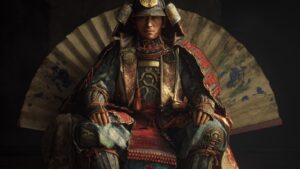
Kira is frequently depicted in various arts and media, eming the darker side of samurai culture.
comment