
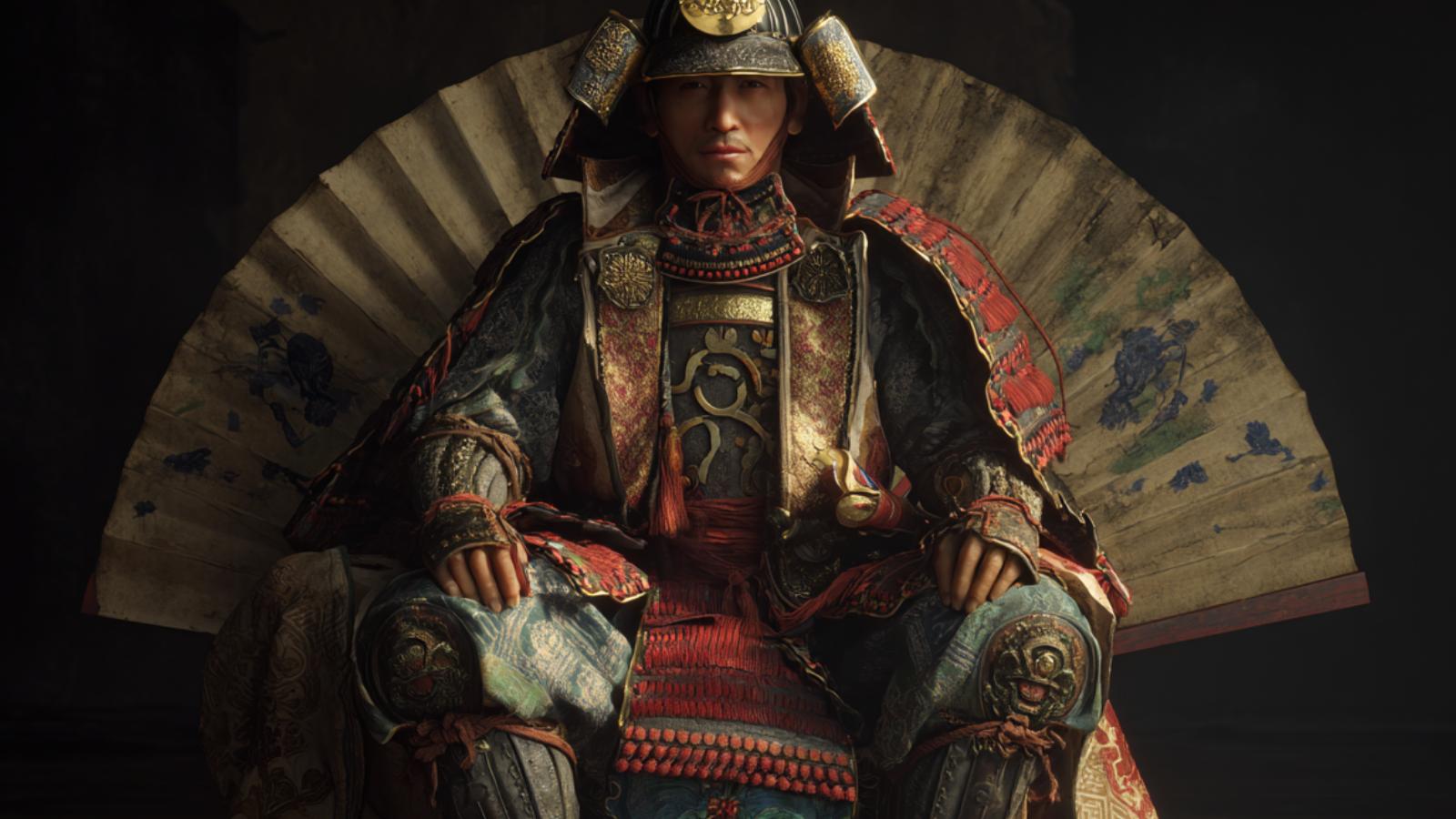
“事を成すには何事も情けが大切だ。”
— To accomplish anything, kindness is essential.

| Lead 統率 |
Valor 武勇 |
Intel 知略 |
Pol 政治 |
|---|---|---|---|
| 65 | 70 | 75 | 60 |
| Name (JP) | 吉良 親貞 |
|---|---|
| Title | Daimyo |
| Clan / Force | Tokugawa Clan |
| Era | 1641 – 1703 |
| Origin | Kii |
| Key Battles | |
| Arts | Kintsugi |
About Kira Chikasada
He was a member of a samurai family that had long served the Tokugawa shogunate.
From an early age, he was trained in the arts of war, strategy, and governance.
His lineage provided him with a solid foundation to through the ranks of the samurai class, and he was recognized for his skills in administration and military tactics.
Chikasada began his career in the service of the Tokugawa shogunate, where he distinguished himself not only as a capable warrior but also as a skilled administrator.
His reputation grew, and soon he was appointed as the Daimyo of a small but strategically significant domain.
His ability to manage resources and command loyalty among his ranks became notable attributes of his leadership style.
Despite his strengths, he would later be embroiled in controversies stemming from his dealings with lower-ranking samurai and his perceived ruthlessness in governance.
Throughout his career, Chikasada participated in several key that showcased his valor and strategic acumen.
His military engagements demonstrated his ability to command troops effectively, with tactics that often leveraged the strengths of his forces against the weaknesses of the enemy.
However, it was his actions during the Akō Incident that would define his, where he was involved in a complex feud that would capture the attention of all of Edo Japan.
His decisions during this time would lead to significant ramifications for the samurai class and the perception of justice in Japan.
Kira Chikasada is often remembered for the Akō Incident, in which the vengeful actions of the loyal retainers of Asano Naganori led to his downfall.
His involvement in this historic event not only marked the end of his career but also initiated discussions about loyalty, honor, and the samurai code.
While many view him as a problematic figure, his life embodies the complexities of samurai culture and governance in a time of profound change in Japan.
Chikasadas is that of a samurai caught between duty and his own downfall, forever etched in the annals of Japanese history.









comment