
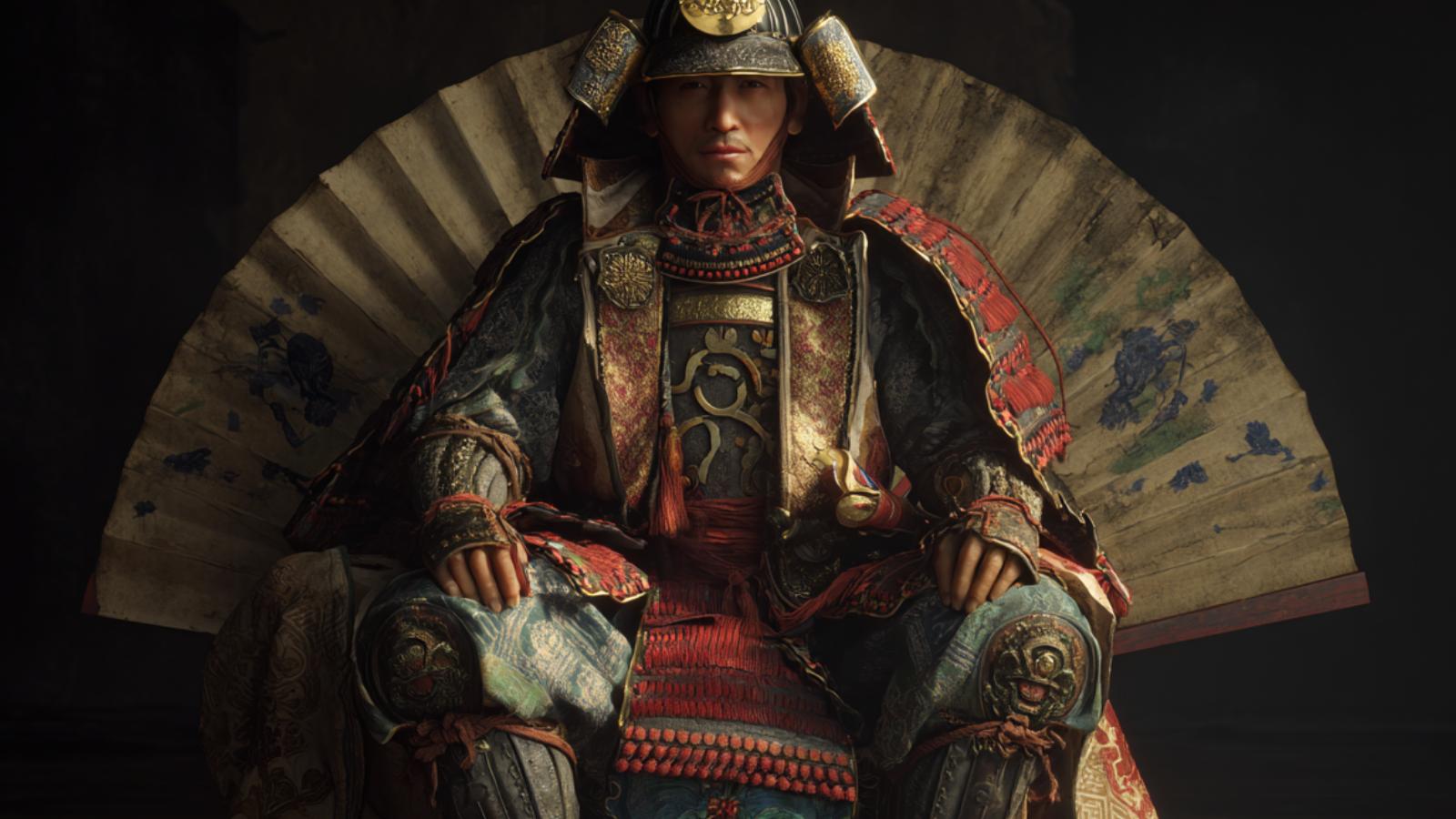
“我が刀は、誠を示すものなり。”
— My sword is a testament to my sincerity.

| Lead 統率 |
Valor 武勇 |
Intel 知略 |
Pol 政治 |
|---|---|---|---|
| 75 | 70 | 80 | 65 |
| Name (JP) | 木下 昌直 |
|---|---|
| Title | Daimyo |
| Clan / Force | Unknown |
| Era | 1543 – 1593 |
| Origin | Bizen |
| Key Battles | |
| Arts | Calligraphy |
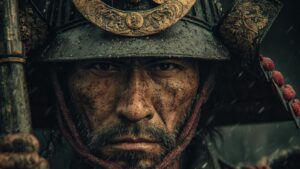
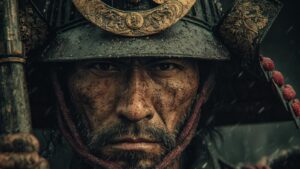
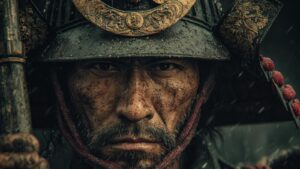
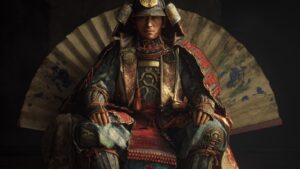
About Kinoshita Masanao
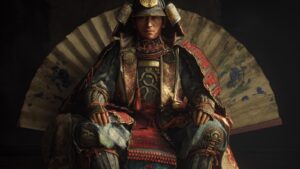
Coming from a samurai lineage, he was raised in a world where honor and combat proficiency were of utmost importance.
He was trained in various martial arts and the bushido code from an early age, laying the foundation for his future as a noteworthy military leader.
During the climactic years of the Sengoku period, Masanao was recognized for his tactical intelligence and valor on the battlefield.
Aligned with powerful clans, he played a pivotal role in various campaigns, gradually gaining the of daimyo.
His capability to manage troops and rally his followers during critical set him apart from his peers, earning him respect in the war-torn landscape of feudal Japan.
Masanaos career was marked by several key, where his strategic deployment of forces often turned the tide in favor of his allies.
Although he faced numerous adversities, his ability to adapt and rethink strategies distinguished him as a capable general.
His personal valor was also noteworthy, engaging in front-line and leading from the vanguard, which inspired his men.
Kinoshita Masanao left a lasting as a competent and honorable leader.
His contributions to the samurai tradition are remembered, not only for his military prowess but also for his dedication to the arts, particularly calligraphy, which demonstrated his refined character.
While he may not have achieved the legendary status of his contemporaries, his influence on the samurai ethos and his tactical insights continue to be praised.
He died in 1593, leaving behind a reputation for integrity and strategy in the annals of Japanese history.
comment