
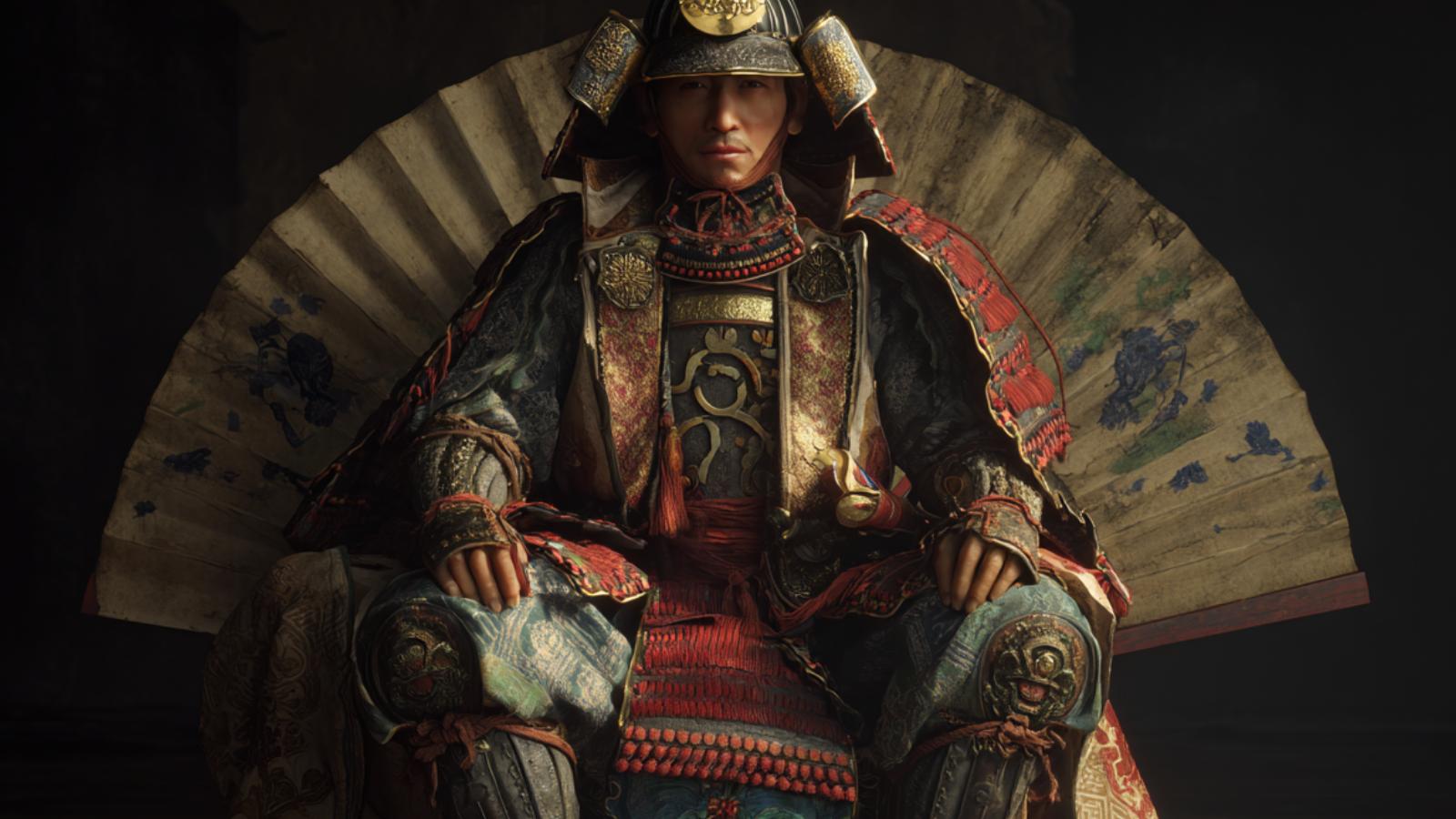
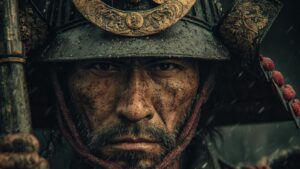
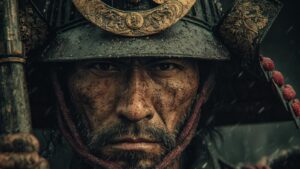
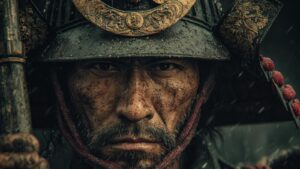
“武士たる者、義を重んじよ。”
— A samurai must value righteousness.

| Lead 統率 |
Valor 武勇 |
Intel 知略 |
Pol 政治 |
|---|---|---|---|
| 75 | 70 | 80 | 65 |
| Name (JP) | 肝付 兼続 |
|---|---|
| Title | Daimyo |
| Clan / Force | Satsuma Domain |
| Era | 1540 – 1610 |
| Origin | Kagoshima |
| Key Battles | |
| Arts | Calligraphy |
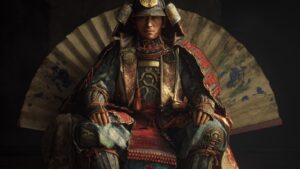
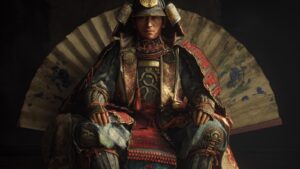
About Kimotsuki Kanetsugu
His family was considered a significant local power with a of military leadership in the region.
Kanetsugus was shaped by the constant warfare of the Sengoku period, where he was trained in the art of combat and strategy, preparing him for the challenges ahead.
As he matured, Kanetsugu became a skilled commander under the auspices of the Shimazu clan, leaders of the Satsuma region.
He quickly gained recognition for his tactical acumen during various conflicts, including the invasions of Kyushu.
His prowess during the of the late 16th century solidified his reputation, and he was eventually granted the of Daimyo, becoming one of the prominent leaders in the area.
Kanetsugu participated in numerous significant throughout his career, showcasing his combat strategies and leadership abilities.
The most notable was his involvement in the Battle of Kizaki in 1586, where he demonstrated exceptional valor and intelligence, leading his men with courage against formidable foes.
His reputation as a capable general grew, and he became a trusted leader among his samurai peers, navigating complex military and political landscapes with skill.
After his death in 1610, Kimotsuki Kanetsugu left behind a as a wise and valiant leader.
His commitment to loyalty and righteousness earned him respect from both allies and adversaries, exemplifying the samurai spirit.
Today, he is remembered not only for his military achievements but also as a cultural figure in the Satsuma region, symbolizing the values of honor and duty in samurai tradition.
comment