
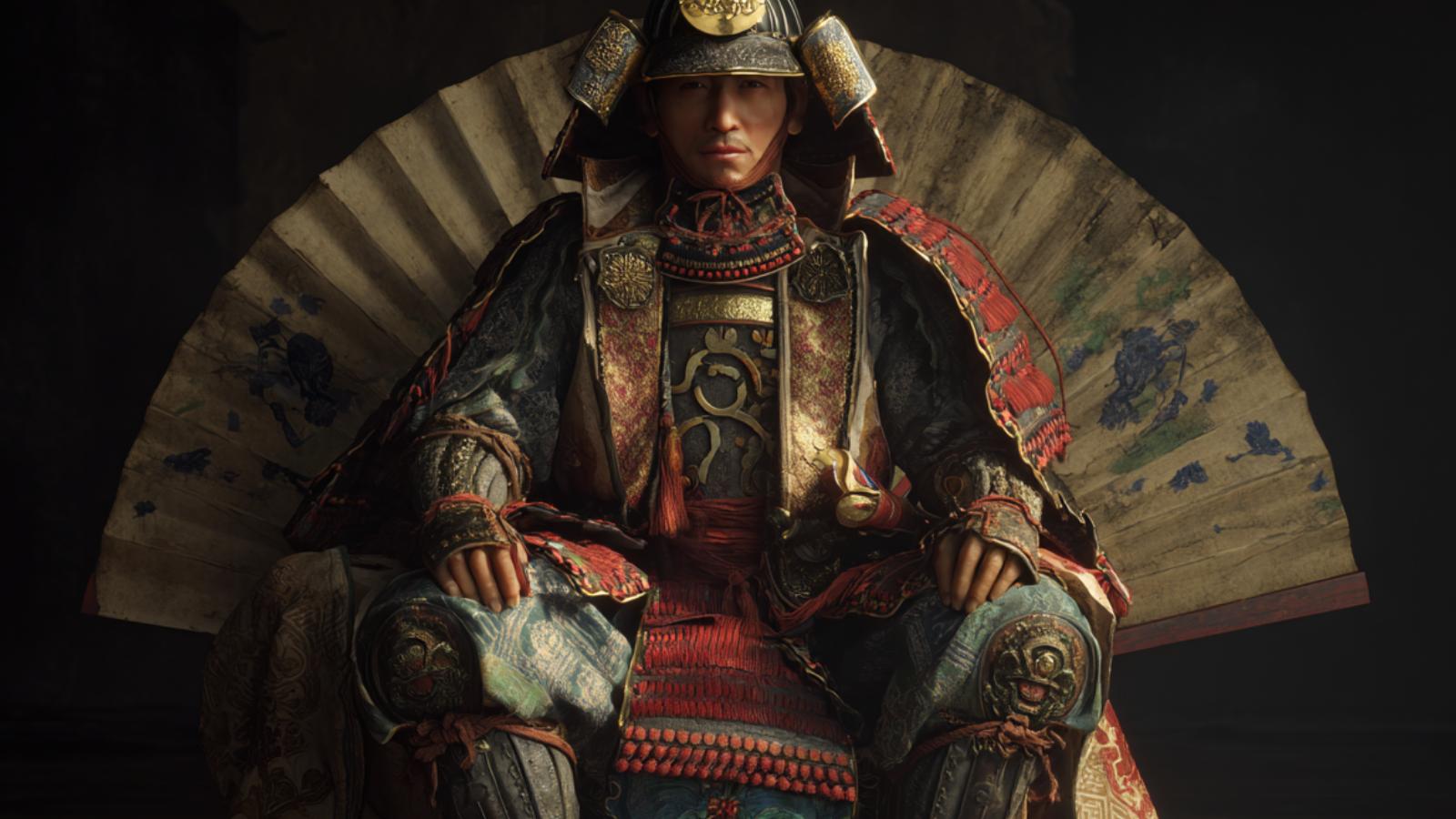
“わが道を行く。”
— I walk my own path.

| Lead 統率 |
Valor 武勇 |
Intel 知略 |
Pol 政治 |
|---|---|---|---|
| 77 | 75 | 80 | 72 |
| Name (JP) | 吉川 元春 |
|---|---|
| Title | Daimyo |
| Clan / Force | Miyoshi Clan |
| Era | 1536 – 1587 |
| Origin | Aki |
| Key Battles | |
| Arts | Ikebana |
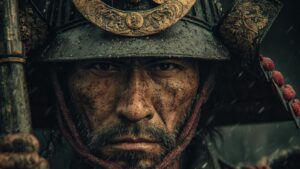
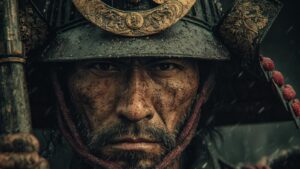
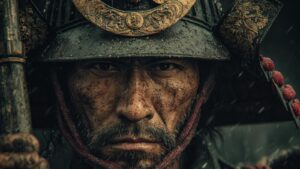
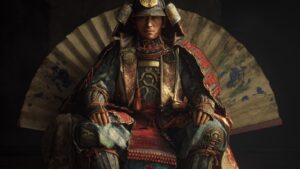
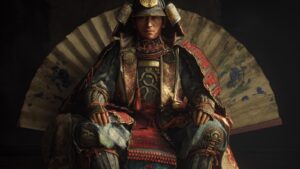
About Kikkawa Motoharu
Raised in a tumultuous period, Motoharu was immersed in the dynamics of feudal Japan early on.
He displayed a natural aptitude for leadership, which his father nurtured through rigorous training and education.
Motoharus ascent in the Mōri clan came as he proved his worth during various military campaigns.
Initially serving under Mōri Motonari, he gained esteem for his tactical prowess in, further establishing solid connections with other high-ranking retainers.
His loyalty and effective management helped stabilize Mōri territories, expanding their power in western Japan.
Kikkawas involvement in significant, such as the Battle of Itsukushima in 1555, highlighted his capabilities as a military strategist.
He played a crucial role in executing tactics that led to decisive victories against rival clans.
His prowess on the battlefield garnered him respect among peers and adversaries alike, rendering him one of the capable generals of his time.
Kikkawa Motoharus extends beyond his military achievements.
He is remembered for his contributions to the Mōri clans governance and culture, promoting arts and education among his retainers.
His quote, わが道を行く。 (I walk my own path), encapsulates his independent spirit and the impact he had on the samurai ethos.
Even after his death in 1587, his strategic approaches continue to be studied, affirming his place in the annals of Japanese history.
comment