
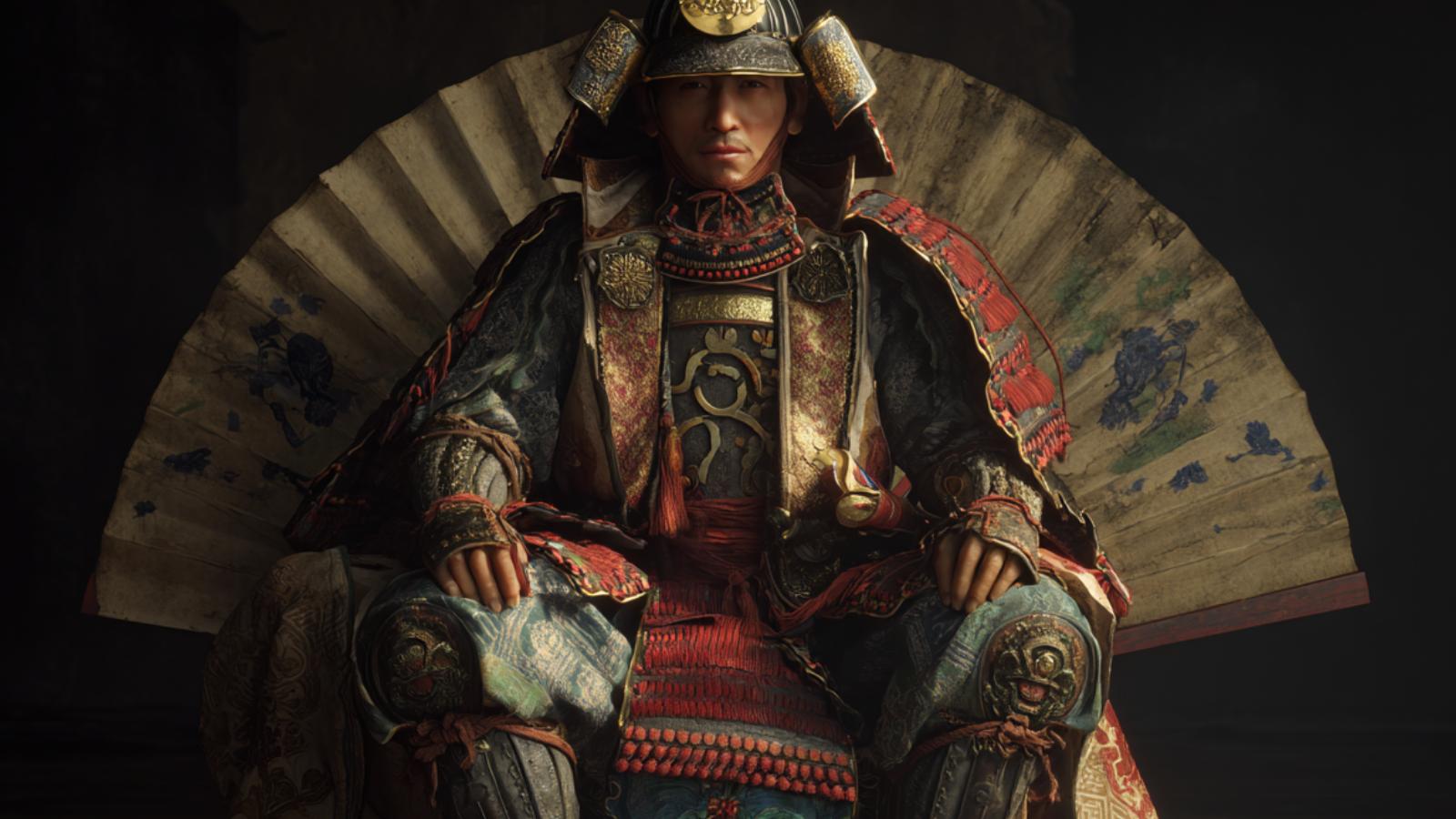
“静けさはすべての智慧の源である。”
— Calmness is the source of all wisdom.

| Lead 統率 |
Valor 武勇 |
Intel 知略 |
Pol 政治 |
|---|---|---|---|
| 75 | 70 | 78 | 65 |
| Name (JP) | 見性院 |
|---|---|
| Title | Daimyo |
| Clan / Force | Unknown |
| Era | 1546 – 1598 |
| Origin | Mutsu |
| Key Battles | |
| Arts | Zen Buddhism |
About Kensho-in
His was steeped in the traditions and struggles of the samurai class, which shaped his character and ambitions.
As a young warrior, he trained in various combat techniques and was also influenced by the teachings of Zen Buddhism, which imparted a sense of calm and strategic thinking.
He rose to prominence during the tumultuous Sengoku period, a time characterized by civil war and territorial disputes.
Kensho-in became known for his capable leadership and formed alliances that strengthened his standing among local lords.
His tactical acumen in battle was notable, allowing him to outmaneuver larger forces by employing guerrilla strategies and exploiting the terrain to his advantage.
Kensho-in participated in several key as he sought to expand his territory.
His most notable engagement was during the campaign against the Hōjō clan, where his strategic foresight played a crucial role in ensuring victory.
Despite facing strong opposition, his ability to inspire and lead his troops was evident, earning him respect on the battlefield.
His went beyond mere military achievements; Kensho-in became known as a patron of the arts, especially Zen Buddhist culture, where he contributed to the tranquility and spiritual depth of the samurais way of life.
He passed away in 1598, leaving behind a reputation as a capable and intelligent leader, with many samurai looking up to him as a model for both conduct and strategy in their own lives.









comment