
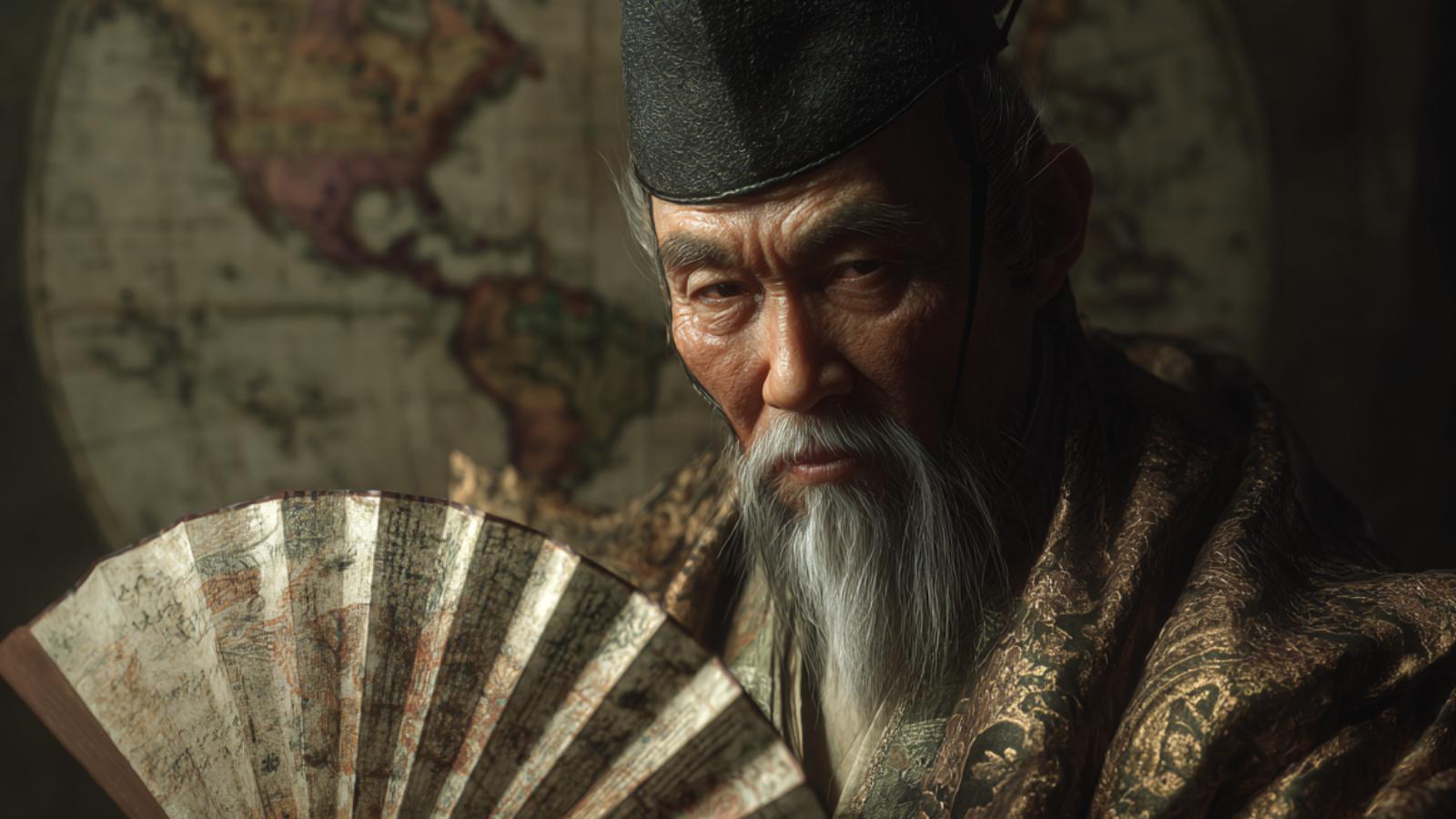
“強き信念があれば、道は開ける。”
— With a strong belief, the path will open.

| Lead 統率 |
Valor 武勇 |
Intel 知略 |
Pol 政治 |
|---|---|---|---|
| 85 | 70 | 80 | 75 |
| Name (JP) | 顕如 (光佐) |
|---|---|
| Title | High Priest |
| Clan / Force | Unknown |
| Era | 1535 – 1592 |
| Origin | Kyoto |
| Key Battles | |
| Arts | Zazen |
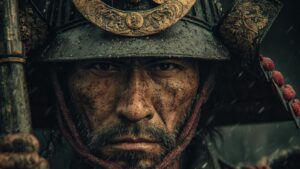
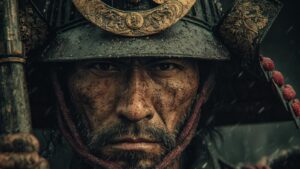
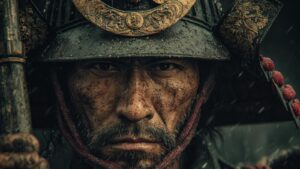
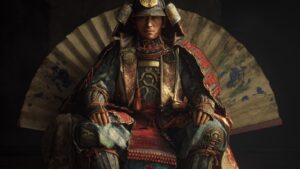
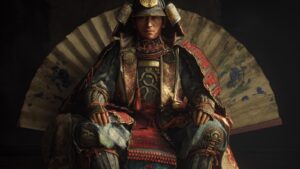
About Kennyo (Kosa)
Raised in a religious environment, he was deeply influenced by the teachings of his father and the communal beliefs of the Ikko-ikki movement.
From an early age, Kennyo demonstrated a keen intellect and a desire to protect his peoples rights against oppressive samurai.
As Kennyo grew, so did his reputation as a leader among the Ikko-ikki, a sect that sought not only spiritual salvation but also protection from the samurai lords.
In 1554, after his fathers death, he ascended to the role of the chief priest of the Hongan-ji, where he galvanized his followers against external threats, particularly the Oda clan.
His leadership during the Siege of the Hongan-ji from 1570-1571 showcased his strategic acumen, as he successfully defended the temple against vast forces.
Kennyos numerous confrontations with the samurai forces led to a series of that defined his .
Notably, he utilized guerrilla tactics and the loyalty of his followers to hold off larger armies.
His efforts at Ichijodani significantly marked the resistance of the Ikko-ikki, where he maneuvered through both military and diplomatic channels to maintain his power.
Though he faced setbacks, including betrayals and loss of strongholds, his reputation as a capable leader earned him both loyal allies and fierce enemies.
Kennyos influence extended beyond mere ; he established a complex network of alliances and religious support that would impact the sociopolitical landscape of Japan.
After his death in 1592, the of his unyielding spirit and the Ikko-ikki continued to resonate throughout Japanese history.
His life serves as a testament to the intertwining of spirituality and martial resilience during a pivotal era in Japans history.
comment