
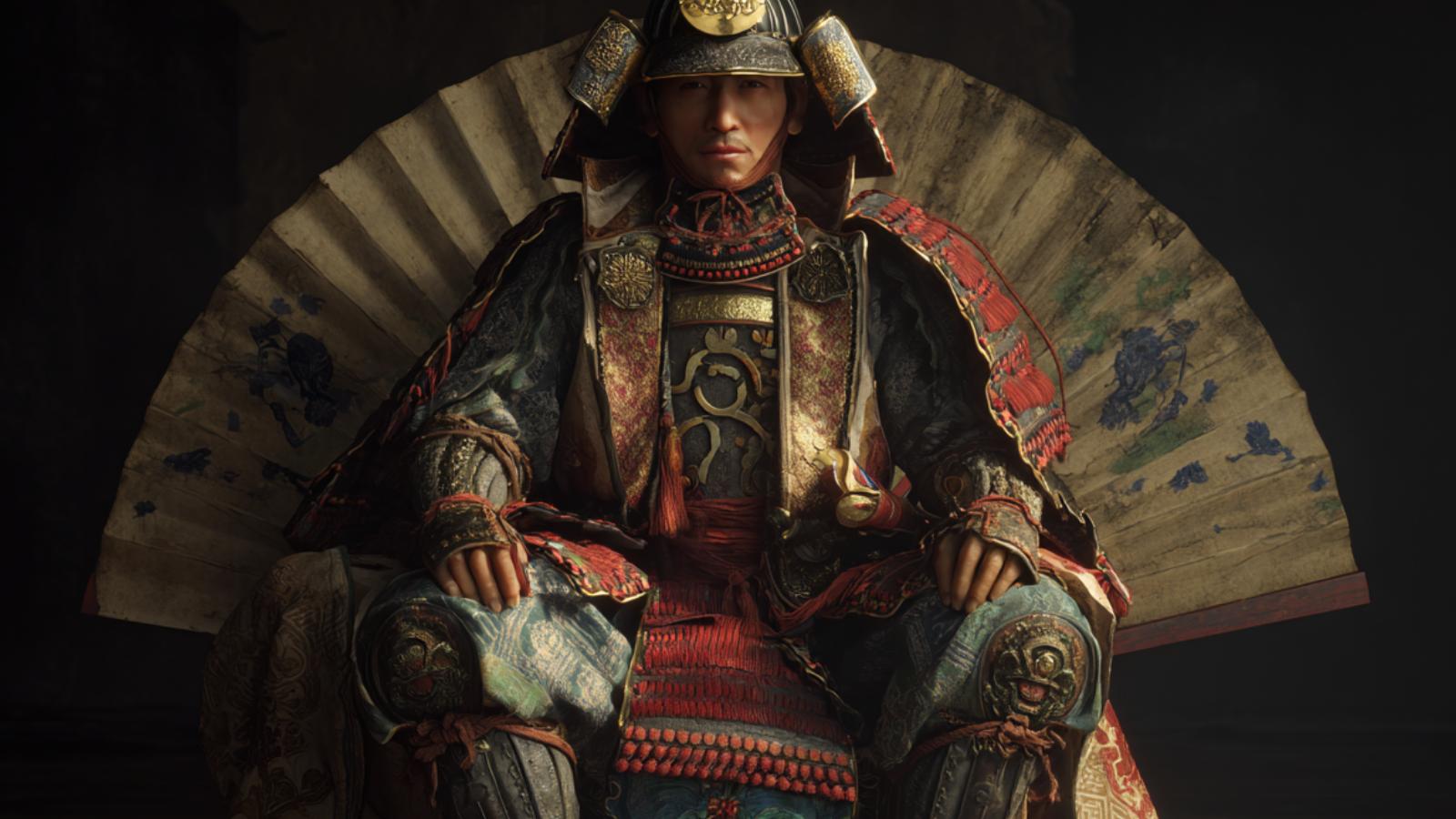
“誓いを立てる勇者たれ。”
— Be a brave warrior who makes an oath.

| Lead 統率 |
Valor 武勇 |
Intel 知略 |
Pol 政治 |
|---|---|---|---|
| 75 | 70 | 65 | 50 |
| Name (JP) | 河尻 秀隆 |
|---|---|
| Title | Daimyo |
| Clan / Force | Unknown |
| Era | 1520 – 1581 |
| Origin | Satsuma |
| Key Battles | |
| Arts | Noh Theater |
About Kawajiri Hidetaka
Emerging from a lineage of Shugo, he was immersed in the martial culture from a young age.
His upbringing in a tumultuous period of Japanese history cultivated his ambitions and prepared him for a life of military service.
As he matured, Hidetaka gained recognition for his capable command and strategic ability, primarily aligning himself with the prominent clans of the era.
His leadership during various skirmishes and allowed him to through the ranks, ultimately becoming a Daimyo.
His reputation for bravery and tactical intelligence, while not reaching the legendary stature of contemporaries such as Oda Nobunaga, earned him respect among his peers.
Throughout his life, Hidetaka participated in numerous that shaped the political landscape of Japan.
He showed efficiency in the battlefield, commanding his troops with a steady hand, although his decisions were sometimes hampered by the political complexities of the Sengoku period.
His valor and willingness to fight alongside his men in battle demonstrated his commitment to the samurai code, even if he was not always victorious.
Hidetaka passed away in 1581, leaving behind a marked by his influence in Satsuma.
While not as widely recognized as some other samurai of his time, his contributions to the regions military endeavors and the flourishing of local culture, including Noh Theater, reflect the complexities of his character and leadership.
Today, he is remembered as a capable general whose life encapsulated the rich tapestry of Sengoku era Japan.









comment