
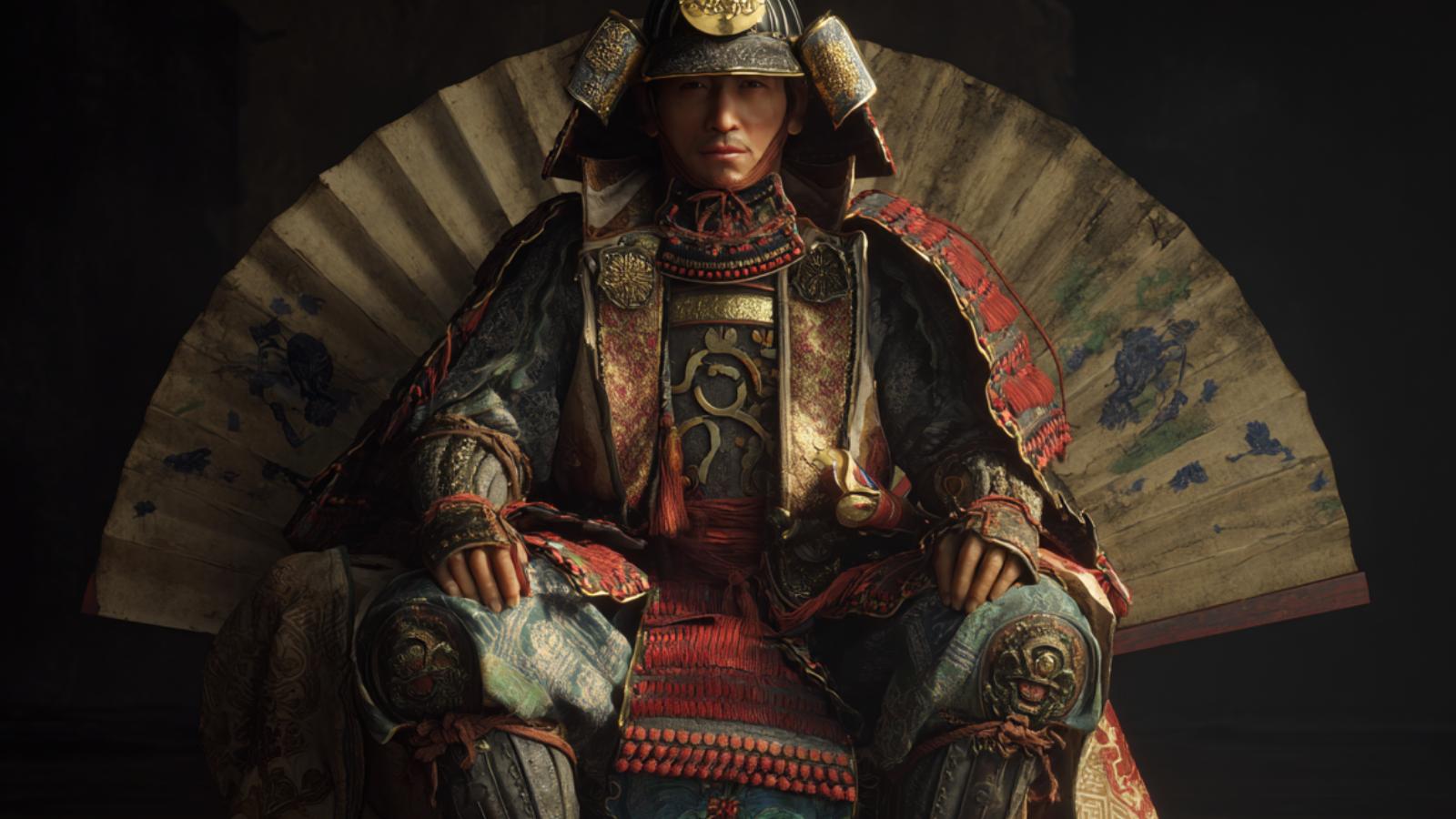
“命あらばこそでも戦う”
— If life permits, I will fight.

| Lead 統率 |
Valor 武勇 |
Intel 知略 |
Pol 政治 |
|---|---|---|---|
| 82 | 78 | 70 | 65 |
| Name (JP) | 加藤 嘉明 |
|---|---|
| Title | Daimyo |
| Clan / Force | Tokugawa Shogunate |
| Era | 1563 – 1639 |
| Origin | Kōzuke |
| Key Battles | |
| Arts | Ikebana |
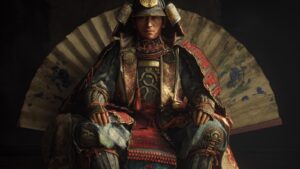
About Kato Yoshiaki
From a young age, he was trained in the arts of warfare and governance, inheriting the responsibilities and traditions of the samurai class.
His formative years were spent under the tutelage of experienced warriors who instilled in him the values of honor and loyalty.
Yoshiakis to prominence began in his early twenties when he served under various daimyos, proving himself in numerous skirmishes and throughout Japan.
His strategic mind and bravery marked him as a capable general, earning him the respect and admiration of his peers and superiors.
Eventually, he became a daimyo, commanding a significant territory and leading his forces into battle during the turbulence of the late Sengoku period.
Throughout his military career, Kato Yoshiaki participated in several key, including skirmishes against the forces of the Takeda clan and later engagements during the unification campaigns of Toyotomi Hideyoshi.
His combat skills and tactical acumen contributed greatly to the success of his lords, and he was often recognized for his valor on the battlefield.
However, he was also known for his pragmatic approach to warfare, often seeking to avoid unnecessary bloodshed when possible.
Kato Yoshiaki left a lasting as a dignified leader who valued both military prowess and the arts.
He was known to patronize cultural pursuits, notably ikebana, as a means of fostering peace among his people.
His contributions to the region he governed helped stabilize and enrich his province, and he is remembered as a skillful and benevolent ruler who navigated the complexities of the time with grace and effectiveness.




comment