
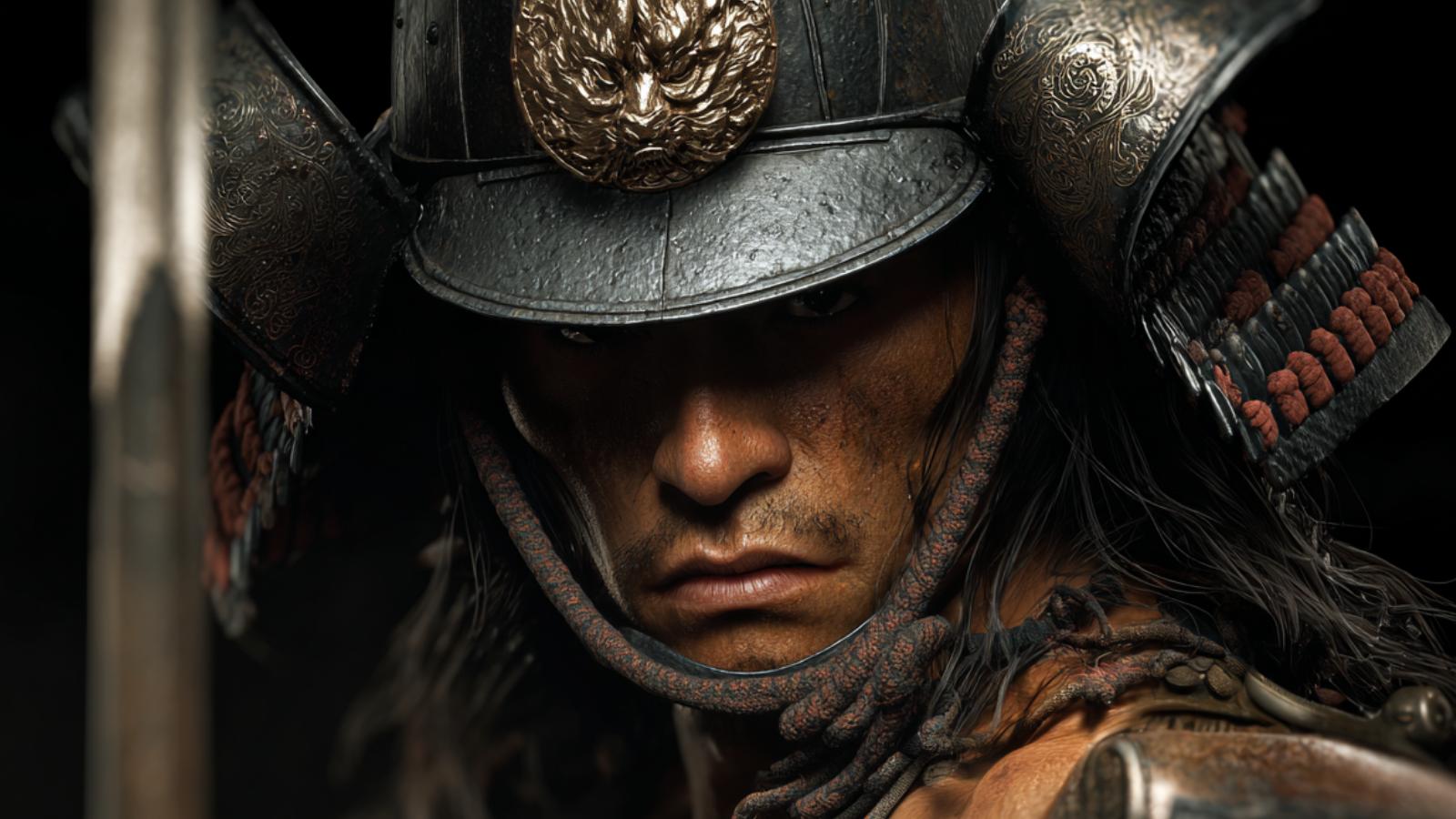
“後の世のため、信仰を貫くべし”
— One must maintain their faith for the sake of the afterlife.

| Lead 統率 |
Valor 武勇 |
Intel 知略 |
Pol 政治 |
|---|---|---|---|
| 85 | 80 | 75 | 70 |
| Name (JP) | 加藤 清正 |
|---|---|
| Title | Daimyo |
| Clan / Force | Kato Clan |
| Era | 1562 – 1611 |
| Origin | Higo |
| Key Battles | |
| Arts | Noh Theatre |
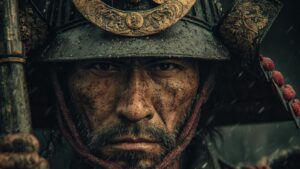
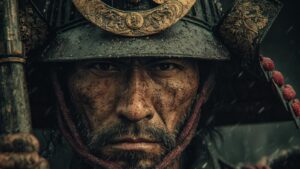
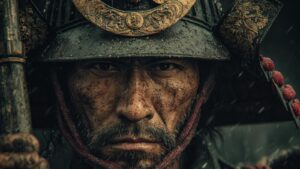
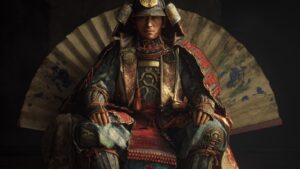
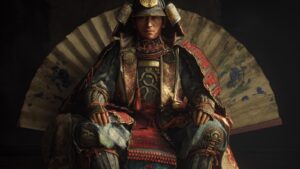
About Kato Kiyomasa
He initially served under the warlord Toyotomi Hideyoshi, where he developed his skills in administration and military strategy.
His was marked by his dedication to the art of war and his familys samurai .
Kiyomasas to prominence came during the late 1580s, particularly noted for his contributions in the Kyushu campaign against the Shimazu clan.
His tactical ability and valor in battle earned him the respect of his peers and solidified his status as a trusted leader under Hideyoshi.
A seasoned general, Kato Kiyomasa participated in numerous, including the sieges of Fukuyama and Kumamoto.
He was known for his fierce fighting style, earning praise for his bravery and skill on the battlefield.
His leadership and combat proficiency became legendary as he led troops with unwavering resolve, contributing to Hideyoshis unification efforts.
Kato Kiyomasas is marked by his effective governance in Kyushu, where he promoted agriculture, built infrastructure, and supported cultural endeavors, including Noh Theatre.
After Hideyoshis death, he maintained his influence during the turbulent times of the early Edo period, leaving behind a reputation as a formidable warrior and a wise ruler.
comment