
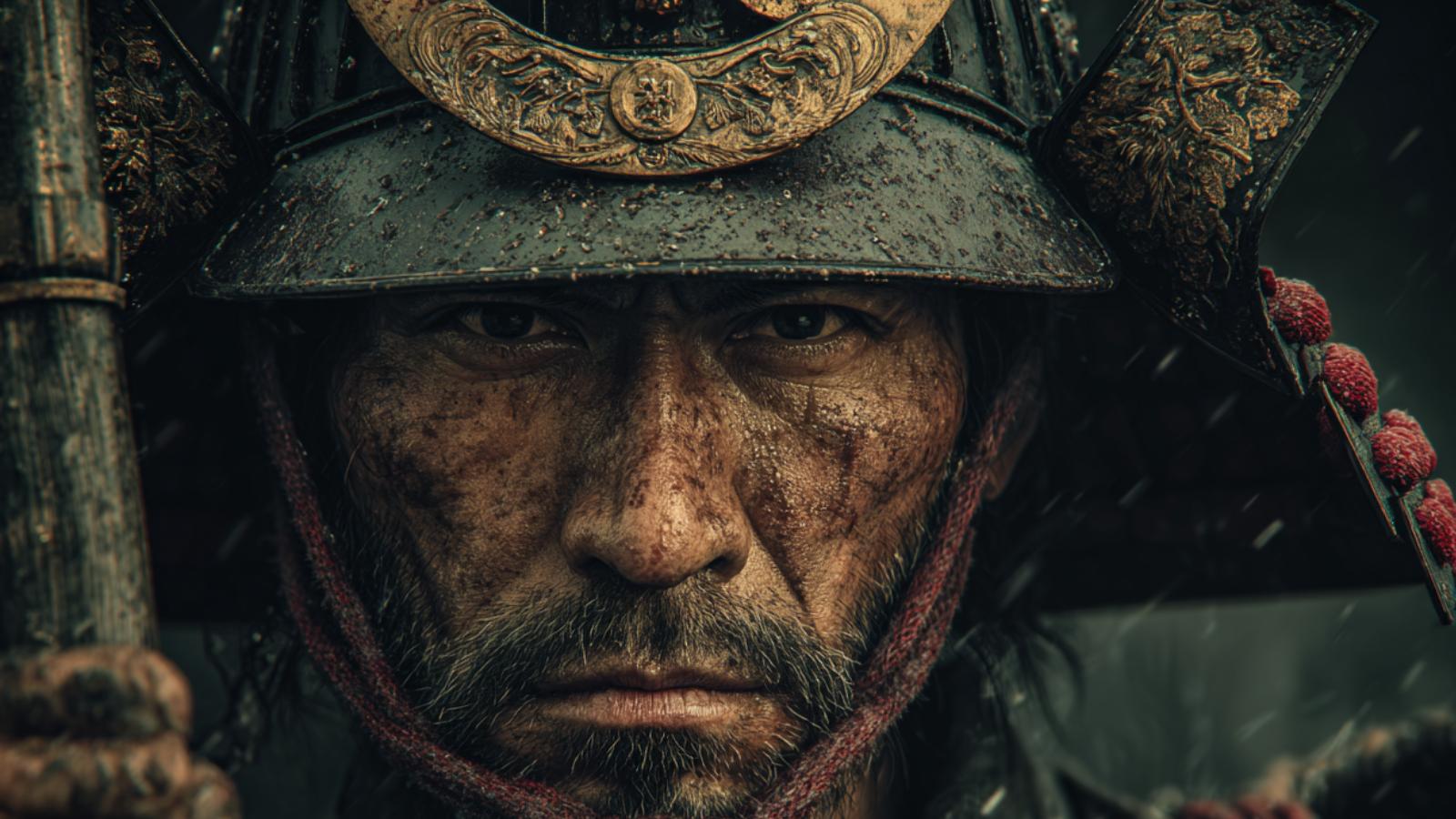
“武士道は死を恐れず、名誉を重んじるものだ。”
— The way of the samurai fears not death, but values honor.

| Lead 統率 |
Valor 武勇 |
Intel 知略 |
Pol 政治 |
|---|---|---|---|
| 70 | 75 | 65 | 60 |
| Name (JP) | 片岡 源五右衛門 |
|---|---|
| Title | Chief Retainer |
| Clan / Force | Unknown |
| Era | 1580 – 1622 |
| Origin | Tōtōmi |
| Key Battles | |
| Arts | Kendo |
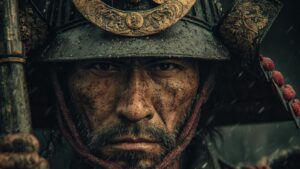
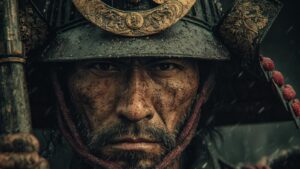
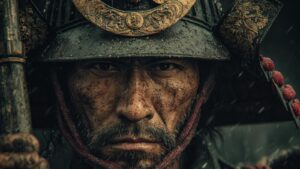
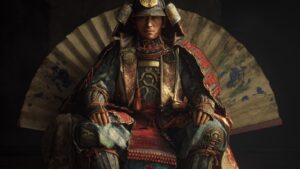
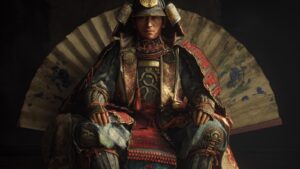
About Kataoka Gengoemon
Growing up during the tumultuous Sengoku period, he was trained in martial arts as well as the strategic arts of war from a young age.
His formative years were marked by an unwavering commitment to the samurai code, which laid the foundation for his future exploits.
Gengoemon quickly rose through the ranks due to his outstanding performances in battle and his loyalty to his lord.
He became known as a reliable and courageous figure among his peers, often leading small detachments into skirmishes that would define his early career.
His strategic mind allowed him to outmaneuver opponents in various conflicts, gaining him influence and respect in the war-torn landscape of feudal Japan.
Throughout his career, Gengoemon faced numerous during the unification of Japan.
His commendation came during the conflicts that characterized the power struggles between various daimyos.
He fought valiantly at the Battle of Sekigahara, where his bravery in combat led to significant victories, solidifying his reputation as a capable general.
Gengoemon’s combination of tactical intelligence and personal valor made him a valuable asset in several crucial engagements, often turning the tides in favor of his allies.
Kataoka Gengoemon is remembered as a prominent figure in the history of the Sengoku period, eming the spirit of the samurai—honor, loyalty, and courage.
After his death in 1622, his contributions to the regions he served continued to be celebrated by his descendants, who followed in his martial and diplomatic footsteps, thus preserving his for future generations.
comment