
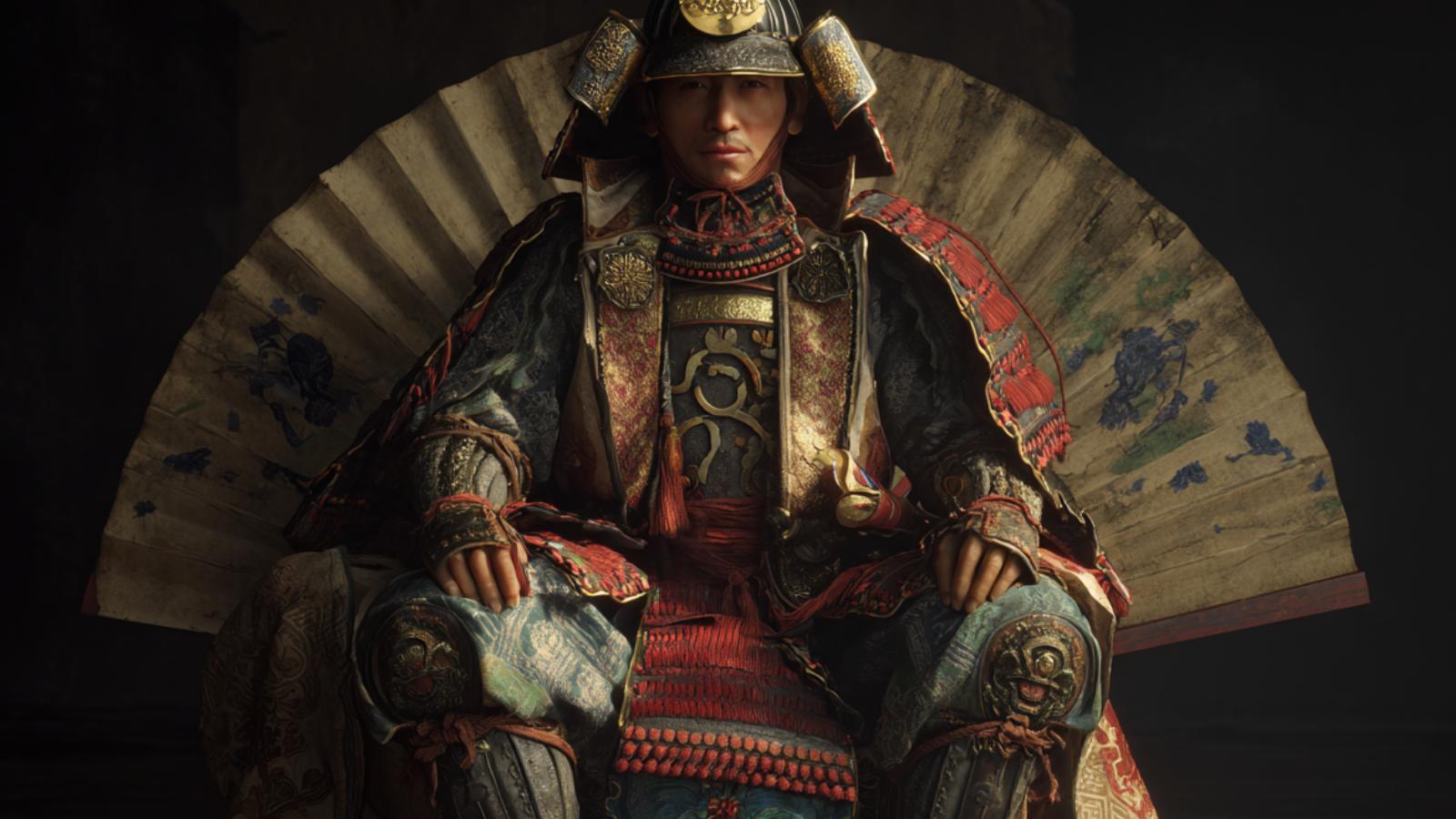
“武士の誇りは、名誉と忠義にあります。”
— The pride of a warrior lies in honor and loyalty.

| Lead 統率 |
Valor 武勇 |
Intel 知略 |
Pol 政治 |
|---|---|---|---|
| 75 | 70 | 80 | 65 |
| Name (JP) | 片桐 且元 |
|---|---|
| Title | Daimyo |
| Clan / Force | Toyotomi Army |
| Era | 1543 – 1597 |
| Origin | Mutsu |
| Key Battles | |
| Arts | Noh Theater |
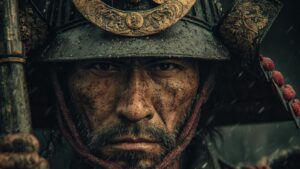
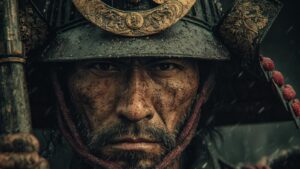
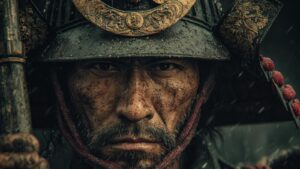
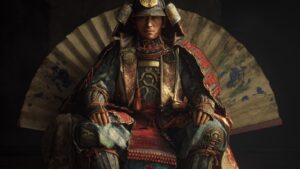
About Katagiri Katsumoto
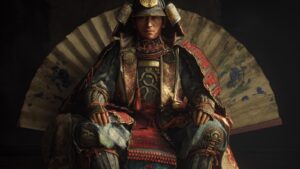
He hailed from a samurai family with a proud heritage.
As a young boy, Katsumoto was trained in martial arts and strategy, emphasizing the importance of loyalty and honor that were central to the samurai code.
His formative years were marked by the constant turmoil of the Sengoku period, which shaped his future as a capable leader and warrior.
Katsumotos to prominence began when he served under the powerful daimyo Date Masamune.
His strategic skills were quickly recognized, and he was entrusted with significant responsibilities.
He played a crucial role in many notable campaigns, showcasing his ability to command troops effectively.
His keen intellect allowed him to devise tactics that would often turn the tide in favor of his lords forces, establishing him as a respected figure among his peers.
Throughout his career, Katsumoto fought bravely in several key during the late 16th century.
His most notable engagements include the of Kawanakajima and Sekigahara.
His prowess on the battlefield was complemented by his capacity for strategic planning, ensuring that he not only fought well but also thought critically about the war efforts.
His valor and leadership in these conflicts earned him a reputation as a capable general, respected by his allies and feared by his enemies.
Katagiri Katsumoto left behind a of honor and loyalty that resonates in modern Japanese culture.
He is remembered not only for his military accomplishments but also for his commitment to the principles of bushido.
His philosophy regarding honor in combat continues to inspire generations.
Katsumotos life serves as a reminder of the complexities of loyalty and the profound impact of samurai culture on Japanese history.
comment